
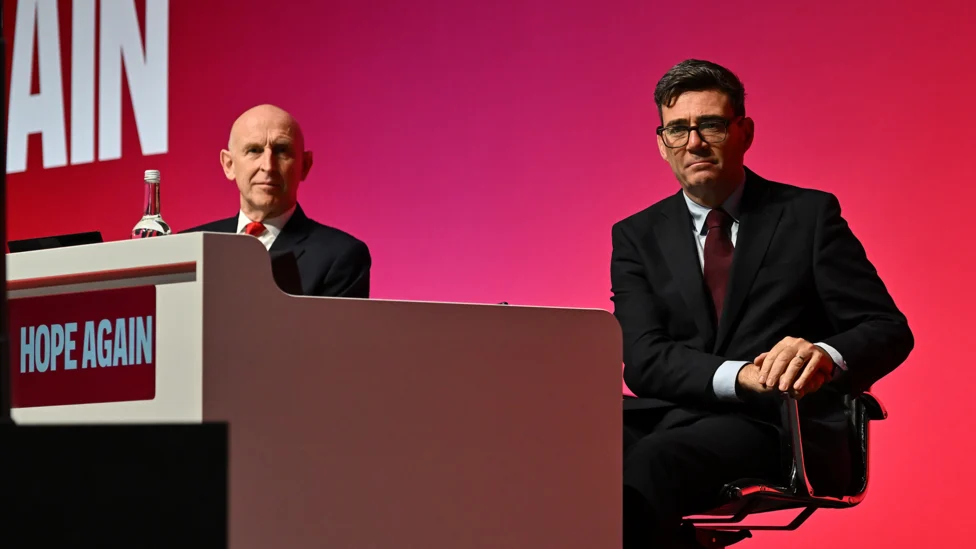
A recent interview by the Prime Minister has fueled speculation that the government may finally move to dismantle the state pension triple lock. The policy, which has remained politically untouchable for 16 years, guarantees that state pensions rise each April by at least 2.5%, or in line with the highest of inflation or earnings. The current administration is now reviewing this commitment as part of a broader strategy to overhaul social care. The prime minister’s Sunday morning interview set hares running when it comes to the future of a policy once seen as politically untouchable. The timing of the PM’s new social care plan sparked suggestions the government could be about to signal the death knell to the state pension triple lock after 16 years.
Andy Burnham has confirmed plans to introduce significant reforms to fund a new national care service, intending to include these measures in Labour’s upcoming general election manifesto. By seeking a mandate for these changes in the next Parliament, the government hopes to address the growing costs of social support. The triple lock is currently costing the treasury £15.5bn annually, a figure that is triple the original estimate projected for 2030, driven largely by volatile fluctuations in price and wage data.
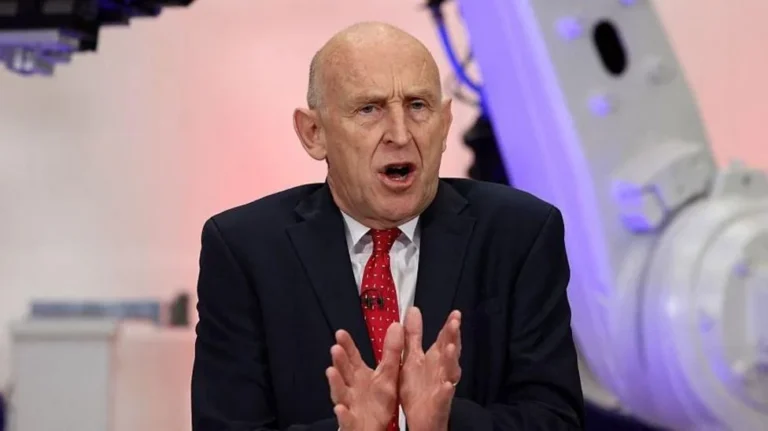
When questioned on the future of the pension policy, Chancellor John Healey noted that the government is committed to reducing overall welfare expenditure. This non-denial aligns with expert advice suggesting that ending or modifying the triple lock could offer a strategic economic advantage for the UK. Reverting to a standard earnings-based link could result in long-term savings of tens of billions of pounds, potentially providing the necessary capital to finance a national care system. Put this precise question about changing the triple lock in the next Parliament to Chancellor John Healey, who replied “the PM has said, like I have, that we must bring down welfare costs”, earlier this month.
Economic analysts argue that the UK has often avoided difficult long-term fiscal decisions, making this potential policy pivot a significant test for the government’s approach to the bond markets. While some argue the triple lock is unsustainable in its current form, it remains a contentious political issue. Reform party leaders have already signaled that they intend to use the pension debate as a clear dividing line in the next election. The UK specifically is seen as a place where successive governments have shirked tough long-term decisions.
Supporters of the change, including some former ministers, suggest that reallocating these massive pension savings into an in-kind care service could reshape the public discourse surrounding the policy. However, critics and pension campaigners point out that UK state pensions remain modest by international standards, even with the triple lock in place. The ultimate viability of this proposal depends on the specific design of the new care service and the generosity of any successor policy to the current triple lock.







Comments