
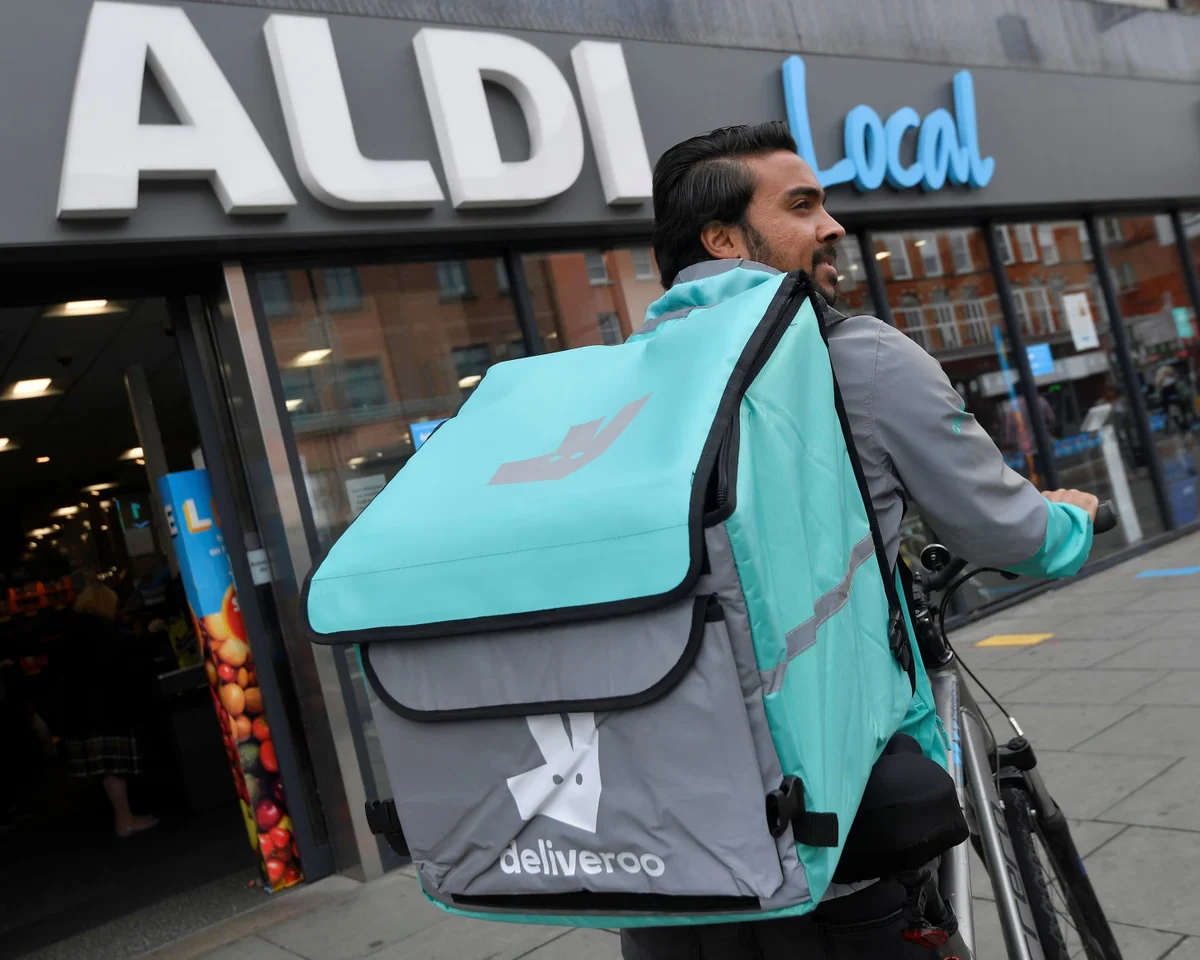
Aldi is preparing a major capital injection into its British operations, announcing plans to invest £900 million and open more than 40 new supermarkets next year. This expansion comes as the German-owned retailer reports record-breaking annual revenue of £19 billion, reflecting a 5% increase compared to the previous year.
Despite this financial success, the company noted that annual profits dipped by £2.6 million to £433 million. Management attributed the decline to a deliberate strategy of cutting prices to support shoppers amid persistent cost inflation. The chain currently operates 1,092 locations across the UK and Ireland and is targeting a long-term footprint of 1,500 stores. It opened 40 stores but profits slipped by £2.6m to £433m as it cut prices despite cost inflation. In the longer term it is aiming for 1,500 outlets in the UK and Ireland.
Giles Hurley, head of Aldi’s UK and Irish division, stated that the business maintains “increasing confidence around growing our business.” He argued that the company is effectively the third-largest UK supermarket when measured by customer numbers and item volume. However, official market data from Worldpanel currently ranks Asda as the third-largest chain by sales value, with a 10.6% share that keeps it less than one percentage point ahead of Aldi.
The growth strategy faces some hurdles, specifically the complexities of the planning process and site acquisition. Hurley noted that while the company could expand faster, the difficulty of securing appropriate locations often acts as a constraint. For the current year, Aldi expects to open 42 sites, with 30 launches scheduled in the next 10 weeks alone. “We could probably grow faster but we need to find the right sites in the right locations and have to go through a planning process which can, at times, be challenging,” Hurley said.
Addressing the broader economic climate, Hurley observed that consumers remain under financial pressure. He claimed that Aldi is the only major grocer currently reducing prices, while criticizing the loyalty-based discount models used by competitors like Tesco and Sainsbury’s. He dismissed those schemes as a “roll of the dice” for consumers, arguing that the true value of such offers remains questionable.
The retailer is also focusing on supply chain stability, committing to source at least 50% of its goods via long-term agreements by next year. This initiative aims to reduce reliance on food imports and provide manufacturers with the predictability needed for capital investment. In 2025, Aldi spent £14 billion with British suppliers, which accounted for roughly 80% of its total sales. Stepping up investment by about £100m to £900m, it plans a similar number next year.
Looking toward the future, Hurley emphasized the necessity of treating the national food system as a strategic priority, particularly as climate volatility impacts crop yields. While he noted that there are currently no systemic food shortages, extreme weather conditions are creating significant challenges for producers. The company continues to monitor food inflation, which reached 2.8% in August, though assessing the full impact of environmental factors on domestic agriculture remains difficult. He urged the government to treat the UK’s food system as “a national strategic priority” because “relying on imports leaves us exposed”.
To bolster its market position, Aldi is also exploring digital avenues, including a partnership with Deliveroo to manage grocery deliveries. While the company does not disclose performance metrics for stores open more than a year, it continues to focus on maintaining its status as the lowest-cost option for shoppers.


Comments