
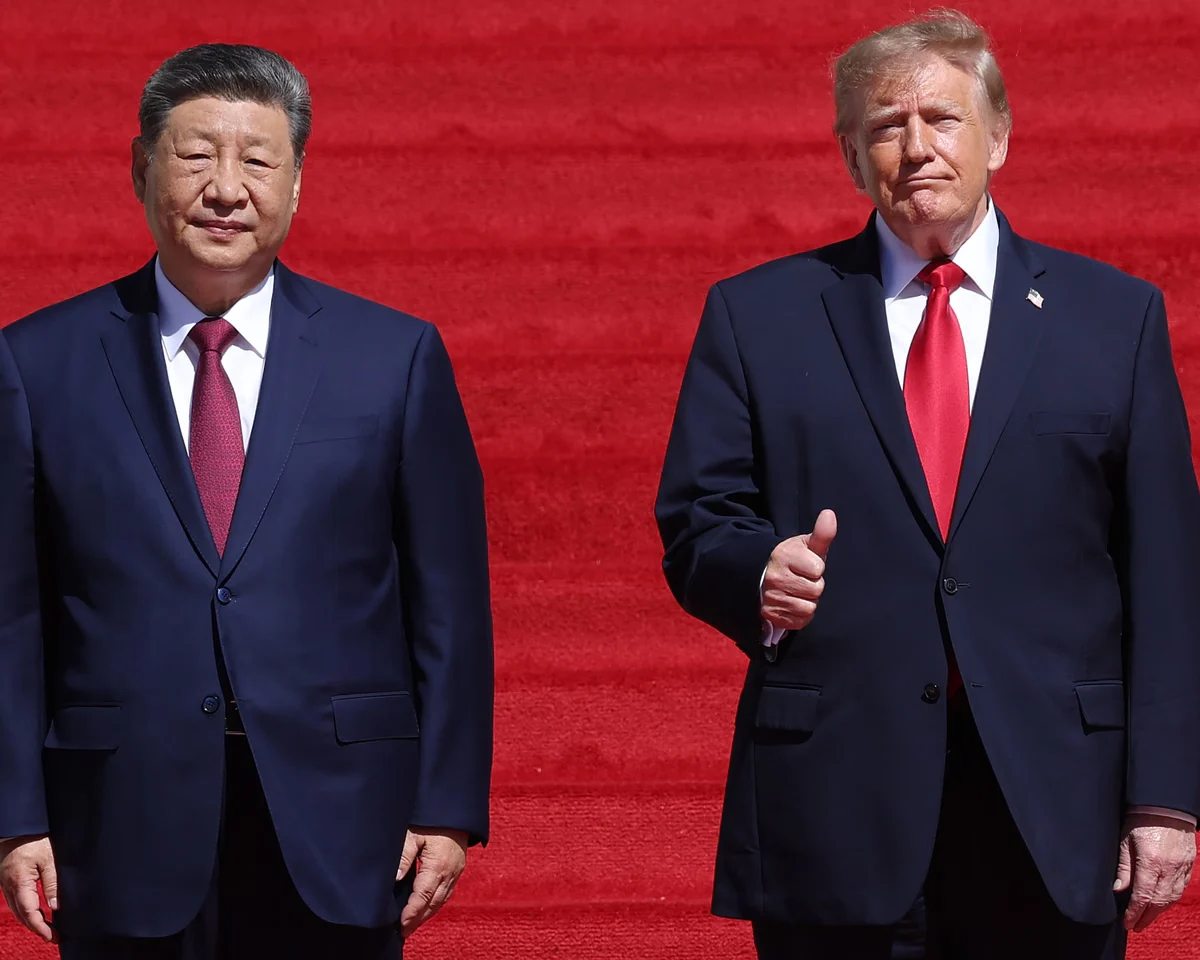
In a move aimed at de-escalating their ongoing trade conflict, the United States and China have announced plans to reduce tariffs on approximately $30 billion worth of goods each. The reciprocal lists encompass a diverse array of items, ranging from consumer electronics and agricultural products to artificial flowers and live animals, including dolphins, horses, and donkeys.
The US initiative targets 77 categories of Chinese-made products, including everyday household items such as toasters, bed linen, billiard balls, garden umbrellas, and fish hooks. Meanwhile, Beijing’s list is significantly broader in scope, covering 1,619 types of American products. This selection features various food items like lobster, butter, offal, and foie gras, as well as industrial and scientific goods, including coal, rabbit hair, and MRI systems.
Han Lin, China country director at The Asia Group, noted that the inclusion of various animals in the list highlights the granular nature of tariff codes rather than suggesting a shift in exotic trade policy. He described the current state of affairs as a form of managed stabilization, explaining that both governments are identifying non-sensitive sectors where continued cooperation is viable.
This development follows a recent summit in Washington between President Xi Jinping and Donald Trump, which focused on stabilizing the volatile relationship between the two nations. Despite the progress, the meeting only secured a two-month extension to an existing trade truce that was first established in Busan, South Korea, last year.
Experts remain cautious about the long-term implications. Zhu Tian, vice-president at the China Europe International Business School in Shanghai, characterized the tariff reductions as a positive step but clarified that they do not constitute a major breakthrough. He pointed out that these cuts represent a relatively small portion of total trade and that tariffs on more critical goods remain in effect.
Sensitive industries, specifically electric vehicles, batteries, and semiconductors, have been excluded from the current $30 billion tariff relief package. Additionally, US-grown whole soya beans remain subject to a 10% additional tariff in China, as they were not included in Beijing’s latest tally. US whole soya beans imports – which became a Chinese target during 2025’s trade war – are not on Beijing’s tally, Reuters news agency noted, meaning they still face an additional tariff of 10%.
According to state media, the Chinese commerce ministry stated that more than 90% of the products on their list would revert to most-favored-nation tariff levels. The agreement was negotiated through the US-China Board of Trade, a body established during Trump’s visit to Beijing this past May. While the reductions are significant, no official timeline for their implementation has been confirmed by either side. Though major strategic products are not included and no timeline has yet been given for the reductions, the announcements are the latest tack away from the intense trade war between the world’s two largest economies that dominated much of last year. “Still, it is significant that the two sides are moving from simply avoiding further escalation to actually reducing some tariffs,” he added.



Comments