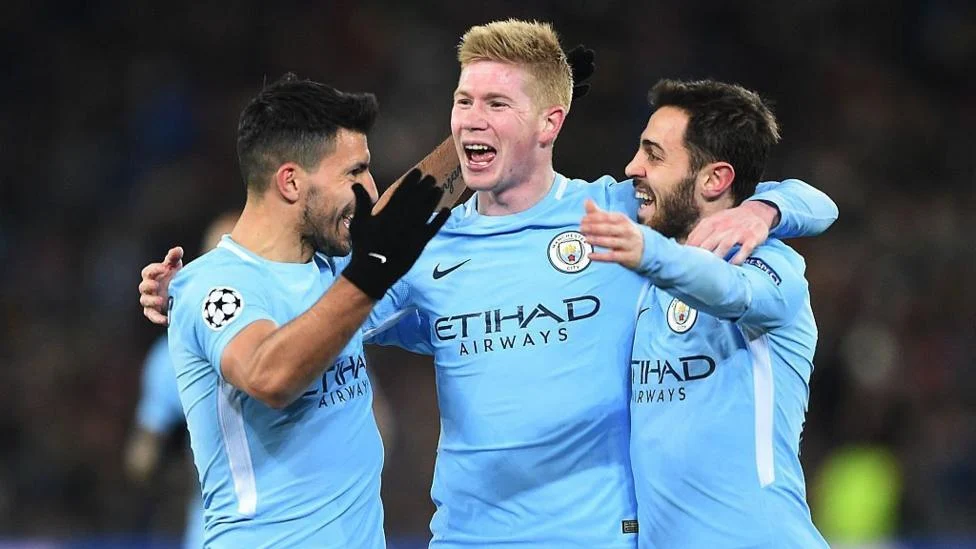
In the wake of findings that declared Manchester City guilty of financial rule-breaking, a recurring argument has surfaced from supporters and media commentators. The suggestion is that the club’s massive spending provided a net benefit to the football ecosystem, specifically enriching other teams that received significant transfer fees during the period in question. Sergio Aguero, Kevin de Bruyne, and Bernardo Silva are among the high-profile players whose former clubs saw major capital inflows from City during these years. It made a lot of other clubs richer.
While the independent commission concluded that the club “inflated” its accounts by more than £900m, it is important to note that this figure does not represent transfer fees alone. Clubs typically balance a complex array of financial obligations, including staff wages, utility costs, insurance, infrastructure maintenance, and various commercial fees. However, the sheer scale of City’s recruitment remains a point of focus; between 2009 and 2018, the club invested roughly £1.2bn in player acquisitions, resulting in a net spend of approximately £900m—a total that exceeded that of any other club during that specific timeframe.
This substantial financial commitment was instrumental in cementing City’s position as the most successful team in English football. The independent commission’s ruling suggests that this level of investment would have been significantly lower had the club adhered to the regulations they were found to have knowingly breached. Ultimately, while the funds undoubtedly moved through the transfer market and supported other clubs, the expenditure was central to City’s own competitive dominance during a decade defined by both on-field success and severe regulatory failure.