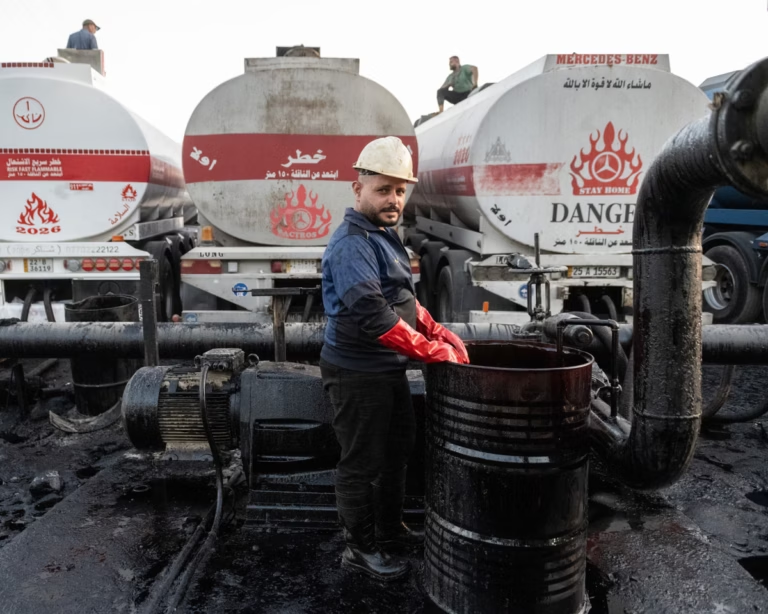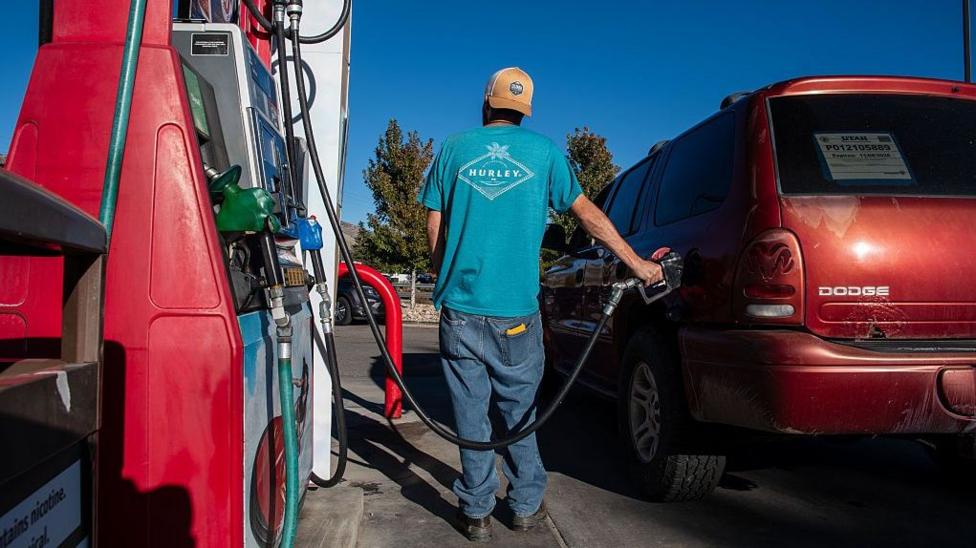
Gasoline and diesel prices have more than doubled since the onset of the US-Iran conflict in February, creating significant economic strain for American transport industries, farmers, and individual motorists. As the midterm elections approach, President Donald Trump has implemented several policy maneuvers aimed at curbing these costs, though analysts remain skeptical about their long-term efficacy. Why does Trump want to reduce gas and diesel prices.
Public concern regarding rising fuel, food, and goods prices has become a central issue for voters. Polling indicates that a majority of Americans disapprove of the administration’s economic management, which is currently weighing heavily on Republican candidates. The core of the price crisis lies in global oil market volatility; while crude oil flow has largely stabilized, prices remain above $100 a barrel. And sustained high oil prices have had a knock-on effect for diesel and gasoline, while the flow of crude oil is nearly back to pre-war levels the price remains above $100 a barrel.
David Ruisard, a pricing manager at Argus, attributes the surge in diesel costs—which have climbed from $3 to $6 per gallon—to a combination of factors: 60% driven by disruptions in the Strait of Hormuz and 40% tied to the Russia-Ukraine conflict. Oxford Economics chief US economist Michael Pearce notes that the compounding burden of elevated interest rates and energy prices is squeezing household budgets and increasing corporate expenses.
In an effort to provide relief, President Trump recently announced a waiver allowing the use of tax-free “red dye” diesel on public highways. While typically reserved for off-road use, this move aims to lower costs for the transport sector. However, Ruisard warns of significant risks: the dye is difficult to purge from fuel tanks, and drivers could face harsh penalties for tax evasion once temporary relief expires. Furthermore, increased demand for this specific supply could deplete existing reserves for legitimate industrial users. It’s extremely hard to clean it out of your tank,” he explained, the problem with that red dye is.
Some strategies have seen more success. Following pressure from the White House, G7 nations committed to releasing 100 million barrels of oil and diesel from stockpiles. Patrick De Haan of GasBuddy suggests this announcement has helped push prices down slightly. Nonetheless, Pearce cautions that this is a temporary fix, as the eventual need to replenish these stocks will likely keep energy prices elevated even if Middle Eastern disruptions subside. A lot of that is likely due to some of the manoeuvres that we’ve seen the Trump administration employ over the last couple of weeks,” he said.
The administration has also encouraged states to cut local gasoline taxes, a move adopted by jurisdictions like Ohio and Georgia. While this impacts the price at the pump, suspending federal gasoline taxes would require congressional cooperation, which remains unlikely before the midterms. In Indiana, a previous state tax cut resulted in an estimated $1 billion in lost revenue. The question is: what is he able to do with just a few weeks to go before election day – and will it work.
Proposals to ban diesel exports, which the president has previously supported, have also faced criticism. Pearce argues such a policy might provide limited relief in specific regions but could backfire by triggering domestic stockpiling, eventually forcing refineries to cut production and driving up prices for other products like gasoline.
Ultimately, analysts suggest the president has exhausted most available administrative levers. De Haan asserts that meaningful, lasting price reductions require resolving the underlying geopolitical tensions in Iran and Ukraine—factors outside the White House’s direct control. Even with a resolution, Ruisard cautions that physical damage to Middle Eastern infrastructure means production recovery would take four to six months. The prevailing consensus is that high fuel prices are likely to persist for the immediate future, regardless of short-term executive actions.