The hit reality series The Traitors is defined by more than just its high-stakes drama and the presence of host Claudia Winkleman. Beneath the surface of its complex gameplay, the program relies heavily on a carefully curated soundtrack to guide the audience’s emotional responses. Music within the castle often serves as a deliberate tool for producers, either emphasizing a sudden betrayal or injecting a sense of humor into a tense negotiation. Watch: How does music on The Traitors manipulate your emotions. Suspicion, intrigue, treachery, Claudia Winkleman. But the shadowiest of the show’s shadowy secrets is its music. Have you ever noticed how the soundtrack manipulates your perception. A cheeky chord injects humour into a kitchen conflab. They sent me a little shot they’d done of the opening with Claudia and the castle.
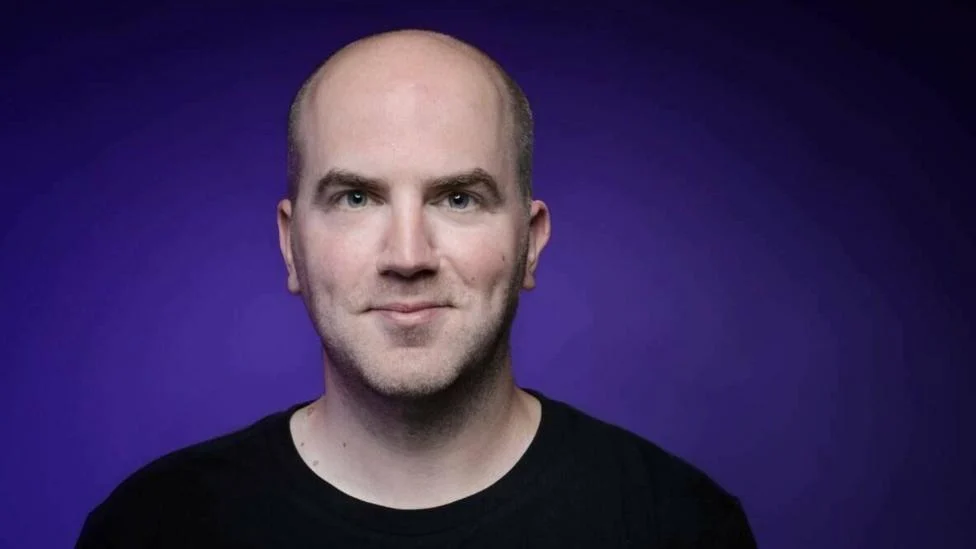
Composer Sam Watts, who created the show’s opening theme and a significant portion of its incidental score, faced a unique challenge during the production phase. Recalling the early stages of development, Watts noted that was initially hesitant about producing a series centered on themes of deception and murder. To balance these heavy elements, he deliberately avoided a purely dark musical aesthetic.
The creative direction shifted once Watts viewed early footage of Winkleman in the castle setting. He realized the show leaned into a campy, high-drama style that allowed for a score that felt simultaneously ominous and playful. Drawing inspiration from his childhood favorite, the over-the-top Thundercats theme, the 44-year-old composer set out to create something instantly recognizable. The 44-year-old wanted something memorable, for the title sequence.
Watts aimed for a melody that viewers could hum, believing it essential for establishing the show’s distinct identity. He designed the theme to be a signal for viewers to pay attention, acting as a rhythmic call to the screen. Describing the process, Watts noted that the composition stands as one of his largest works, requiring a full orchestra supplemented by numerous electronic layers to achieve a hyperreal atmosphere.
This distinct musical identity has traveled far beyond the original production.
The 20 or so individual pieces composed by Watts for the series have since been utilized across dozens of international iterations of the show.
While Watts crafted the core sonic landscape of the series, he clarified that he is not responsible for the haunting cover tracks often featured during key segments, focusing instead on the orchestral and electronic backbone that ties the international franchise together. A sinister orchestral flourish hints at a double cross.