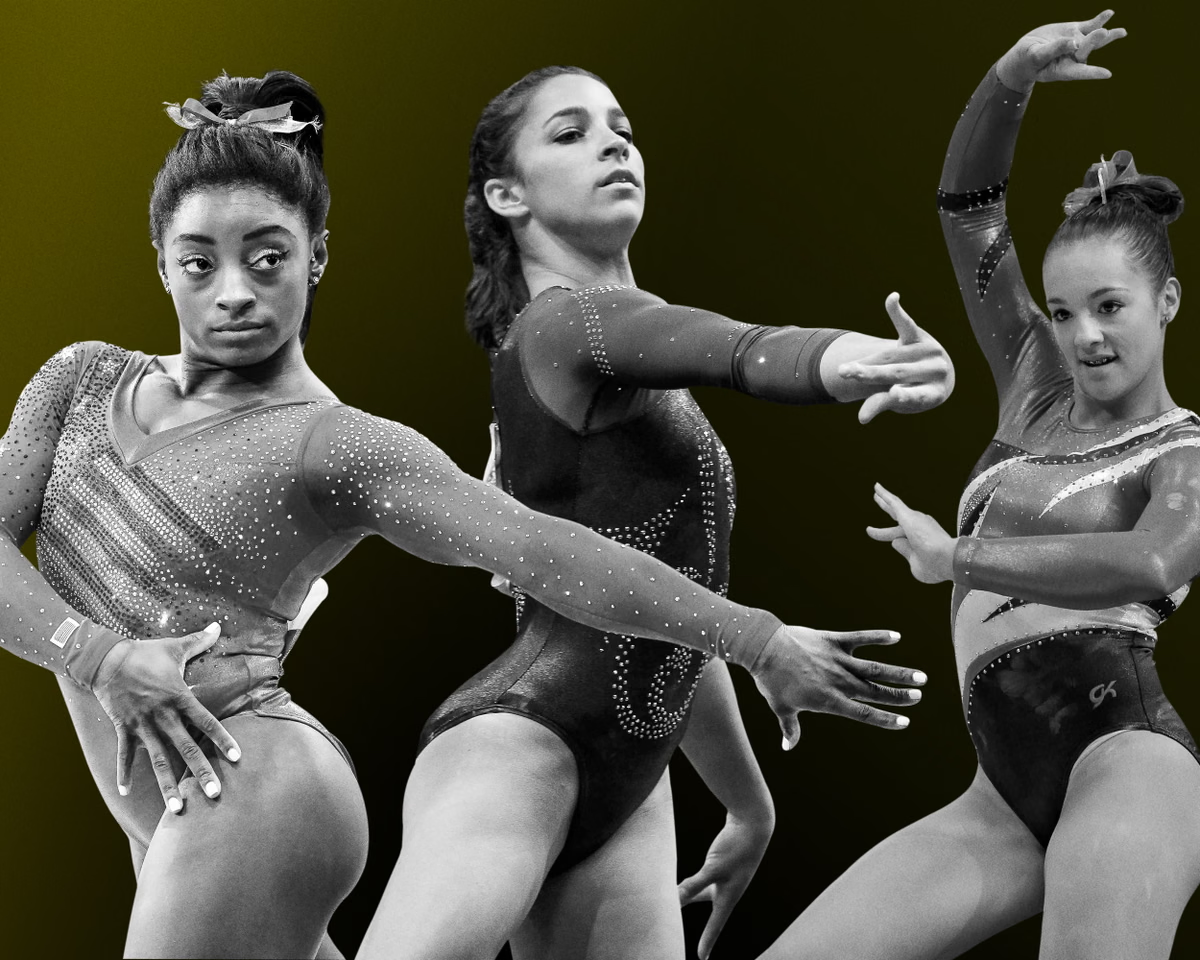
It has been 10 years since the Indianapolis Star published ground-breaking allegations of sexual abuse by Larry Nassar, the former team doctor for USA Gymnastics, setting off a chain of events that led to a global reckoning for the sport. Hundreds of women came forward with allegations against Nassar, who was also employed by Michigan State University, leading to his eventual arrest, trial, and conviction. The widespread exposure of his crimes sparked broader international investigations into how elite sports institutions systematically allowed predators to abuse young, vulnerable athletes over several decades. That organisation has since faced heavy criticism. According to USAG went through four presidents in less than two years,, It would adopt 70 of the recommendations in an independent report into preventing sexual abuse and set up an Athlete Bill of Rights. According to USAG now, Athlete safety has been its “top priority since establishing a new board of directors and leadership team in 2018-2019”. At every level”, requiring all adult USAG members to be trained in safeguarding, it emphasises that “a culture of safety is something that has to be worked on every day. In Britain, an independent review led by Anne Whyte QC found that physical and emotional abuse were systemic, leading British Gymnastics to launch a 40-point plan aimed at changing the sport.
But a decade later, on a large houseboat moored in Rotterdam three tram stops away from the Ahoy Arena, where the World Gymnastics Championships are taking place this week, survivors and advocates raised fears about the slow pace of change. Gathering near the global competition site, victims and campaigners noted that despite widespread publicity and institutional commitments, systemic cultural issues continue to endanger young athletes in elite gymnastics programs worldwide.
The Legacy of the Courtroom Testimonies
The legal impact of the Nassar case was seismic, not least because of the historic decision by Judge Rosemarie Aquilina. While agreeing to Nassar’s plea deal, Aquilina granted victims the unprecedented opportunity to deliver personal impact statements directly in her courtroom. People tuned into Aquilina’s courtroom from all over the world to watch as 169 people took to the stand across seven days, delivering blistering, emotionally charged and brave testimonies detailing Nassar’s horrific abuse and its lifelong consequences. That was constant … Did he deserve my respect. According to the Nassar case triggered a series of, And new measures in the US including the FBI acknowledging its handling of the case was “inexcusable” and Congress establishing the US Center for SafeSport.
Reflecting on the courtroom proceedings, Aquilina noted the transformation among the women who stepped forward to confront their abuser. “I know, dealing with so many victims, that when they speak publicly you see them shed their pain and get taller. You see them have a relief, an automatic release,” says Aquilina, perched on a seat in the helm of the boat. “The most interesting thing was that at first I had a list of maybe a dozen names who wanted to speak, then it was 20, then it was 30, and then it got up to 80, 100, etc. What happened was that one girl empowered the next, who empowered the next. It was the beginning of their healing because they realized they were not alone.” So, that was the basis of everything,” she says. “So many times I was told that I wouldn’t be successful because I was too nice. According to hausch, An injury that forced her from the sport was a relief. “I was on beam and I slipped with one leg and fell with the other on to the beam and then crashed down,” she says. “The leg was pushed sideways so much t.
Throughout the court proceedings, Nassar attempted to maintain control over the victims and the process. Aquilina observed that Nassar constantly sought to exert control over the court, the young women, and the narrative. However, the collective courage of the victims shattered that dynamic. Among the victims motivated to speak out publicly after hearing the statements of others was Olympic gold medalist Aly Raisman, whose testimony added significant momentum to the global demand for executive accountability and structural reform. She was joined by fellow gold medallist Jordyn Wieber, Olympic bronze medallist Jamie Dantzscher and former US national champion Mattie Larson.
When the landmark trial concluded, Aquilina sentenced him to up to 175 years in jail with other convictions, federal and state, making a total of 300 years to life. The sentencing effectively ensured that the disgraced former doctor would spend the remainder of his natural life behind bars, marking one of the most severe punishments handed down in a sports abuse case.
Global Impact and Media Exposure
Two years after Nassar’s landmark sentencing, a major documentary film named after survivor Maggie Nichols, titledAthlete Awas released. The film shone a global spotlight on the toxic culture within USA Gymnastics, detailing how executives turned a blind eye to reports of systemic abuse in pursuit of medals and international prestige. The documentary served as a catalyst for former athletes across the globe to recognize and articulate their own experiences of mistreatment.
Kim Shore, who was a high-level gymnast in Canada during the 1980s and “experienced all forms of abuse, but also all forms of joy,” was serving on the board of directors of Gymnastics Canada, the national governing body, after stepping into governance when her own traumatic experiences resurfaced. Reflecting on her deep connection to the sport, Shore explained, “I absolutely love the sport. I love how it feels in my body. I love so many aspects of it. And yet I spent most of my time surviving it.” Simone Biles, the most famous gymnast of her generation, revealed she was a victim on social media and later testified publicly in front of the US Senate Judiciary Committee. Boorman channelled her anger at her own experience of negative coaching as a child gymnast into her coaching philosophy. “I knew that I never wanted to make another child feel the way that I felt as a child.
Shore, who now works as an independent safe sport advocate, recalled the profound personal impact of the Nassar trial and subsequent documentary: “I was floored, understanding: ‘OK, I wasn’t a bad kid, I wasn’t a bad gymnast, this is why I was treated that way, it’s endemic.’” Yet despite the global exposure, the reaction from national sports governing bodies remained severely inadequate. Shore noted that the institutional response from Gymnastics Canada was “absolutely lacking,” recalling, “I remember I sat and watched those girls tell their story in the courtroom and I just bawled,” while board members around her struggled to acknowledge the broader cultural failures within their own programs. According to “At the elite club in the city I moved to it wasn’t fun anymore,”, Witjes, whose book, Silenced for Gold, is a memoir about the systemic abuses within sport and her battle to expose it. “My dad taught me to let my vo. So, I’ve just had to hold on to my core beliefs.”.
Ongoing Legal Battles and Institutional Blindspots
The push for accountability extended to the United Kingdom, where survivors began taking legal action against institutional neglect. Eloise Jotischky, 23, who at the end of last year won the first civil case against British Gymnastics for the abuses she suffered in the sport, emphasized that media portrayals helped victims understand their experiences. She noted that the release of films likeAthlete Aallowed survivors “to articulate what you’ve been through and find the terms to understand it.” I was like: ‘I’ve gone mad, I’m 36, I’m learning to be a Mexican wrestler.
Describing the insular nature of elite training environments, Jotischky highlighted how difficult it is for outsiders to comprehend the institutional control exercised by coaching staff. “It’s very hard to explain it to people who are not within that culture, that sport,” she explained. “The only way I can really describe it is that it’s sort of like a cult in a lot of ways.” Due to relentless pressure and toxic training conditions, Jotischky stopped training at age 14. “By the end, it wasn’t joyous. I think I hated it. You just blame yourself and you think that you are the problem,” she added, echoing sentiments shared by hundreds of former gymnasts worldwide. From the age of 13 I don’t think there was a week without training through pain.
At the same time, the life of former British gymnast and athlete Claire Heafford was undergoing a major transition. While navigating significant personal changes, she encountered professional wrestling, which offered a fresh perspective on physical performance. “I got into professional wrestling when I saw it and felt very drawn to it. I didn’t really understand why, but it’s a performance art where you control your body,” Heafford stated. “It was only whenAthlete Acame out that the penny dropped.” You’re very isolated, in a lot of cases you’re pulled out of school, you’re removed from your friends, you’re travelling to competitions all the time and you’re deprived of a normal social life, it’s a very closed system. There’s a lot of parallels there, but you’re a child, so there’s the duty of care issue as well.”, i’d say it’s very similar to a coercively controlling relationship in a domestic setting.
The documentary inspired Heafford to take direct action, leading her to establish Gymnasts for Change, an advocacy alliance dedicated to ending abuse and ensuring safer environments in sport. As Gymnasts for Change began mobilizing athletes across the UK, broad systemic shortcomings became apparent in national legal frameworks. Advocates point to legislation such as the UK’s 2021 Domestic Abuse Act, which defines personally connected individuals exclusively as family members or romantic partners. This statutory definition creates a major legal blindspot for sports environments, where coach-to-athlete dynamics often involve intense interpersonal influence.
In a coach-to-athlete relationship where young gymnasts spend up to 30 hours a week in the gym with their coach, and some gymnasts even go to live with their coach because they have formed such a close relationship, coercive control and emotional abuse can easily occur. However, because these dynamics fall outside standard statutory definitions of domestic abuse, victims often struggle to secure adequate protection or legal recourse under current domestic abuse legislation.
Support Services and Resources
For individuals affected by abuse in sport or sexual assault, support services and confidential helplines are available globally
- In the UK, Rape Crisis offers support on 0808 500 2222 in England and Wales, 0808 801 0302 in Scotland, or 0800 0246 991 in Northern Ireland.
- In the US, Rainn offers confidential support on 800-656-4673.
- In Australia, support is available via 1800Respect at 1800 737 732.