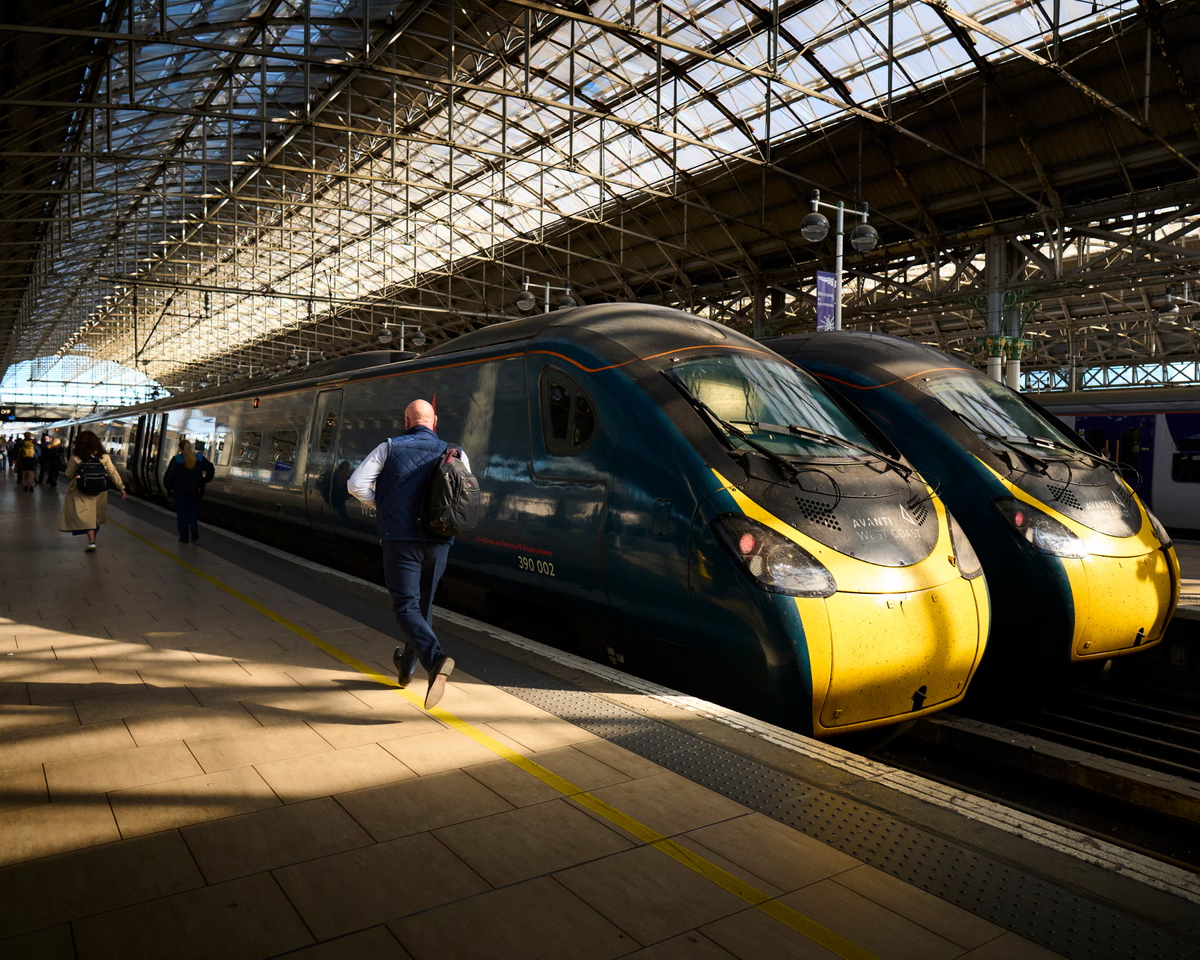
Avanti West Coast distributed more than £20 million to passengers during a three-month period this summer as compensation for train delays and cancellations. During one four-week stretch ending July 25, the operator paid out £9.3 million, a figure comparable to its total annual profits for each of the previous two years, followed by an additional £12.2 million over the next eight weeks. It repaid a further £12.2m in the subsequent eight weeks.
The rising cost of “delay repay” claims is affecting the entire rail industry, with Avanti serving as the largest contributor to these payouts. Official figures show that total national compensation for railway delays reached £150 million in 2024-25, representing an 8% increase from the prior year. Avanti accounted for approximately 27%, or £40.5 million, of that total. The operator paid out over £50 million throughout the 2025-26 period and is currently projected to surpass £70 million for the current financial year.
Several factors have driven this surge in compensation costs, including fare inflation and increased public awareness of refund rights. Because the current contract system shifts financial risk from operators to the taxpayer, the government effectively covers these costs through its funding model. In 2026, the total number of compensation claims across Great Britain’s railways rose nearly 10% to 9.1 million, with an 80% approval rate. Train operators’ income comes from fees paid by the DfT instead of depending on fare revenue, with the taxpayer instead taking any profit or loss from ticketing income or refunds, under the contracts that replaced the franchising system since the pandemic.
Operational challenges significantly impacted performance, particularly during the summer. In July, fewer than half of Avanti trains arrived on time, with an average delay of 19 minutes per passenger. Disruptions were varied, ranging from extreme heat affecting infrastructure to the unusual incident of a large herd of cows blocking the tracks for several hours. Avanti noted that it was directly responsible for only 23% of these delays between May and August, attributing the remainder to Network Rail, external factors like trespassing, or other operators.
Among long-distance services, Avanti and Great Western Railway (GWR) are uniquely generous in their policies, allowing passengers to claim compensation for delays of just 15 minutes or more. In 2025, GWR paid out £29.7 million in refunds, while LNER, which requires a 30-minute delay threshold, paid £28 million. LNER did not provide updated financial figures for the most recent period. With customers more likely to claim owing to the expense and the chance of delays reaching the 60-minute threshold where fares are refunded in full, long-distance operators typically pay out the largest sums. GWR, which runs trains from Wales and the south-west to London, and LNER, which runs London-Scotland trains on the east coast mainline, were the next highest refunders in 2025, paying back £29.7m and £28m respectively. “To make it as easy as possible for customers to claim compensation when things don’t go to plan, we are committed to ensuring that customers are able to promptly receive any compensation for delays and offer automatic delay repay for journeys delayed by 15 minutes or more.”.
In response to the payouts, an Avanti spokesperson apologized for the service issues, emphasizing that the company is working with industry partners to boost reliability. The operator is also proactively promoting its compensation scheme through increased announcements on trains and social media to ensure passengers are aware of their rights. Avanti stated that these payments are intended to support confidence in rail travel.
GWR clarified that its own increase in payouts was primarily driven by recurring heatwaves that damaged infrastructure, led to speed restrictions, and caused mechanical cooling issues on trains.
Meanwhile, the Department for Transport (DfT) maintains that it is working to address the root causes of network unreliability.
A spokesperson stated that under the upcoming transition to Great British Railways, the department intends to simplify the compensation process to make it faster and easier for passengers to receive refunds regardless of where they purchased their tickets.
Recent regulatory data suggests that most operators now successfully resolve over 99% of claims within 20 days. Although roughly half of all passengers affected by disruptions currently file for compensation, data indicates that user satisfaction with the claims process is gradually improving. About half of disrupted passengers claim compensation, but an increasing number are satisfied with the process and results, according to DfT research.