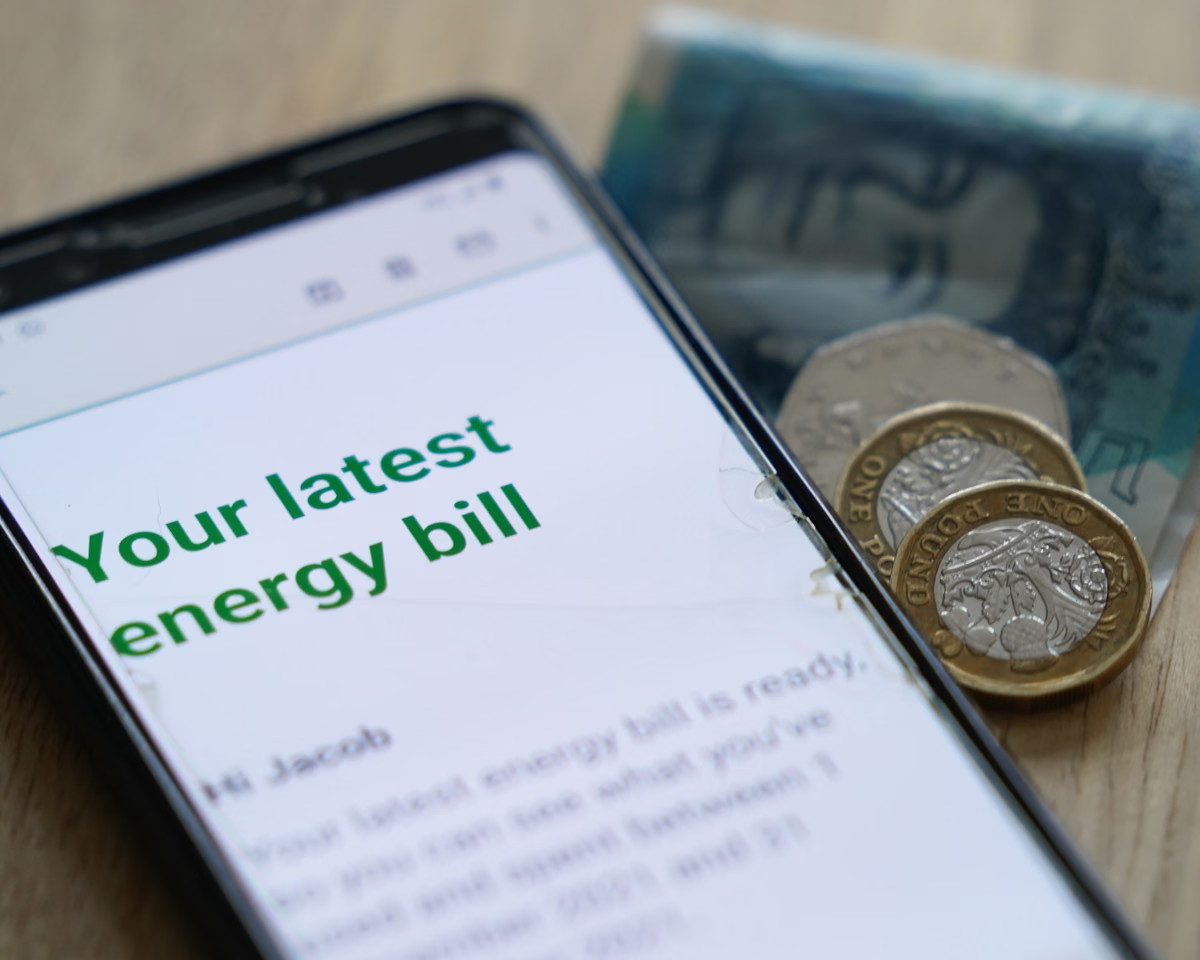
British households are facing a renewed cost of living squeeze, with official figures expected to show this week that soaring energy bills drove up inflation in July to close to 3%. As the Iran war continues to send shock waves through global energy markets, economists predict the surge in UK gas and electricity bills last month will push Britain’s headline inflation rate to 2.9%.
In a fresh squeeze on household budgets, the figures from the Office for National Statistics (ONS) due on Wednesday are forecast to show a jump from a rate of 2.6% in June. The Bank of England is considering raising interest rates from as early as September in response to fears over stubbornly high inflation becoming entrenched in the economy.
Reports also emerged overnight that the water regulator Ofwat is exploring the implementation of “surge pricing” for water usage during drought conditions. This potential policy could see consumers paying higher rates for water during the summer months, lower costs in winter, or increased charges once they exceed a specific consumption threshold, according to reports from the Daily Telegraph.
The latest economic snapshot will highlight the significant challenge facing Prime Minister Andy Burnham’s government to ease financial pressure on households and businesses ahead of a difficult autumn budget. Economists noted that a rise in the consumer prices index was expected after Ofgem, the energy regulator, increased its cap on household gas and electricity bills by 13% in July.
Thomas Pugh, chief economist at RSM UK, stated that the energy price hike would add approximately 0.44 percentage points to headline inflation, though this impact will be partially mitigated by falling petrol and diesel costs. “The cost of living squeeze is set to return to the headlines,” Pugh said, noting that higher inflation is adding fresh pressure to household budgets and complicating the outlook for interest rates.
As the ongoing Middle East conflict fuels volatility in global oil prices, nations worldwide are grappling with renewed inflationary pressures and uncertainty regarding the scale of the economic impact. While Britain’s economy has shown more resilience than initially anticipated—growing at the fastest pace in the G7 during the first half of 2026—inflation had been trending toward 2% before the outbreak of the Iran war.
Prime Minister Burnham utilized his first week in office to announce “breathing space” measures intended to alleviate the cost of living, including a VAT reduction on electricity bills that will save consumers an average of £45 annually starting in October. The Bank of England anticipates that this policy, combined with a £2 cap on bus fares in England, will lower the headline inflation rate by 0.1 percentage point.
Despite these interventions, Threadneedle Street maintained borrowing costs last month, warning that a worst-case scenario involving further escalation in the Middle East could drive inflation to a peak of 4.5% by mid-2027. City investors currently anticipate two quarter-point interest rate increases before the end of next year, with financial markets assigning a nearly 25% probability of a rate hike at the September meeting.
Victoria Scholar, head of investment at Interactive Investor, remarked that inflation is expected to continue rising, potentially peaking above 3% later this year as the economy navigates elevated energy prices. She added that the Bank is likely to implement roughly one 25 basis point hike by year-end to temper the risk of overheating and move the inflation rate back toward the 2% target. The report also notes that to 2.6% – down from a peak of 3.8% last year, inflation also fell by more than expected in June. The report also notes that with financial markets giving an almost one-in-four chance of the first increase in the base rate, now 3.75%, com, city investors anticipate two quarter-point interest rate rises from the Bank before the end of next year. The report also notes that separate figures on the UK jobs market due to be released on Tuesday are expected to show a continued slowdown in wage growth. The report also notes that with financial markets giving an almost one-in-four chance of the first increase in the base rate, now 3.75%, coming at its next policy meeting in September, city investors anticipate two quarter-point interest rate rises from the Bank before the end of next year.