Essential household goods experienced a sharp uptick in demand following the launch of the government’s Be Ready emergency preparedness campaign on 22 October. Data from retail research firm Worldpanel by Numerator indicates that during the 10 days immediately following the initiative, consumers significantly increased their purchases of long-life supplies.
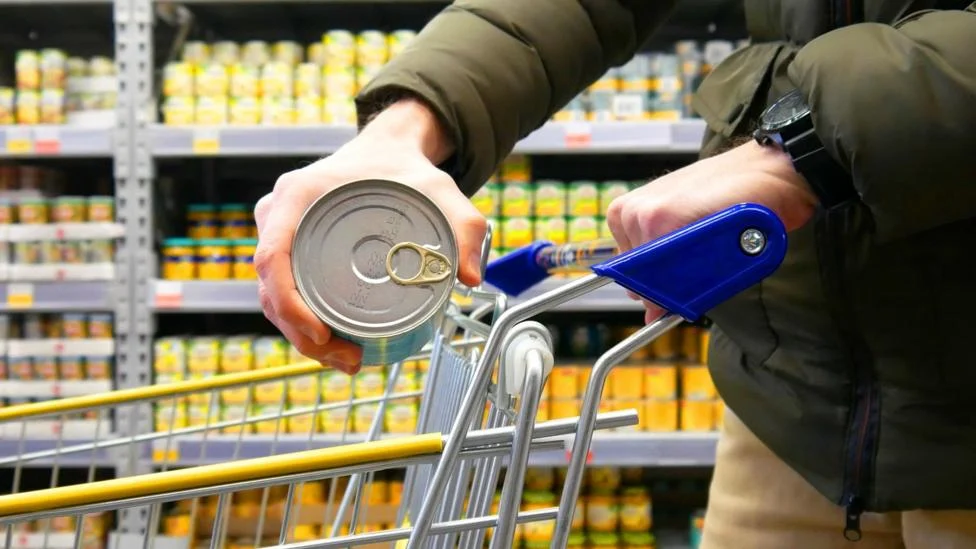
Specifically, hand sanitiser sales surged by 83%, while bottled water purchases climbed 67%. Tinned and jarred food items also saw a 37% increase, with total sales for these categories rising from £58.2m during the same period in 2025 to £79.5m in 2026. Bottled water sales grew from £13.6m to £22.8m, and hand sanitiser figures rose from £497,000 to £908,000. Sales of tinned and jarred goods rose from £58.2m in the 10 days to 2 November 2025 to £79.5m over the same period in 2026.
Retail experts noted that while these figures represent a clear shift in shopping habits, the activity does not qualify as panic buying.
Fraser McKevitt, head of retail and consumer insight at Worldpanel, observed that “shoppers clearly took notice of the ‘Be Ready’ campaign,” yet noted that less than a third of households purchased bottled water throughout October.
The data suggests a gradual stocking process, with the average purchase quantity for tinned meat remaining steady at 500g, despite an extra 400,000 people buying such goods each day. The equivalent of an extra 400,000 people per day bought tinned meat, Worldpanel said, although the typical amount remained at 500g, which suggests a gradual stocking-up, after the campaign launch.
Food manufacturer Princes has also confirmed a spike in demand for its tinned tuna, meat, and vegetable ranges. Interim chief executive Giuseppe Mastrolia stated that this trend validates the importance of their core product lines in offering affordable, nutritious, and convenient food solutions during uncertain times.
The government campaign was designed to encourage households to maintain a three-day supply of food and water to mitigate potential disruptions caused by severe weather or cyberattacks. Prime Minister Andy Burnham has advocated for families to keep these supplies readily available to help them navigate emergency situations. And British households need to make sure they have what they need – for example, bottled water, and long-life food that doesn’t need to be kept in the fridge such as dried fruit and nuts, the “Be Ready” campaign warns that severe weather and cyber attacks could disrupt essential services. According to prime Minister Andy Burnham has, Everyone should have “those supplies in the house to get you through those moments”.
This push for individual preparedness follows criticism from experts like disaster recovery specialist Lucy Easthope, who has previously warned that the UK is lagging behind nations like France, Germany, Denmark, Sweden, and Norway in disaster readiness. There is ongoing debate regarding where the responsibility for food security should lie, with some advocating for a more centralized government approach. According to disaster recovery expert Lucy Easthope previously, The UK was playing “massive catch up” to other European nations in terms of preparedness.
In October, more than 180 experts signed an open letter to Prime Minister Burnham and First Secretary of State Louise Haigh, urging for local authorities to be mandated to prevent and address potential food supply emergencies. The signatories highlighted the economic barrier to this strategy, noting that a government survey revealed 29% of UK residents currently lack the financial means to store even a few days’ worth of food.