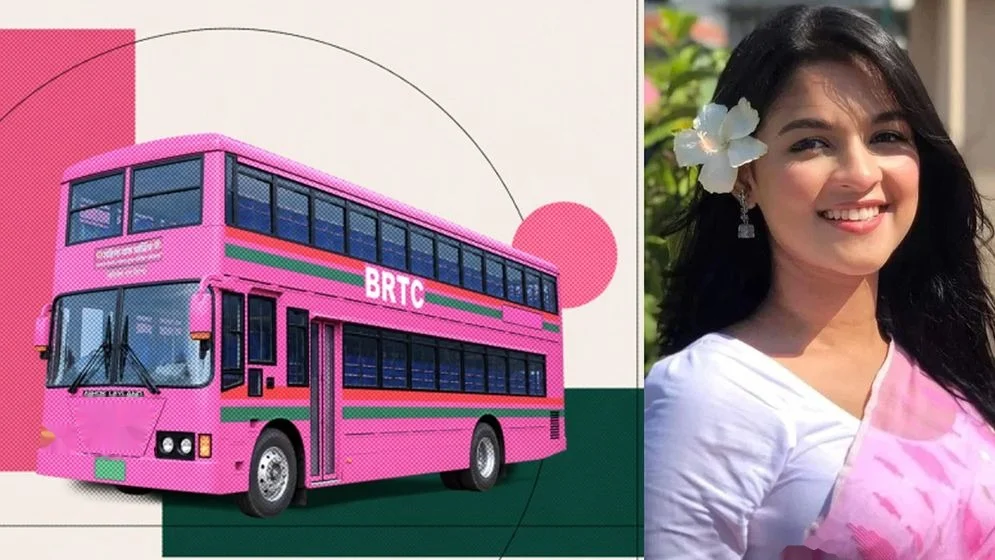
Popular actress Sadia Ayman has voiced strong frustration over the growing trend on social media of disparaging women’s achievements and their path toward self-reliance. She recently took a firm stand against the wave of online trolling and derogatory comments directed at the newly introduced “Pink Bus” service, which was designed to provide safe and comfortable transportation for women.
In a detailed Facebook post, Ayman argued that the issue is not rooted in the bus itself, its color, or its name, but rather in the narrow-mindedness of a segment of society. She emphasized that there remains a persistent reluctance in society to accept independent, successful, and self-sufficient women. By dismissing the negative criticism, she described the pink-themed initiative as “cute and pookie,” urging the public to view it as a symbol of women’s hard work and entrepreneurial spirit rather than a target for mockery.
The actress further called on her followers to ignore toxic criticism and instead embrace public welfare initiatives with a positive mindset. She stressed the importance of respecting the dedication of the female staff, drivers, and entrepreneurs who are managing and operating this service. Her public stance has sparked a broader conversation about the societal barriers that continue to hinder women’s progress, earning praise from many online users who support her push for a more inclusive perspective.
The “Pink Bus” service, recently launched in Dhaka and several other regions across the country, aims to ensure secure and convenient travel for female commuters. By prioritizing female drivers, helpers, and management, the initiative seeks to mitigate the daily hardships faced by working women and students, while simultaneously reducing harassment and security risks in public transport. Despite receiving positive feedback from many passengers, the project became a target for online trolls who mocked its branding. Ayman’s protest serves as a clear defense of these efforts to empower women and a rejection of the tendency to belittle initiatives that promote female autonomy.