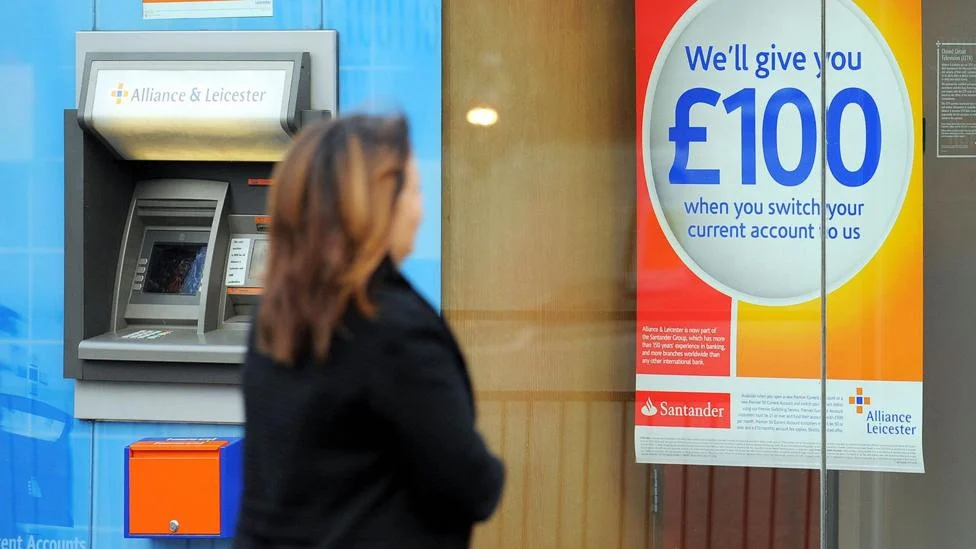
Many consumers remain with the same banking provider for years, potentially forfeiting significant financial gains as competitors offer cash incentives to attract new customers. Currently, more than five banks are providing switching bonuses, with the most lucrative offer reaching £220. Beyond these one-off payments, moving accounts can also secure higher interest rates, resulting in better long-term returns on personal savings.
Despite these benefits, inertia remains a significant issue. A survey of 3,000 British adults conducted in August by Hargreaves Lansdown revealed that nearly two-thirds of savers have remained with their current bank for over a decade. While 34% of respondents reported moving their money within the last 12 months, the vast majority have stayed put, often due to perceived effort, loyalty, or a fear that the switching process will be overly complicated.
Analysis of data from the Financial Conduct Authority suggests this widespread reluctance to switch is costly. Hargreaves Lansdown estimates that British savers are losing approximately £12 billion in potential interest every year by failing to move their funds to more rewarding accounts.
Simon Belsham, chief client officer at Hargreaves Lansdown, noted that while maintaining the status quo is convenient, it frequently results in poor financial outcomes. He explained that millions of people leave their cash in default accounts, a form of inertia that proves highly profitable for banks while costing consumers billions.
According to Belsham, savers are clearly motivated by interest rates, as the primary driver for those who do switch is the pursuit of better returns. However, he acknowledged that the perceived burden of finding, opening, and managing multiple accounts continues to deter many people from taking action, even when better options are readily available. The report also notes that laziness, or fear it’ll be a faff that keeps us from switching, banks are competing to change our mind, whether it’s loyalty.