President Donald Trump acquired between $1 million and $5 million in Nvidia stock just days before his administration rescinded a Biden-era export policy, according to an analysis of financial disclosures. The policy, which had prohibited the sale of advanced US-made AI chips to China, was formally revoked in May 2025. In the days before he rescinded the rule, Trump’s public financial disclosures indicate that he bought between $1m (£760,000) and $5m worth of Nvidia stock – a purchase noted in an analysis by the anti-corruption group D.
This rescission addressed a significant barrier for Nvidia, as China had historically accounted for roughly 25% of the company’s revenue between 2010 and 2022. Market analysts noted that Nvidia’s share price increased immediately following the policy change. Trump’s portfolio also included holdings in other major tech entities, such as Microsoft, Meta, and Apple during this period. The diffusion rule would have limited Nvidia’s ability to sell to what has been one of its largest markets: China accounted for about a quarter of the company’s sales between 2010 and 2022. This rule aimed to strengthen the US’s own chip industry and to protect America from what was widely regarded as a national security threat: the possibility that China might develop superior AI.
By December 2025, Trump signaled his approval for Nvidia to supply advanced H200 chips to Chinese markets, a move formally finalized by the Department of Commerce in January 2026. Experts indicated that H200 technology is six times more powerful than previous versions available in China, with the Council on Foreign Relations warning that such sales could “supercharge” Chinese AI development to the detriment of US interests.
Subsequent to these policy announcements, public filings indicate Trump completed at least three additional Nvidia stock purchases, each valued between $250,001 and $500,000. These transactions represent a portion of dozens of trades involving the chipmaker conducted during his presidency.
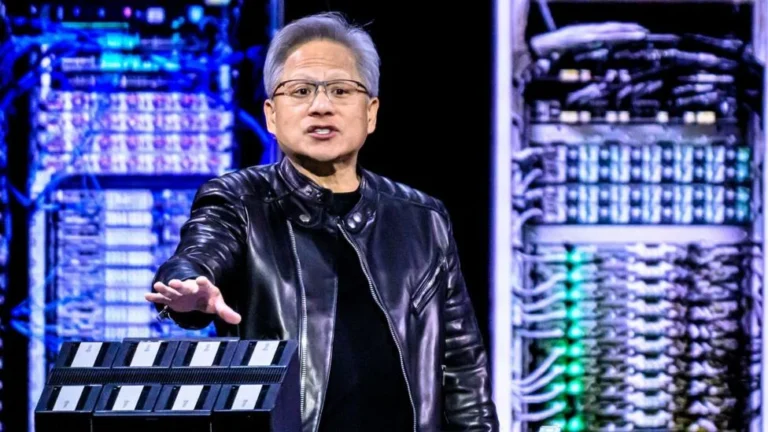
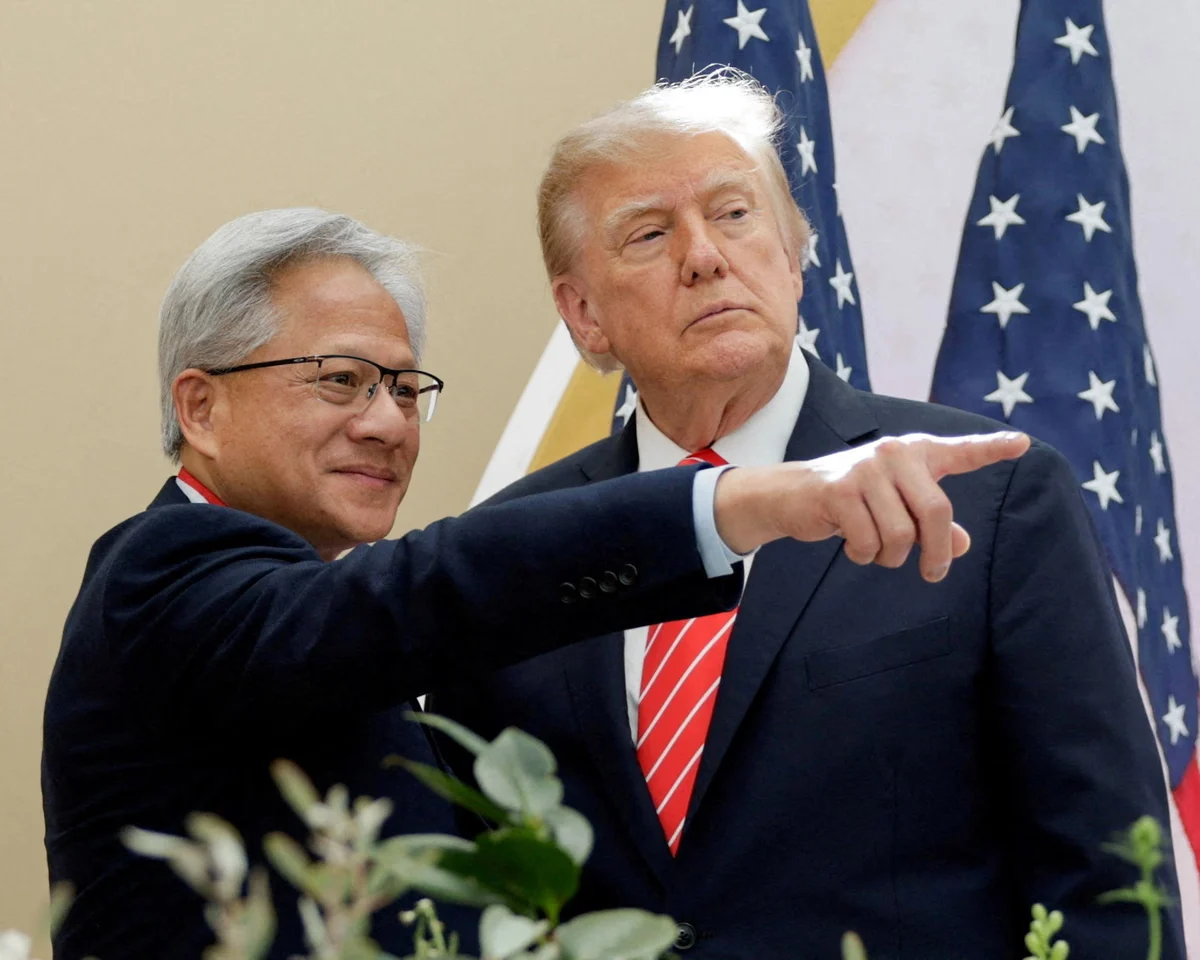
The financial activity occurs amid ongoing scrutiny regarding the ties between Nvidia’s former CEO, Jensen Huang, and Alice Huang, who has been linked to allegations of Chinese espionage. Intelligence briefings confirmed that Trump was twice warned that Alice Huang was acting as a Chinese asset, though he took no official action based on those intelligence reports.
Reports suggest these connections may have facilitated preferential access for Megaspeed, a company tied to Alice Huang, to obtain billions in Nvidia hardware during supply shortages. Jensen Huang, a frequent visitor to the White House, has maintained a close relationship with the administration.
In October 2025, Nvidia contributed $25 million to a Trump-associated ballroom project. Upon the announcement, Jensen Huang stated he was “delighted to be a part of it.”
The anti-corruption watchdog DeKleptocracy underscored the ethical concerns, suggesting that potential foreign influence and personal financial gain may have motivated the policy shifts. The organization noted that the public must evaluate whether personal enrichment played a role in the administration’s decision to export advanced technology to a major geopolitical rival.