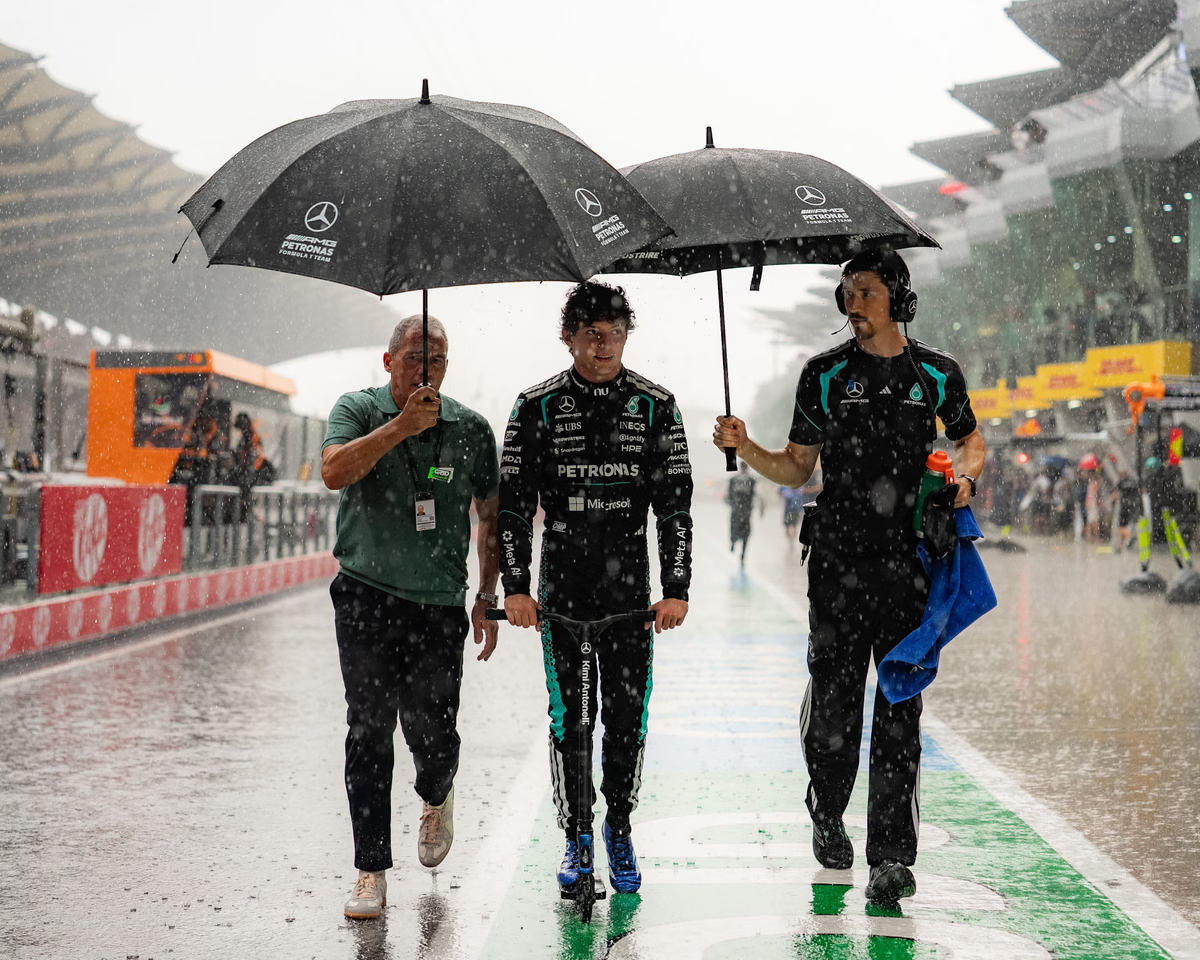
Formula One drivers have issued sharp criticism of the sport’s current engine regulations after a chaotic start at the Bahrain Grand Prix in Sepang. Farcical conditions saw numerous cars struggle to maintain momentum during the formation laps, with many vehicles grinding to a halt due to software issues exacerbated by the wet track. Red Bull’s Max Verstappen won in Sepang but only after F1 suffered the embarrassment of a host of cars barely able to complete two formation laps in the wet as they were making their way to the grid. It’s not what you want for the sport. “Basically, the formation lap, some cars went very slowly, almost came to a standstill.
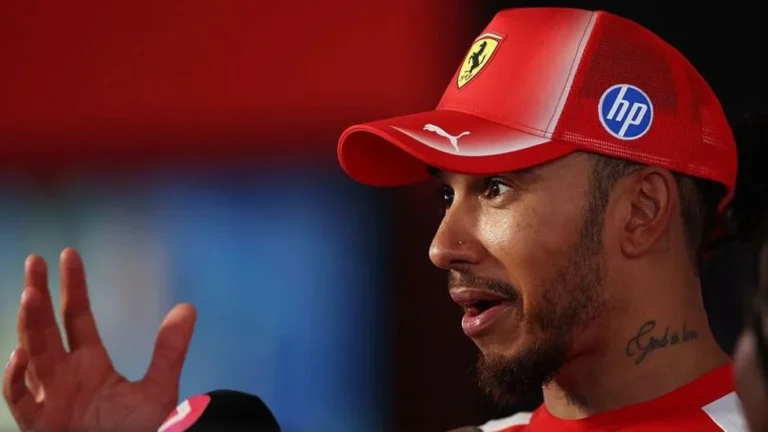
Championship leader Kimi Antonelli of Mercedes described the experience as “insane,” noting that at one point, drivers were positioned five-wide on the straight because nobody understood the unfolding situation. Lewis Hamilton, who also faced a mid-track stop, stated, “I had to stop on-track, stop the car, the engine, and restart it. I’ve never done that before.” Again, my only question mark is who five years ago decided that this was the direction to go?”.
The governing body, the FIA, confirmed the issue was caused by engine control software that had not been adequately tested in low-grip, wet environments, leading to an “unintended loss of power.” While Max Verstappen ultimately secured the victory, the start of the race was delayed by 53 minutes as the field returned to the pit lane to receive an emergency software update.
Defending world champion Lando Norris, who finished ninth for McLaren, labeled the event “just horrible” and expressed concern that the current electronic-heavy formula represents a significant misstep for the sport. Williams driver Carlos Sainz echoed these sentiments, suggesting that the sport needs to reevaluate how it arrived at such complex technical regulations that prove difficult for drivers, teams, and manufacturers to manage.
The current technical formula—an approximate 50-50 split between combustion and electronic power—is locked in for the remainder of the season, with only minor adjustments expected next year and more substantial changes planned for 2028. Critics argue the complexity of these power units is now a liability during unpredictable racing conditions.
FIA single-seater director Nikolas Tombazis admitted that the governing body was caught off guard by the software bug. He explained that a lack of wet-weather testing throughout the season meant the combination of circumstances that triggered the failure remained hidden until race day. He noted that had there been more extensive testing, the issue likely would have been resolved before the grid reached the formation stage. I hope there is a lesson learned,” he said. We probably would have managed to catch it in time and not to have such a situation.”, i think if we had a bit more testing.
Despite the quick intervention to rectify the software, the episode has intensified the ongoing debate surrounding the direction of F1’s technical landscape. As drivers expressed their frustration, the event served as a stark reminder of the challenges posed by the sport’s increasingly intricate electronic systems.