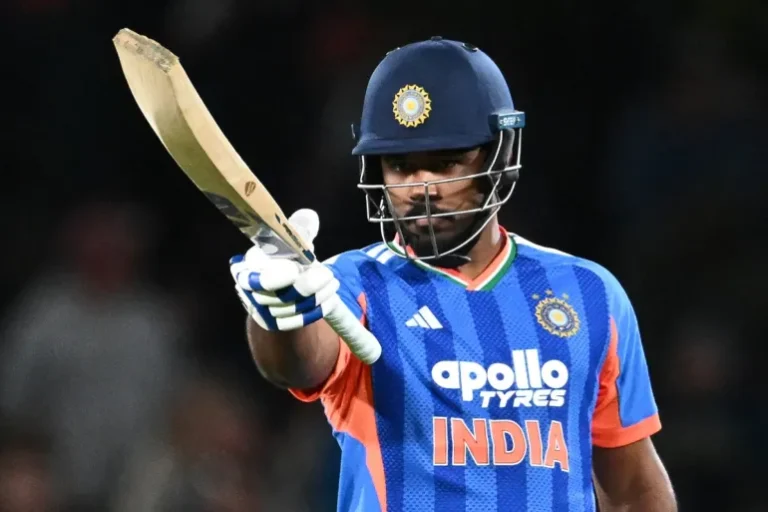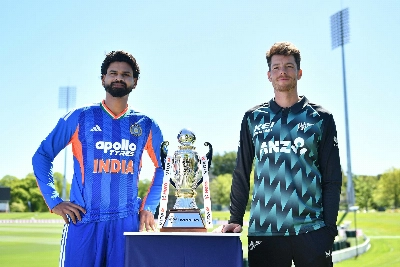
Following a tightly contested 2-2 home series draw against the West Indies, a travel-weary Indian squad arrives in Christchurch to face a formidable New Zealand team. The first of five T20Is is scheduled for Thursday at Hagley Oval. India’s recent schedule has been relentless; their gold medal run at the Asian Games in Japan concluded on October 3, followed immediately by the home series against the West Indies that saw the final match abandoned due to rain in Bengaluru on October 17. The schedule has given India little breathing space. India’s most pressing problem is the make-up of their XI.
Captain Shreyas Iyer faces a familiar challenge, as the team has managed only a single training session since arriving. This situation mirrors his inaugural series as captain, where an India squad missing key personnel suffered a 0-2 series defeat in Ireland—marking their first-ever loss to the Irish in any format. Similar issues with seam-friendly surfaces were exposed shortly after during a series against England. England then beat them as well and exposed their shortcomings on pitches with some spice.
Key stars Jasprit Bumrah and Hardik Pandya remain absent from this tour. Bumrah has been granted rest ahead of the upcoming Test series, while Hardik has not participated in international cricket since leading India to victory in the T20 World Cup final in Ahmedabad last March, where he helped the team post 255 runs.
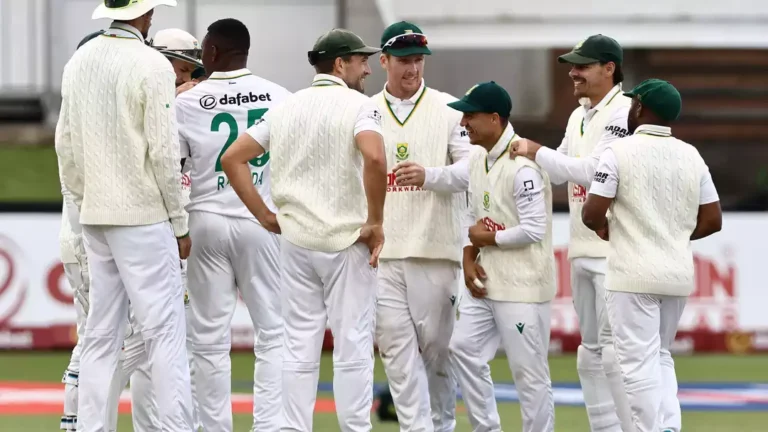
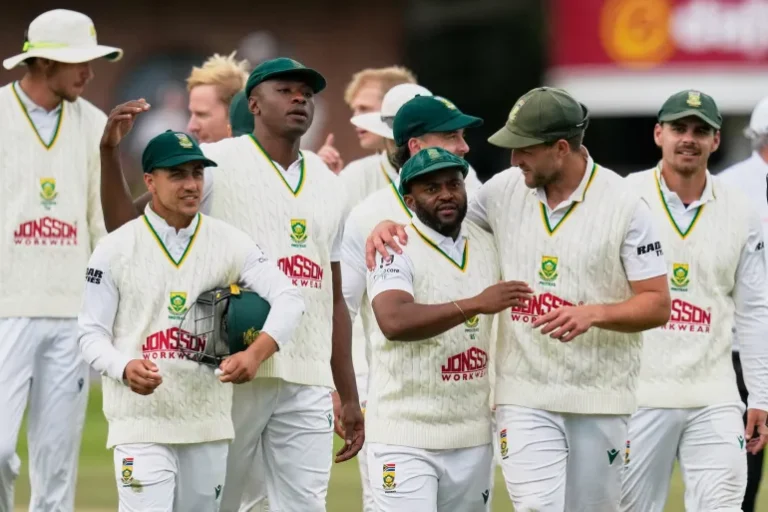
New Zealand enters the series with significant momentum, having secured recent Test and ODI series victories in India. The hosts benefit from the return of several first-choice players, though they will be without the injured Mark Chapman and Rachin Ravindra. This vacancy is expected to create a top-three opening for Devon Conway alongside Finn Allen and Tim Seifert. For Allen, this marks his first domestic T20 appearance since March 2025. The hosts, however, have reason to feel confident.
The Black Caps boast a deep pace attack featuring Jacob Duffy, Matt Henry, Adam Milne, Lockie Ferguson, Kyle Jamieson, and Blair Tickner. Meanwhile, India’s team composition remains a primary concern for the management. The coaching staff may opt to bench Naman Dhir, who performed well against the West Indies, to accommodate both Nitish Kumar Reddy and Shivam Dube, as spin-heavy lineups may struggle in non-Asian conditions. Bhuvneshwar Kumar is expected to feature in the pace attack, though Varun Chakaravarthy’s participation may depend on whether the team prioritizes a third seamer like Prince Yadav.
The match timing presents its own variables, with an 8 p.m. start expected to bring chilly temperatures and potentially significant dew, which could influence captains to bowl first. Historically, India has performed well in the region, winning their last two bilateral T20I series in New Zealand and claiming victory in 16 of 20 completed matches against the Black Caps since January 2020. Additionally, Ishan Kishan enters the series needing only seven runs to surpass Suryakumar Yadav’s record of 1,164 T20I runs in a single calendar year. But it is expected to turn chilly by the 8pm start time, and fresh early-season pitches could offer something to the seamers, days have been pleasant with bright sunshine.
Regarding the composition of the playing XI, captain Shreyas Iyer addressed speculation about teenage sensation Vaibhav Sooryavanshi. Despite his explosive start to international cricket and a record-breaking IPL debut at 14 years and 23 days old in 2025, Iyer maintained that the 15-year-old is not guaranteed a spot. “He has many more years ahead to get opportunities,” Iyer noted, emphasizing that the current opening pair has been in consistent form and contributed to the recent World Cup victory.
Iyer stressed that Sooryavanshi’s inclusion is a development opportunity, noting, “It’s not as if he can just walk straight into the team right now.” Statistically, Sooryavanshi averages just over 30 in T20 internationals with a strike rate of 186, while his competitors for the opening role, Sanju Samson and Abhishek Sharma, have maintained averages of 25 and 30 respectively with higher strike rates since July. The explosive opener averages 35.68 at a strike rate of 184.21 in New Zealand. Below his IPL average of 44 and strike rate of nearly 229, in eight T20 internationals Sooryavanshi is averaging just over 30 at a strike rate of 186. Since July Sooryavanshi’s rivals for India’s opening spot, Sanju Samson and Abhishek Sharma, have averaged 25 and 30 respectively, at strike rates of 172 and 200.
Ultimately, the management believes the current tour will provide the teenager with vital exposure to foreign conditions. “Coming overseas like this will give him a fair idea of how the game plays on these particular wickets, so next time when he comes he will be very well prepared,” Iyer added.