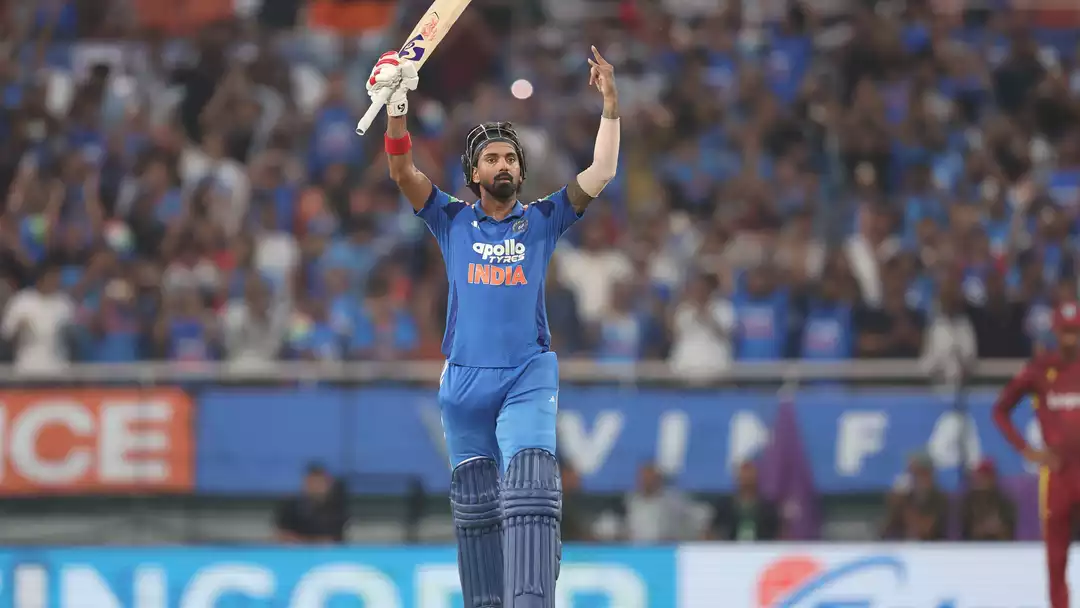
In a cricket landscape increasingly defined by the rapid tempo of T20s, the performances of KL Rahul and Shai Hope served as a stark, sophisticated reminder of the depth required in One Day International batting. Facing high-pressure scenarios, both players anchored their respective innings with tactical intelligence rather than mere brute force, weaving through match phases with careful consideration. But in a format increasingly feels like the masquerade of a stretched-out T20, Hope’s knock brought back the grit and guile of a one-day knock. But more intricately woven fabric of phases, each played on its merit and dealt in its kind, it wasn’t a stitching of big-hits.
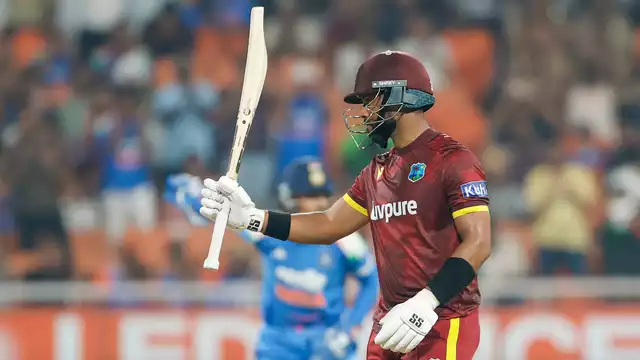
For Shai Hope, the challenge began abruptly. Immediately after completing 50 overs behind the stumps, coach Daren Sammy informed him he would need to replace Jewel Andrew as an opening batter. Stepping into the role for the first time in four years, Hope displayed remarkable composure, showing no outward frustration or excessive celebration even as the required chase grew steep. He later credited a pivotal chat with MS Dhoni for helping him properly time his pursuit. Not indulging in celebration when the bigger goal was yet to be achieved, neither was there any outward emotion when Hope was taking his gloves off 104 balls later. Nor when the target was ticked off.
Daren Sammy lauded his captain’s quiet but effective leadership, noting that Hope leads primarily through performance. Despite battling physical exhaustion and groin pain throughout the later stages of the innings, Hope remained a calm presence as wickets fell. He navigated volatile moments, including Amir Jangoo’s run-out and a heated dispute involving Sherfane Rutherford, without losing his focus. Ultimately, his 72 off 87 deliveries during the middle phase kept the West Indies in the contest before he unleashed a flurry of boundaries to finish with precision. He just put on his pads and went out”. Tasking himself to take on the new ball, Hope set the tempo with old-school approach in the Powerplay, threading the gaps without the need to overhit.
Similarly, KL Rahul demonstrated how a methodical approach can stabilize a team. Rahul, who had not batted in the first two matches of the series, remained prepared by training in the nets even while his teammates celebrated victories. When he finally reached the crease at 141/3, he faced a pitch offering genuine bounce and movement—a marked difference from the flatter tracks seen earlier in the series.
Rahul’s start was deliberate; his first boundary did not arrive until his 15th ball faced, an elegant punch through the covers against Vitel Lawes. By the time the new-ball restriction period neared its end, he had accumulated 22 runs from 22 balls. This patience provided India the necessary foundation to transition from 159/4 to a formidable total of 250/6.
Once settled, Rahul shifted gears effectively. He utilized the bounce to play behind square and over the wicketkeeper, avoiding square-boundary risks against the pacers. Over his final 41 deliveries, he accelerated to smash five fours and five sixes, reaching his highest ODI score in the process. Despite the success, he remained his own harshest critic, reflecting on his final stroke with a shadow-batting rehearsal as he walked off the field.
The similarities between the two keeper-batters are striking. Having entered the international stage within months of each other, both have adapted their roles to suit team requirements. They share a disdain for reckless hitting, preferring to rely on traditional, calculated construction of an innings. Their ability to manage the game’s tempo—echoing the mantra that batters often possess more time than they initially perceive—transformed what could have been chaotic encounters into masterclasses of technical skill.
Both athletes represent a generation of players comfortable in multiple formats, yet their success in these specific fixtures highlights a rare ability to prioritize merit-based shot selection. Whether it was Hope battling through a painful groin injury or Rahul meticulously preparing his game plan while sitting on the sidelines, both players proved that the soul of ODI cricket still rests on the discipline to build an innings phase by phase, waiting for the right moment to strike. With Hope, ODI record-breaking rarely ceases, and he’s already done this enough in India.