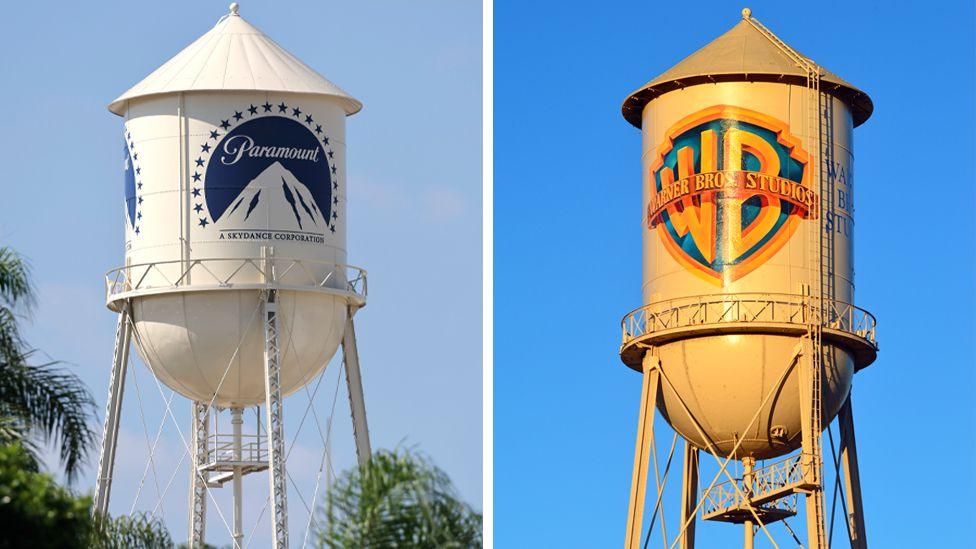
Paramount Skydance has finalized its $110 billion merger with Warner Bros. Discovery, a move that unites historic entertainment entities like Harry Potter and Game of Thrones under a single corporate banner named Skydance. This consolidation integrates major franchises and news organizations, but the deal arrives with strict regulatory requirements concerning production quotas and editorial oversight. It has been months in the making but Paramount Skydance has finally completed its $110bn (£82.8bn) merger with Warner Bros Discovery. Here are four ways this could affect you and the movies, TV and news you watch. Home to The Sopranos, House of the Dragon and Euphoria among others, warner Bros owns HBO Max. Meanwhile, Paramount Skydance has Paramount+, which streams the likes of Yellowstone, Parks and Recreation and NCIS.
A primary concern for consumers is the potential for rising streaming costs. The newly formed entity inherits an $80 billion debt load, and executives are currently targeting $6 billion in annual cost savings to manage this burden. While Forrester Research director Mike Proulx notes that the merger will provide viewers with access to a more extensive content catalog, the financial pressure suggests that subscription fees for services like Paramount+ and HBO Max could face upward pressure.
To settle objections from various US states, the company has committed to a specific film production schedule for the next five years. For the first two years, Skydance must release at least 30 films annually, increasing to 32 films per year for the remaining three years. The majority of these 156 total films are required to be wide releases intended for cinemas, and at least four independent productions must be included annually. Should the studio fail to meet these quotas, it risks being forced to divest its 49% stake in Miramax. It could be forced to sell its 49% stake in Miramax â the studio co-founded by disgraced Hollywood mogul Harvey Weinstein, if Skydance misses its movie quota. The company will have far more flexibility,” she said, once those obligations expire.
Despite these guarantees, legal experts warn that the commitment is temporary. Corporate lawyer Breanne Gilliam of Maddin Hauser noted that these rules offer little protection against long-term structural shifts, suggesting that once the five-year obligation expires, Skydance may pivot toward streaming-first strategies similar to recent industry trends. Historical precedents, such as Disney’s acquisition of 21st Century Fox, have seen theatrical release slates shrink significantly following mega-mergers.
The impact on the workforce has triggered significant alarm in Los Angeles, where industry professionals have protested the deal. A report from CVL Economics estimates the merger could result in the loss of roughly 4,500 direct film and TV roles and a combined $1.26 billion in lost wages over a three-year period. This comes after the region has already seen a loss of approximately 50,000 industry jobs since 2022. While the settlement includes a workforce retraining fund, Gilliam confirmed that the agreement does not contain any provisions to prevent mass layoffs.
Professor Syleecia Thompson of National University expressed concern that the industry is transitioning into a fragmented network, which could destabilize the small businesses, caterers, and vendors that rely on traditional production hubs. Criminal Minds star Kirsten Vangsness described the situation as heartbreaking, emphasizing that the industry’s foundation rests on everyday creatives who are now facing significant professional uncertainty.
Finally, the merger brings CNN and CBS News under the same corporate roof, raising significant questions about journalistic independence. The settlement mandates an editorial board appointed by Paramount to oversee these networks, both of which have navigated turbulent political climates and leadership changes. Paramount CEO David Ellison has requested that CNN boss Mark Thompson and CBS News editor-in-chief Bari Weiss remain in their respective positions. Yet behind this milestone lies strict rules about what the combined business can and cannot do – from how many films it must produce a year to the editorial independence of its newsroom.
Media advocates remain skeptical regarding the effectiveness of this new oversight structure. Seth Stern of the Freedom of the Press Foundation characterized the Paramount-appointed board as ineffective, arguing that it creates the very issues of government-adjacent intervention it claims to mitigate. Gilliam echoed this sentiment, noting that without formal authority, the oversight board effectively functions as a mere observer rather than a meaningful check on corporate influence.