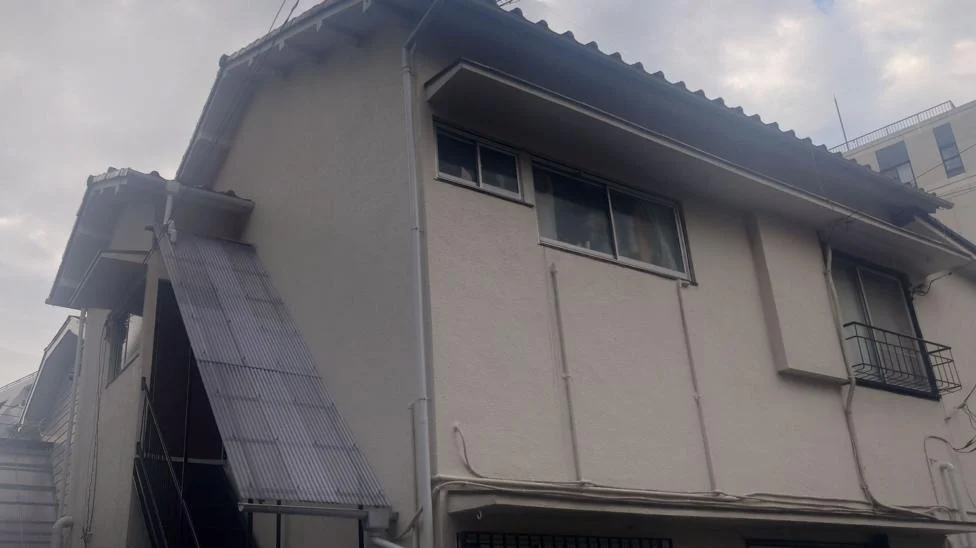
A growing number of house hunters in Japan are looking past traditional superstitions to secure significant property discounts. High living costs and surging real estate prices have fueled interest in stigmatised dwellings, locally designated as “jiko bukken” or incident properties.
Under official Japanese government guidelines introduced in 2021, estate agents are required to inform prospective occupants about deaths caused by suicide, murder, or fire, as well as any situation where a deceased occupant remained undiscovered for a long period. These disclosures must be provided to prospective renters for three years and disclosed indefinitely when a property is listed for sale. Help is available on Action Line, for support and more information on any of the topics raised in this article.
Disclosure regulations for stigmatised properties vary internationally. In the United Kingdom, sellers and agents face no explicit statutory duty to declare that a death occurred inside a home. In the United States, requirements differ by jurisdiction; California mandates reporting any death on the property within the past three years, whereas states like Arizona and Oregon enforce no such rule.
Despite a recent rise in Halloween celebrations, traditional beliefs regarding lingering spirits, known as “yuurei”, remain influential across Japan. These spirits are believed to belong to individuals who died in violent or tragic circumstances, such as murder, suicide, or isolated deaths at home without assistance. Cultural beliefs suggest these spirits remain attached to the premises where they died. External in recent years, many Japanese people take ghosts seriously all year round, although Japan has increasingly marked Halloween. By contrast, in the UK there is no legal requirement, external to reveal that a person died in a property.
Tokyo real estate agent Erik Oskamp notes that Japanese consumers remain exceptionally cautious regarding properties associated with tragic events. He explains that even units adjacent to graveyards, particularly those with direct views of tombstones from the kitchen, face reduced rental demand. Units tied to suicides, severe crimes, or lonely deaths face the greatest resistance from potential tenants. [Even] an apartment next to a cemetery will be difficult to rent out, especially if you can see the tombs from the kitchen,” explains Oskamp. “The worst thing is if a suicide has happened in the apartment. Other issues are a serious crime or a lonely death.
While isolated deaths rarely impact home values in Western markets like the UK or US, they create substantial valuation drops in Japan. In Kagoshima, located in the country’s southwest, 69-year-old American tour guide Diane Tincher purchased a spacious three-bedroom home for 20m yen ($126,800). Similar properties in the vicinity typically sell for up to 45m yen. Working as a tour guide, the 69-year-old American has lived in Japan for nearly 40 years.
Tincher, who has resided in Japan for nearly four decades, explained that the listing agent was fully transparent about the steep 50% discount, which resulted from an elderly woman dying alone inside the residence. “I don’t believe in ghosts. But I know that the Japanese are very superstitious,” Tincher said. She added that if a spirit exists, she feels thankful every day to live in such a quality and affordable home.
To verify details about the residence, Tincher relied on Oshimaland, a crowdsourced online platform dedicated to mapping jiko bukken properties. Founded by Teru Oshima in 2005 to cover Tokyo, the service expanded across Japan before launching internationally in 2011. Members of the public actively update the portal with detailed property histories and past events.
Oshima noted that incident properties were historically viewed as non-viable options for most buyers in Japan. However, ongoing inflationary pressure and soaring housing costs have shifted public perception. A 2025 survey revealed that more than half of respondents in Japan would now consider renting a jiko bukken if offered a substantial price reduction.
Among those occupying stigmatised housing is Ryua, a young entertainer known professionally as an aidoru, who chose to withhold her surname. Four years ago, she moved into a tiny 25-square-metre rental studio in Tokyo’s fashionable Setagaya ward after being informed that the previous tenant had died inside. Pictured here, sadly took their own life, the previous occupant of Ryua’s apartment. While someone more squeamish would probably have quickly left the flat never to return, Ryua chose to go ahead and move in.
The tragic background enabled Ryua to secure an approximate 30% reduction on her rent, paying 45,000 yen ($285 / £213) monthly instead of the standard market rate of 62,000 yen. She recalled seeing a male figure glaring at her during her initial apartment viewing. Realising the estate agent could not see the figure, she concluded it was a ghost. Glaring at me,” she says, when I visited the place for a viewing there was a man standing there.
Describing herself as a contrarian, Ryua decided to proceed with the lease and attempt to coexist peacefully with the spirit. She reports encountering daily paranormal activity, including hearing voices and distinct footsteps throughout the unit. Reflecting on her living situation in Setagaya, Ryua expressed satisfaction with her arrangement, maintaining that spirits were once living human beings who deserve ongoing respect.