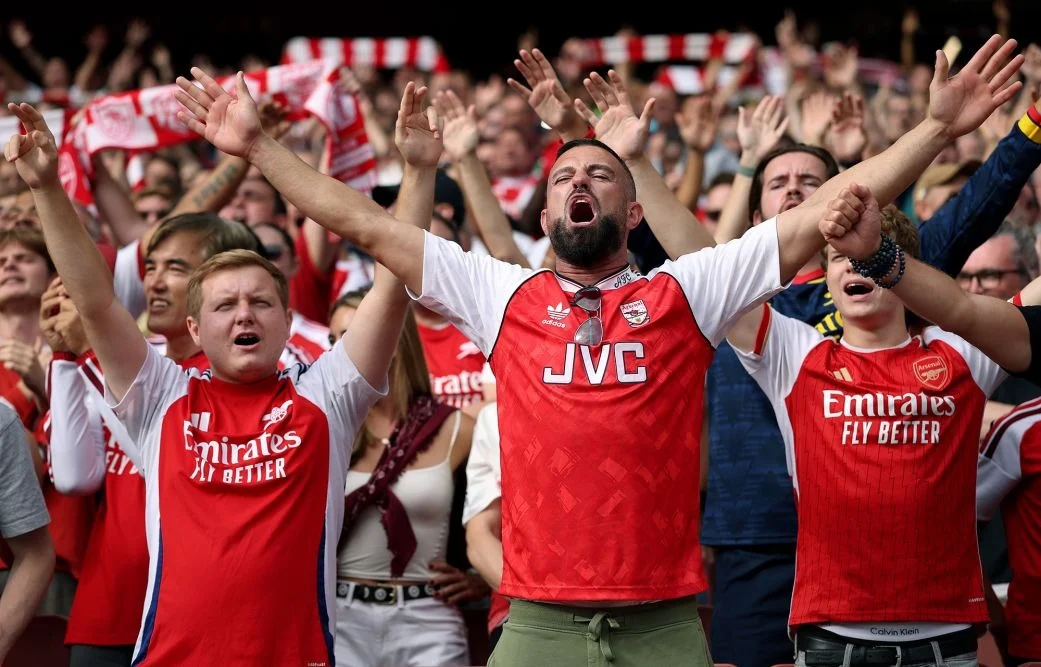
For more than four decades, British soccer fans have been barred from consuming alcohol within the stands, but a potential policy shift may be on the horizon. Prime Minister Andy Burnham recently signaled that the government is reconsidering the legal framework surrounding alcohol consumption at matches, suggesting that the current rules are discriminatory. Hello everyone, Spanish Editor Patrick here. Anyways, plenty to get into today, but let’s begin with something that’s become a talker here in the UK: Will fans be able to drink beer in stadiums again.
Speaking from the United Nations in New York, Burnham expressed his view that it is unfair to single out football supporters. He noted that the legislation, which dates back to a vastly different era for the sport, could be addressed through potential reforms, such as a trial basis, to see if the ban remains necessary. The original measure, the Sporting Events Act of 1985, was implemented by Margaret Thatcher’s administration to curb widespread violence and hooliganism, with the Home Secretary at the time citing alcohol as a major contributor to disorderly behavior.
The proposal has met with mixed reactions. While the Football Supporters’ Association has welcomed the comments, calling the 1985 act outdated, the UK Football Policing Unit (UKFPC) has warned against the change. The UKFPC argues that soccer still experiences higher levels of violence and criminal activity from fans compared to other sports, asserting that increasing alcohol access would be irresponsible and jeopardize the safety of both staff and spectators.
Precedent for such a change already exists within the women’s game, where alcohol sales in stands have been permitted in the Women’s Super League following successful trials. Despite this, there is no formal timeline or confirmed plan for the policy to be altered at the top five tiers of the men’s game.
Upcoming International Fixtures
- Event: Men’s UEFA Nations League, Group A3 (England vs. Spain)
- When: Saturday, 2:45 p.m. ET / 7:45 p.m. local time
- Where: Wembley Stadium, London, England
- Event: Men’s International Friendlies (USMNT vs. Peru)
- When: Saturday, 4:30 p.m. ET
- Where: Inter.co Stadium, Orlando, Florida, United States
Beyond the debate on stadium alcohol policies, the soccer world continues to face other challenges. North Korea’s under-20 women’s team, a powerhouse in the sport, has advanced to the U20 Women’s World Cup final following a 3-0 semifinal victory over Colombia. Having won the tournament three times previously, they remain a dominant force. Meanwhile, in the United States, Columbus Crew 2 head coach Federico Higuaín was fired following an investigation into an incident where he gripped and refused to release a player. MLS NEXT Pro suspended him for two matches before the club ultimately terminated his contract. Hence I am taking the reins for one edition so that Mr. Church can enjoy as many stouts and joyous conversations as Ireland can offer up before he returns on Monday, ben is enjoying a well-earned mini-vacation on the Emerald Isle. We will be looking at the somewhat quick return of our dear old friend International Soccer – we thought we left you behind for a while after the World Cup, but somehow, you’re back, in today’s edition of the newsletter. Hear from Kylian Mbappé on his chances for the Ballon d’Or, look at the North Korean under-20 women’s team, and we’re debuting a new recurring segment – with your help – about why you love your soccer club, we’ll also take a look at an ugly incident that shows women still have to fight for their place in soccer.
Kylian Mbappé has also been active in public discourse, speaking with Sports regarding his ambitions for the Ballon d’Or. Additionally, the sport continues to grapple with the complexities of its international calendar, which saw significant interruptions shortly after the Premier League and other European leagues resumed following the expanded World Cup cycle earlier this year. Spain’s La Liga, France’s Ligue 1 and England’s Premier League), but that might soon be changing in the United Kingdom if the prime minister has his way.