The United Kingdom’s unemployment rate saw an unexpected decline in the three months leading up to August, dropping to 4.7% from 4.9%. This performance exceeded the expectations of city economists, who had previously predicted an increase to 5%. Official figures from the Office for National Statistics also indicated a modest boost to the economy, with the number of payrolled employees growing by 13,000 between August and September, reaching a total of 30.3 million.
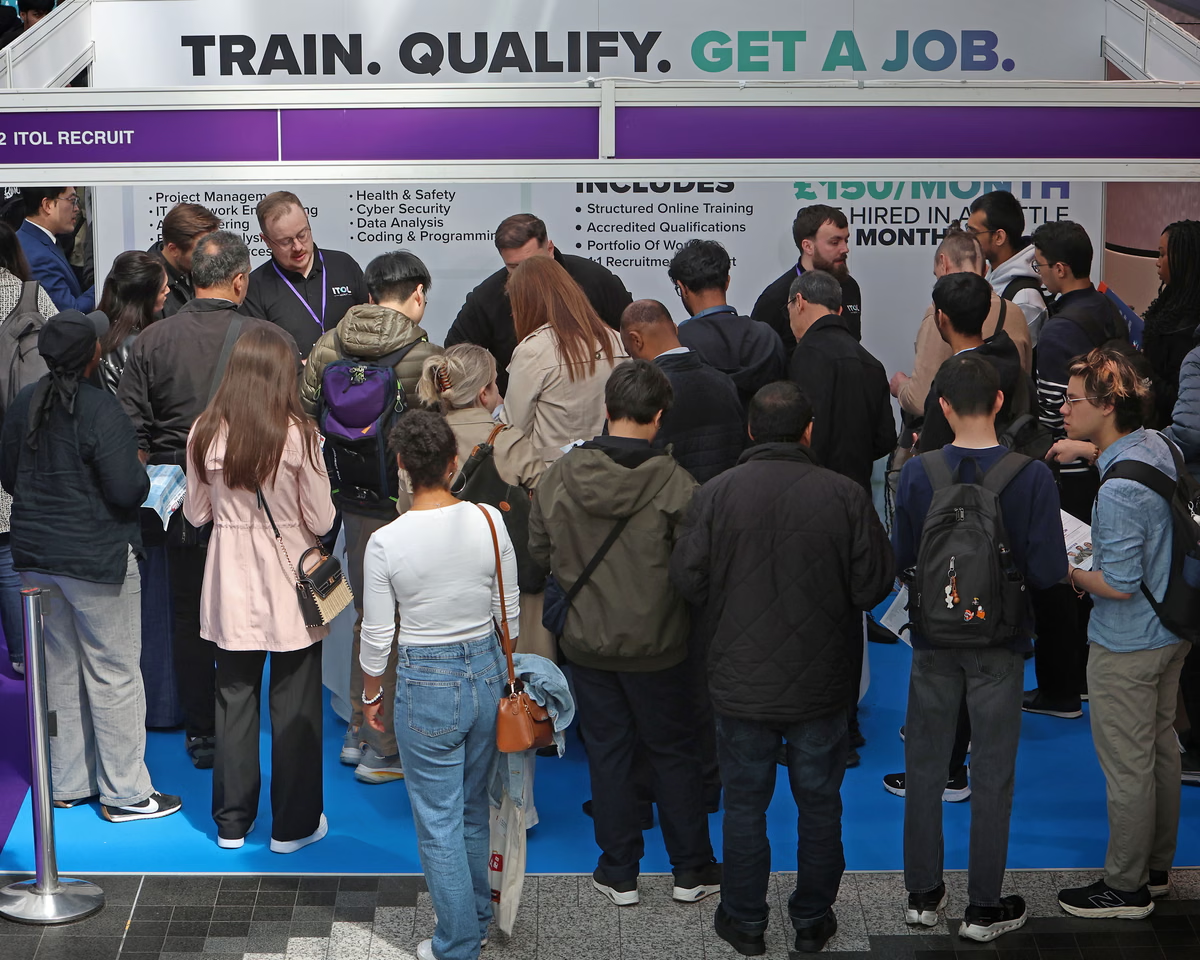
Despite these headline improvements, observers caution that the underlying data presents a fragmented picture as Chancellor John Healey prepares for his first budget next week. A notable decline in job vacancies has fueled concerns that the economy is stalling. Vacancies fell by 21,000 to 691,000 in the three months to September, marking the lowest level since the 2021 pandemic period and a significant drop from the 1.3 million peak observed in the post-pandemic aftermath.
Ben Harrison, director of the Work Foundation at Lancaster University, warned that the dip in unemployment should not lead to government complacency.
He characterized the current landscape as a “jobs drought,” noting that vacancies have hit their lowest point in over 12 years outside of the pandemic era.
Harrison also highlighted the persistence of youth unemployment, with 715,000 individuals aged 16 to 24 currently out of work—a figure that remains 54,000 higher than it was 12 months ago. The ONS estimated there were 715,000 unemployed young people aged 16 to 24, down by 28,000 on the quarter.
Suren Thiru, chief economist at the Institute of Chartered Accountants in England and Wales, described the market as “running on idle.” He suggested that employers are curbing both hiring and pay raises due to policy uncertainty and rising cost pressures. According to Thiru, the continued reduction in vacancies serves as a “flashing red warning light,” pointing to a paradox where AI-driven economic growth is being undermined by weaker demand for new staff.
Wage growth data remains nuanced. While regular pay growth excluding bonuses rose to 3.7% from 3.6%, the inclusion of bonuses caused the total growth rate to slide from 3.9% to 3.7%. Sustained wage increases above the 3.1% inflation rate continue to worry the Bank of England, as policymakers fear that higher earnings will exacerbate inflationary pressure. Average pay growth rose to 3.7% from 3.6%.Hoever, when bonuses are included the rate fell to 3.7% from 3.9%, indicating that few bonuses were paid to workers, stripping out bonuses. Which is of concern to Bank of England interest rate setters, who fear higher-than-expected inflation will translate into higher pay awards, fuelling future price rises recorded by the consumer prices index (CPI), average pay growth remains above the 3.1% headline rate of inflation.
Market analysts are currently anticipating interest rates to rise between 4.75% and 5% by the middle of next year, though Capital Economics suggests the central bank may cap rates at 4.25% due to the modest nature of recent labor improvements. Following the announcement, the pound climbed by approximately half a cent against the dollar to $1.3352. The Bank of England is widely expected to raise interest rates in response to higher prices at next month’s meeting of the monetary policy committee.
Addressing the latest figures, Secretary of State for Work and Pensions Pat McFadden emphasized the resilience of the labor market, noting that the UK employment rate remains the third highest in the G7. However, he acknowledged the necessity of providing support for young people. “That’s why we are working with industry, to bring young people back into the labour market and prevent them from drifting into the welfare system,” he stated.