
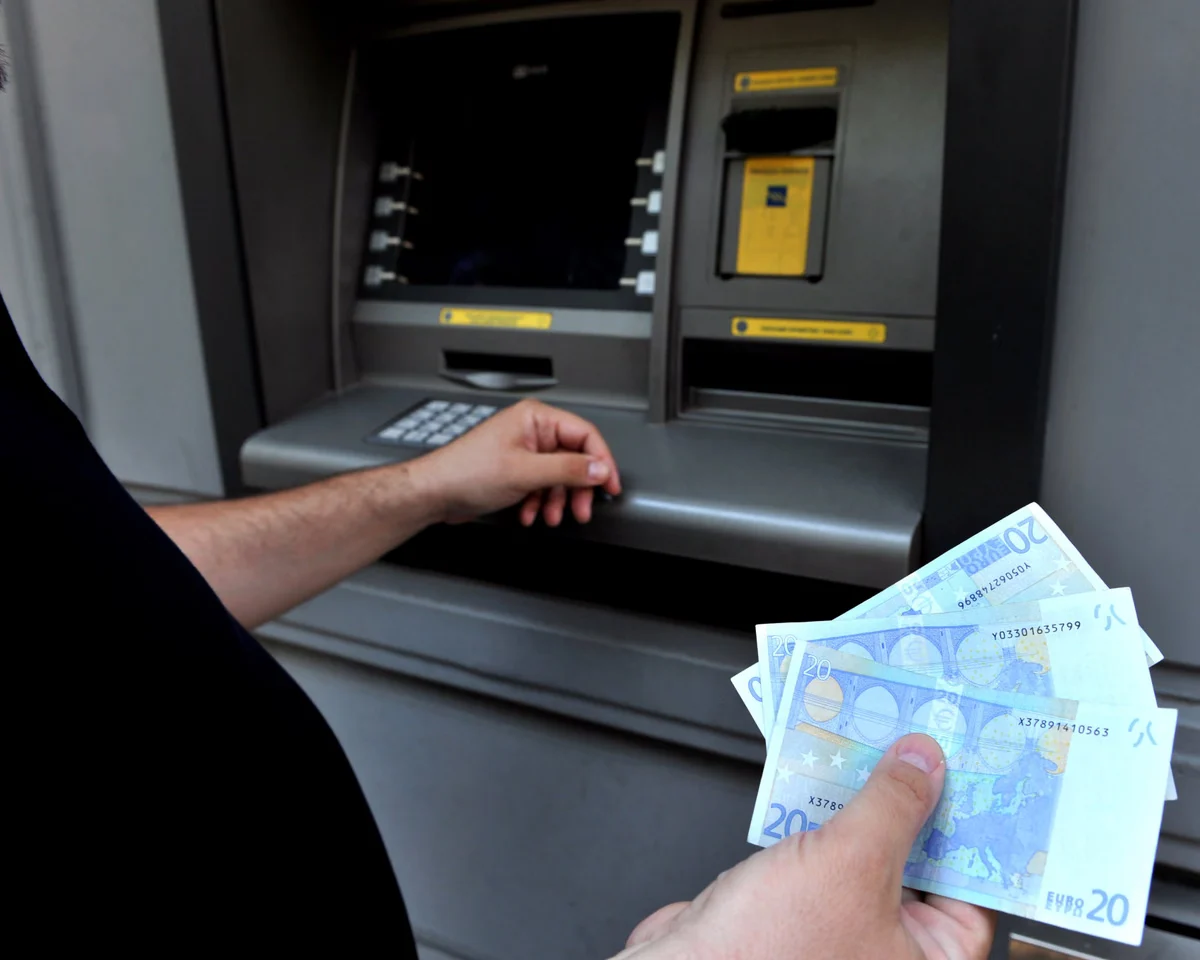
Although contactless payments have become the standard for daily transactions across Europe, the total volume of physical currency in circulation is seeing a significant increase. European Central Bank (ECB) chief economist Philip Lane noted at the MacGill summer school conference in Ireland that while cash usage for routine purchases is declining, the overall stock of banknotes is growing.
Data tracked by the ECB since 2002 reveals that the value of banknotes in circulation rose from approximately €1bn in 2016 to €1.6bn by June 2026. The number of notes currently in circulation exceeds 31 million, a sharp increase from the 24 million recorded just before the 2019 pandemic. Among these, the €50 note remains the most popular denomination, followed by the €100 note.
This trend is largely attributed to growing public anxiety regarding geopolitical conflicts, cyber-attacks, and environmental disasters. In 2025, EU residents were officially advised to maintain a 72-hour supply of essential items—including food, water, and cash—to prepare for emergencies such as the severe wildfires seen in France and Spain, as well as potential infrastructure failures caused by hostile events or cyber-attacks.
The vulnerability of digital systems was highlighted by the sustained cyber-attack on the UK retailer Marks & Spencer, which disrupted online operations for several weeks. Consequently, the ECB has identified cash as a vital component of national crisis preparedness, describing the current trend of reduced daily usage alongside increased hoarding as a “paradox.”
Olive McCarthy, a professor at University College Cork, emphasized the importance of maintaining cash access, warning that society must adopt a “use it or lose it” approach. She cautioned that if cash is viewed solely as a backup measure for crises, it may become difficult to access when it is most needed. McCarthy also noted that cash remains essential for financial inclusion, particularly for the elderly, vulnerable populations, and victims of domestic abuse who may rely on physical currency if their financial autonomy is restricted.
Beyond crisis management, McCarthy highlighted that cash serves as a practical tool for teaching children financial literacy and budgeting. To support this, Philip Lane suggested that legislation may be necessary to ensure that cash machine networks remain a permanent fixture on high streets throughout the European Union.
Ultimately, the ECB maintains that while digital convenience is widespread, the ability to rely on physical currency remains a critical safeguard for both individual security and societal resilience in an increasingly uncertain landscape. The report also notes that new data shows, with wildfires ripping through parts of Europe fuelling demand for an emergency stash of cash, the number of banknotes in circulation in the EU is increasing despite widespread smartphone payments. The report also notes that say experts, the rise of cash has been linked to anxiety over wars and the impact of cyber-attacks on online and contactless payment systems. The report also notes that a transistor radio, canned food and, critically, cash, households were encouraged to have a crisis pack including bottled water. The report also notes that it might not be easy to use it when there is.”, if we stop using it when there isn’t a crisis. The report also notes that “Some consumers prefer the privacy and convenience of cash.








Comments