
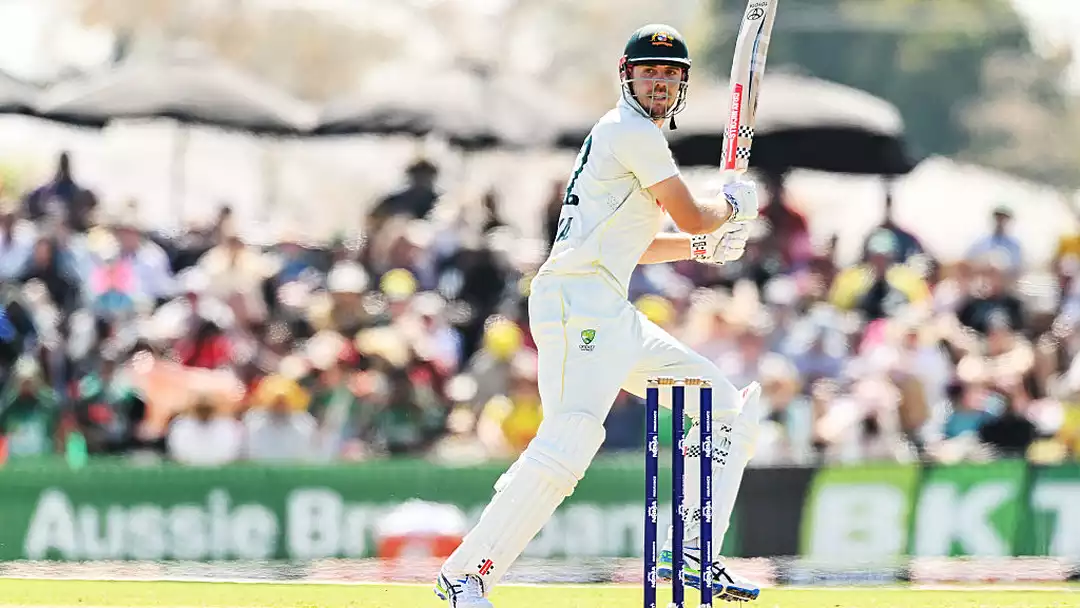
The atmosphere at the Great Barrier Reef Arena was one of immense gratitude and anticipation as Mackay hosted its first-ever men’s Test match. Fans traveled from across Queensland—from Rockhampton to Clairview—to witness the historic occasion, while local groups like the Bama Men’s Group managed concession stalls, marking a milestone for the region. The venue, formerly known as Harrup Park, saw over 12,000 spectators fill the grass banks and boutique stands over the weekend, with tickets completely sold out for what was intended to be the third day of play on Monday.
However, the excitement was short-lived as the match concluded in just five sessions, making it the shortest Test on Australian soil in nearly a century. This result continues a concerning trend, marking the third time in the last nine months that a seven-match series has seen a Test finish within two days. In total, 12 of the 35 scheduled days of Test cricket in this period have gone unused. The match lasted only 125 overs, a duration that felt premature given the quality of the pitch prepared by head curator Peter Kazakoff, who aimed to replicate the conditions of the Gabba.
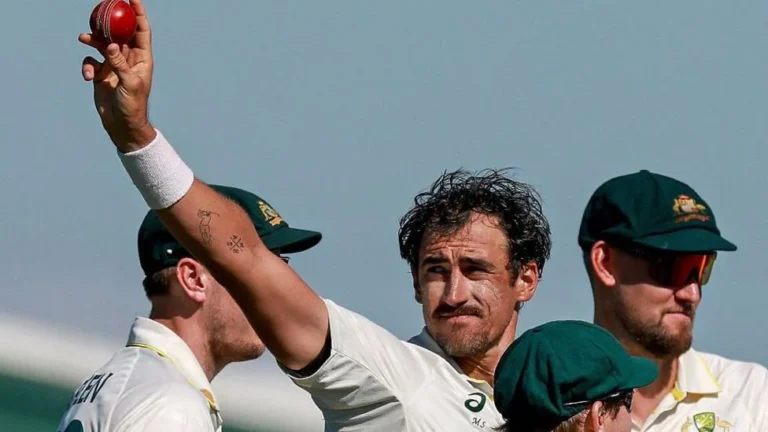
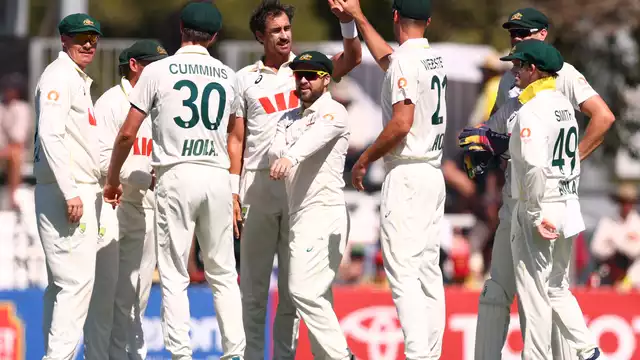
The surface offered steep bounce and consistent seam movement, aided by a healthy breeze that favored left-arm bowlers like Mitchell Starc and Shoriful Islam. Despite these conditions, the rapid conclusion was largely driven by poor batting displays rather than unplayable pitches. Mitchell Starc set the tone early with a devastating 6/12 spell, while Shoriful Islam delivered an impressive performance, arguably the best by a Bangladeshi bowler on foreign soil. Starc himself noted that he and his teammates had bowled with more impact in Darwin the previous week, suggesting the 30 wickets that fell were more a product of batting errors than bowling brilliance.
The match highlighted a recurring struggle in modern Test cricket: a lack of temperament and technique among top-order batters. While Steve Smith showed glimpses of his usual class before a contentious LBW decision by umpire Kumar Dharmasena, Cameron Green stood out for his composure. Following his century in Darwin, Green’s 67 off 105 balls in Mackay demonstrated a serene ability to handle pressure, even as wickets tumbled rapidly at the other end. Conversely, Bangladesh struggled to replicate the discipline they showed in their Darwin victory, with captain Najmul Hossain Shanto’s dismissal—a mistimed shot off Nathan Lyon—symbolizing their second-innings collapse.
For Australia, the win serves as a necessary series-leveling comeback, yet it masks deeper concerns regarding their batting consistency, a challenge they will need to address before facing South Africa in October. The Australian top order struggled significantly, raising questions about their readiness for future tours. By Monday morning, the Great Barrier Reef Arena stood empty of players, with the focus shifting to Mackay Airport as teams departed prematurely.
Despite the brevity of the contest, the event remains a historic marker for Mackay. Locals will long remember the energy of the crowd, the vibrant presence of Bangladeshi supporters, and the very first ball of the match, which saw Starc strike immediately. While the cricket itself was far from remarkable, the community’s enthusiasm ensured the debut was memorable, even if the venue ultimately deserved a contest that lasted the full duration. The report also notes that or the Mackay faithful who’ve remained excited for their official entry on the Test cricket map from the day it was announced last year. The report also notes that even on the streets and pubs of Mackay, have shared their unabashed appreciation for having brought the Australian Test team to their quiet town alongside Pioneer River, and whoever you’ve bumped into. The report also notes that over 12,000 fans making themselves heard and seen over the weekend, with tickets sold out again for what should have been Day 3 on Monday. The report also notes that for now it’s important to say that Mackay deserved a lot better, while the frequency of highly premature Test finishes is fast becoming an issue across the board. The report also notes that yes, there was seam movement on offer for the fast bowlers throughout, and the nature of the square meant that the ball remained fresher for longer and continued to swing. The report also notes that or should have resulted in the kind of mayhem that ensued over the course 125 overs, which is how long it lasted, but these weren’t conditions that suggested. The report also notes that it came down to the two batting groups, spare a couple, not being up to the task, resulting in probably the most disappointing Test match in recent memory, like has been the case so often of late. The report also notes that there were of course two outstanding bowling performances that played a huge role in the expedited outcome of the match.







Comments