
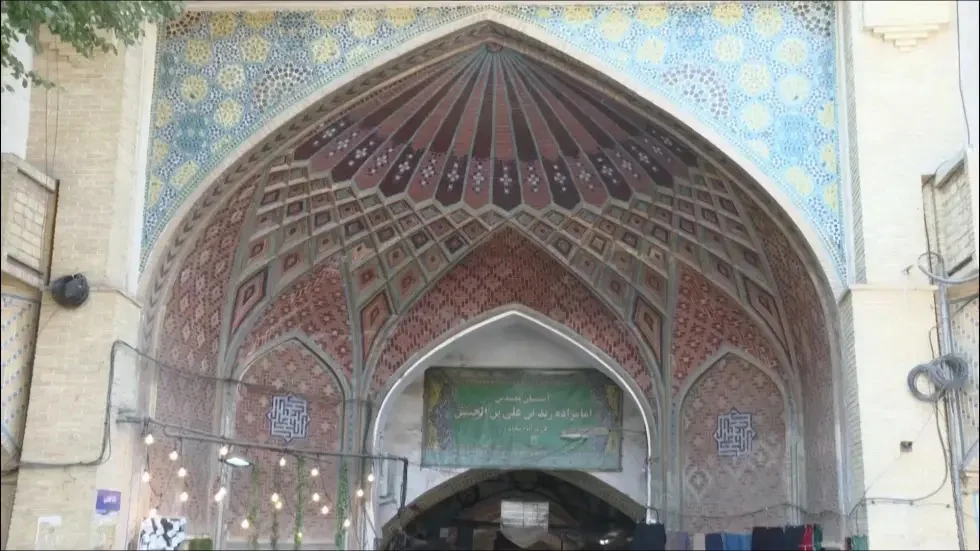
Tehran’s grocery stores remain stocked, yet a growing number of Iranian families find themselves unable to afford basic necessities. As the conflict with the United States and Israel nears its six-month mark, the nation is reeling from a combination of international sanctions and a naval blockade that has severely hampered oil exports—the country’s primary economic engine. While heavily subsidized gasoline remains accessible for now, the cost of food, medicine, and other essential goods has surged, leaving many citizens in a state of precarious survival.
Ahmad Karimi, a 52-year-old taxi driver and father of two, described the daily struggle to make ends meet, noting that he now works 15-hour days. “We have virtually given up on many things,” Karimi said. “We’re cutting out fruit, we’re cutting out protein, we’ve given up leisure, we even work on weekends.” His sentiment is echoed by many across the country, where official unemployment is cited at 9.1%, though state-affiliated outlets suggest the actual figure is significantly higher. A Labor Ministry official recently reported that by late May, just three months into the conflict, more than 1 million jobs had already been lost.
The financial impact is starkly visible at Tehran’s Grand Bazaar, where shoppers hunt for staples that are increasingly unaffordable at standard grocery stores. Compared to pre-war levels, rice prices have climbed by 60%, while beef has seen a 150% increase. One 41-year-old mother from northern Iran shared on social media that a modest basket of milk, eggs, and toilet paper cost her 89 million rials, or approximately $65. “Buying basic necessities has become our main priority, and our shopping basket has gotten smaller and more limited,” she told reporters on condition of anonymity. She added that the emotional toll of constantly denying children their wants is becoming exhausting.
Economic forecasts remain grim, with the International Monetary Fund projecting inflation to rise by nearly 70% by the end of the year and the economy to shrink by more than 5%. Even the stability of gasoline prices is in question; a presidential aide recently warned that domestic consumption is outpacing production, raising the prospect of price hikes—a move that has historically triggered widespread civil unrest. Despite these hardships, experts like Hadi Kahalzadeh of Brandeis University note that Iran’s capacity for resistance has prevented the economic pain from immediately translating into the political shifts expected by the U.S.
The geopolitical landscape remains volatile, with President Donald Trump recently vowing to implement the “most crushing economic operation ever taken against any country.” This includes threats of secondary sanctions against nations that continue to trade with Tehran. The United Arab Emirates, previously a key hub for circumventing sanctions, announced a suspension of all trade with Iran this week following discussions with the U.S. administration. Meanwhile, Iran continues to retaliate by disrupting shipping in the Strait of Hormuz and targeting regional U.S. bases, attempting to leverage global energy price spikes to secure sanctions relief.
While President Masoud Pezeshkian’s government has expressed a desire for a negotiated end to the war, emphasizing the need to protect public livelihoods, the paramilitary Revolutionary Guard remains the dominant force. The organization has only solidified its influence following U.S. and Israeli airstrikes that claimed the lives of top Iranian leaders during the early stages of the war. For citizens like Karimi, the current situation is unsustainable. “The people won’t be able to continue living like this,” he said. “We’re simply breathing, surviving, and trying to make it from one day to the next.” The report also notes that putting food, medicine and everything else — except for heavily subsidized gasoline — further out of reach, unemployment is soaring and those with jobs are working more hours for money worth half as much as a year ago. The report also notes that whether this intensifying economic pressure will translate anytime soon into military or political concessions from Iran remains to be seen — but some experts are skeptical. The report also notes that since the war began, Iran has been attacking oil-rich neighbors and U.S. The report also notes that iran is trying to use this retaliatory pressure — which is driving up energy prices globally — to bring the war to an end on the best terms possible. The report also notes that and seeking enough control over the strait to demand payment from ships passing through to deliver energy and other goods, it is pressing for sanctions relief. The report also notes that the Trump administration — which is stuck fighting over a waterway in a war that was launched to curb Iran’s nuclear program — is now promising to deliver even tougher sanctions to try to squeeze the Islamic Republic into submission. The report also notes that iran has been subject to Western sanctions for years and has become deft at partially circumventing them. The report also notes that used informal cross-border trade networks, bought restricted goods through third countries, and used a shadow fleet to transport its oil, it has expanded domestic production.



Comments