
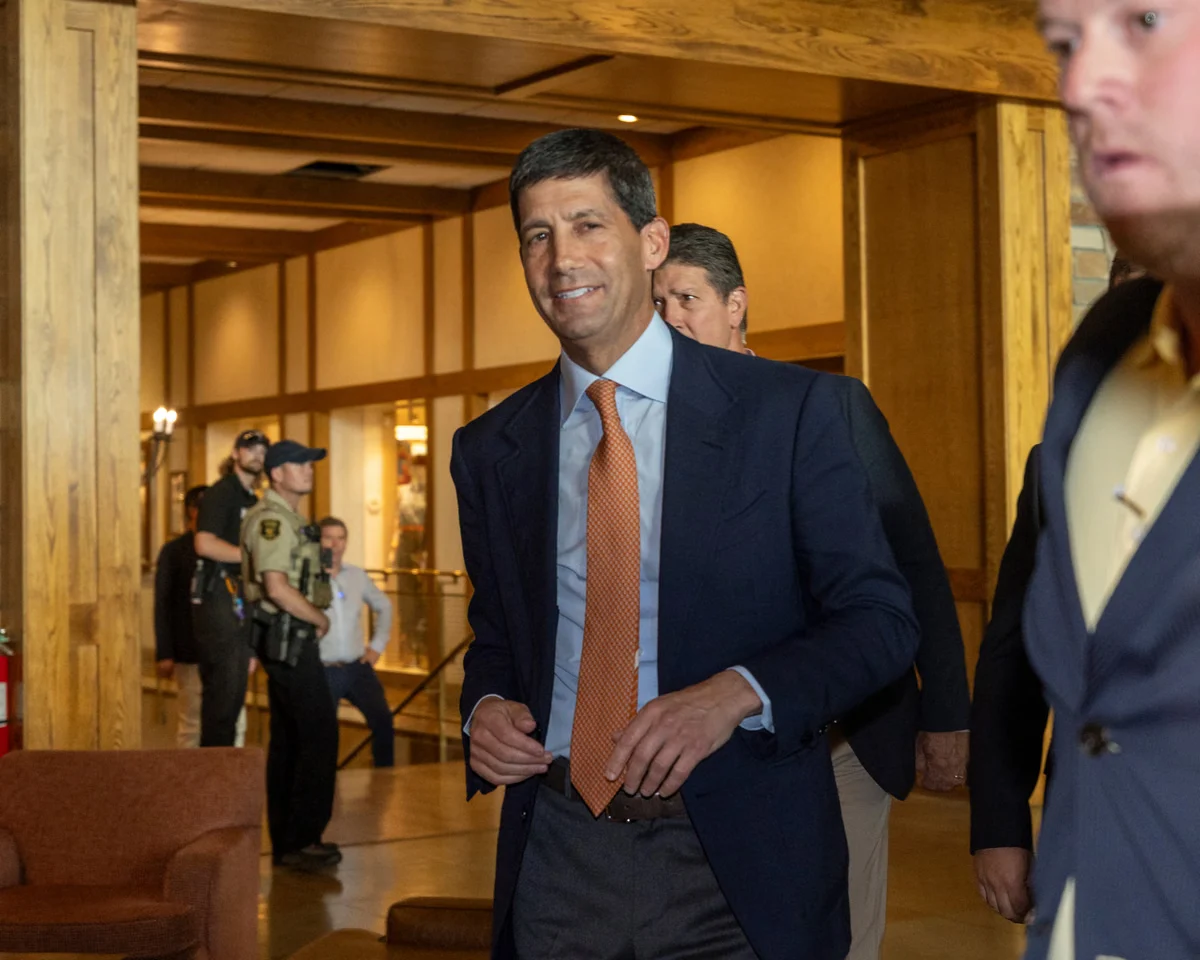
Federal Reserve Chair Kevin Warsh signaled on Friday that the central bank remains committed to curbing persistent inflation, asserting that it is the Fed’s fundamental responsibility to ensure stable prices. Speaking at the annual Jackson Hole symposium in Wyoming, Warsh delivered his first major address since taking the helm in May, though he stopped short of providing specific guidance on future interest rate adjustments.
Despite US inflation cooling to 3.4% in July from a three-year high of 4.2% in May, the figure remains significantly higher than the previous year and well above the Fed’s 2% target. Warsh characterized recent progress on inflation as “modest,” noting that while summer price data performed better than anticipated, there is no clear evidence that underlying economic trends have meaningfully improved. The persistent inflationary pressure is occurring against the backdrop of the ongoing war in Iran, which has contributed to economic instability.
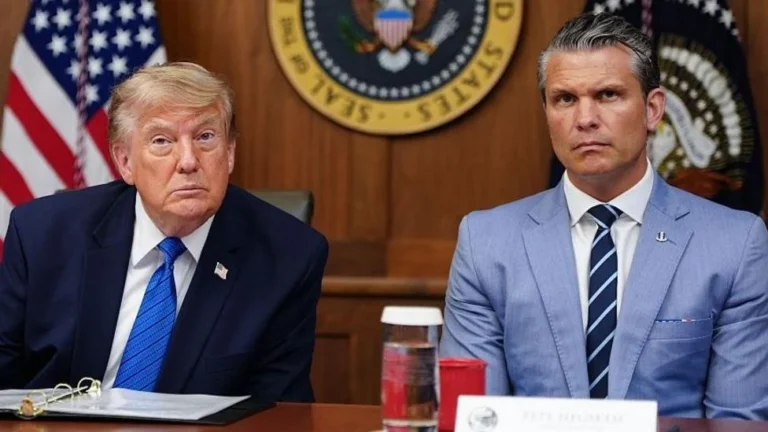
Warsh offered a resilient outlook for the US economy, stating it “appears to have strengthened” despite various shocks. “On that score, both Main Street and Wall Street have been resilient,” he remarked. This perspective contrasts with the current economic data and places him in a delicate position as he navigates pressure from the White House. President Donald Trump has consistently advocated for lower interest rates, a move many economists argue could worsen the current inflation crisis.
A significant shift in policy communication was also announced, as Warsh declared an end to the Fed’s practice of “forward guidance.” He argued that the strategy, which became a staple of the central bank during the 2008 financial crisis, has “overstayed its welcome” as a legacy of past emergencies. This departure marks a break from the tradition established by predecessors like Jerome Powell, who frequently used the Jackson Hole platform to signal future policy shifts.
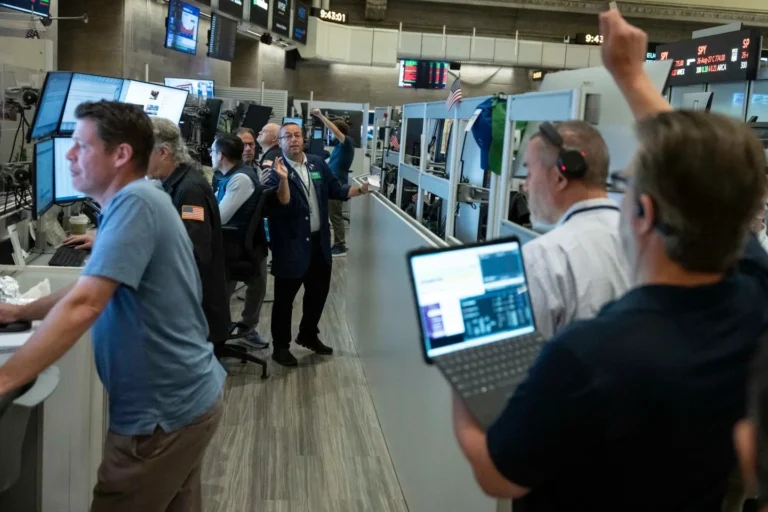
The financial markets reacted to the speech with caution. Treasury yields for two-year and 10-year notes saw slight increases, while the 30-year treasury remained largely unchanged. Equity markets were muted, with the S&P 500 holding steady and the Dow Jones experiencing a minor decline. The bond market remains particularly sensitive to inflation, with 10-year note yields recently hitting their highest levels since 2007, even as the US national debt surpassed $40 trillion for the first time last week.
Internal divisions at the Fed persist, as evidenced by the July board meeting where three of the 12 voting members dissented in favor of a quarter-percentage-point rate hike. While the majority opted to maintain current rates between 3.5% and 3.75%, the market continues to monitor Warsh’s rhetoric for signs of future tightening. The global impact of US policy remains evident, with bond rates in Germany, the UK, France, and Japan also reaching multi-decade highs as they track rising American yields. The report also notes that despite US inflation remaining stubbornly above the central bank’s 2% target amid the war in Iran, warsh did not indicate where the Fed will take interest rates in the coming months. The report also notes that saying that the practice was adopted by the Fed during the 2008 financial crisis, but Warsh on Friday insisted the days of such “forward guidance” were over. The report also notes that after hitting a three-year high of 4.2% in May, US inflation cooled to 3.4% in July – still 1% higher than figures seen last year. The report also notes that though the relief proved to be temporary, yields briefly went down after the US treasury announced a big debt buy-back scheme.




Comments