
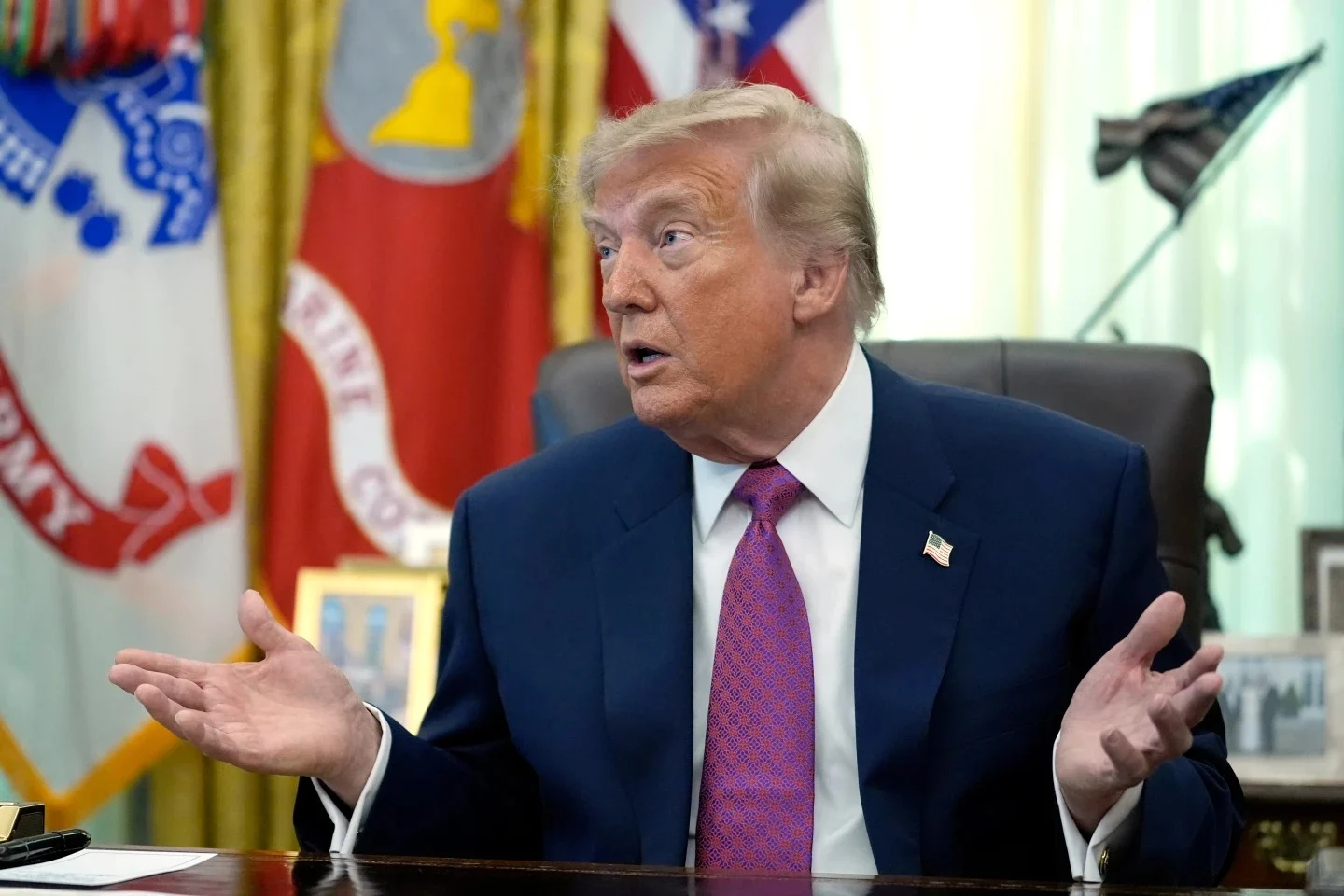
President Donald Trump faces a complex political moment as the U.S.-Israel conflict against Iran reaches its six-month anniversary. Despite his initial campaign promises to avoid “endless wars” and his early assertions that the conflict would conclude quickly, the president now maintains that he is “not in a hurry” to force a return to the negotiating table. Trump continues to argue that his administration’s strategy of targeted bombing and naval blockades has already severely damaged Iran’s military, leadership, and national economy.
The administration announced this week that it plans to shift its primary focus from direct military engagement to intensified economic pressure. This strategy involves threatening sanctions against any country or entity that continues to trade with Tehran. This pivot comes as the White House weighs the impact of depleted munitions stockpiles, which have raised concerns regarding U.S. military readiness. While the conflict has not involved the deployment of American ground troops into Iran, it has already cost the United States more than $37.5 billion and has negatively affected the president’s approval ratings ahead of the upcoming November elections.
Trump recently shared a social media post featuring an AI-generated image with the caption “MISSION ACCOMPLISHED 2026,” a move that drew comparisons to the 2003 speech by former President George W. Bush. Trump has dismissed such comparisons, emphasizing that his approach is distinct from the yearslong campaigns in Iraq and Afghanistan. Regarding the effectiveness of his current tactics, the president told reporters on Thursday that Iran is struggling, noting, “They’re not paying their troops. They’re in deep trouble. They have very little capacity.” He added, “We don’t want to speak to them. We’re not looking to meet or anything.”
The administration’s focus on economic strangulation is intended to isolate Tehran, though the policy faces international pushback. China, Iran’s largest oil buyer and trading partner, has publicly opposed what it terms “illegal unilateral sanctions.” When asked if he intended to sanction Chinese banks, Trump offered a cryptic response, telling reporters, “Who said I’m not? You don’t know if I’m doing it. I don’t have to announce everything, do I?”
Diplomatic efforts led by mediators in Qatar and Pakistan remain active, with Qatari Prime Minister Sheikh Mohammed bin Abdulrahman Al Thani visiting Tehran this week to discuss a potential plan involving Oman. However, the White House has shown little interest in reviving the preliminary June deal, which collapsed after Iran resumed certain activities. Trump remains confident in the efficacy of the naval blockade, asserting that the U.S. has successfully prevented Iranian oil from reaching global markets.
Despite the administration’s claims, some experts warn that the strategy may underestimate Iran’s resilience. Aarathi Krishnan, a geopolitical risk analyst at RAKSHA Intelligence Future, noted that while decades of sanctions and recent strikes have battered the Iranian economy—which saw per-capita income drop from $8,000 in 2012 to $5,000 in 2024—the regime has a long history of adapting through opaque financial networks and discounted oil sales. Krishnan cautioned that the current administration may be miscalculating the regime’s ability to endure further pressure.
The president is scheduled to spend Friday in Houston to honor the Artemis II NASA crew, marking a departure from the regional focus of the conflict. As the administration continues to calibrate its use of sanctions, officials like senior Iran adviser Richard Goldberg are helping navigate the economic risks associated with the ongoing blockade and the potential for further escalation in the Strait of Hormuz. The report also notes that a notable milestone for a conflict that the Republican leader repeatedly assured Americans would be a “little excursion” lasting a matter of weeks, wASHINGTON (AP) — President Donald Trump arrives at an awkward moment for his presidency on Friday as the U.S.-Israel war against Iran reaches the six-month mark. The report also notes that military readiness in other parts of the globe. The report also notes that as the conflict grinds on, Trump’s talk of finding a quick end to the war also appears to be fading. The report also notes that where he’ll honor the Artemis II NASA crew for their 10-day mission around the moon earlier this year, the president is spending Friday in Houston. The report also notes that on its face, the moment is complicated for the “America First” leader who fiercely criticized his White House predecessors for wasting American taxpayer money and U.S. The report also notes that troops’ lives in Middle East conflicts and vowed on the campaign trail to keep the military out of “endless wars.”.





Comments