
The jury tasked with deciding the fate of Lindsay Clancy began a seventh day of deliberations on Friday, following an unusual development in the courtroom. On Thursday, the jury foreperson submitted a note to Judge William Sullivan, alleging that a single member of the panel was refusing to adhere to the court’s specific instructions regarding the definition of reasonable doubt.
This disclosure provided a rare look into the internal challenges facing the jury as they weigh whether the Massachusetts mother is criminally responsible for the 2023 deaths of her three young children. The case has drawn significant public attention, highlighting complex questions surrounding maternal mental health. Defense attorneys contend that Clancy was suffering from a severe case of postpartum psychosis—a rare condition affecting roughly 1 to 2 out of every 1,000 women—which they claim caused her to hear voices instructing her to kill her children before attempting to take her own life. Prosecutors, however, maintain that the 36-year-old former labor and delivery nurse was fully aware of her actions, noting that she sent her husband on errands to clear the home before the incident occurred.
The jury has twice informed Judge Sullivan that they were unable to reach a consensus. In response to the note received Thursday, the judge conducted private, individual interviews with each juror before re-reading his instructions, emphasizing that the prosecution bears the burden of proof and that reasonable doubt does not equate to proof beyond all possible doubt.
Judge Sullivan ultimately declined a request from defense attorney Kevin Reddington to remove the juror in question. “Reading that note carefully and strictly,” the judge stated, “that note does not indicate this is a person who refuses to follow the law.” He further noted that he did not believe it was appropriate to take sides in the deliberation process, reminding the panel that they had previously sworn to follow his legal instructions.
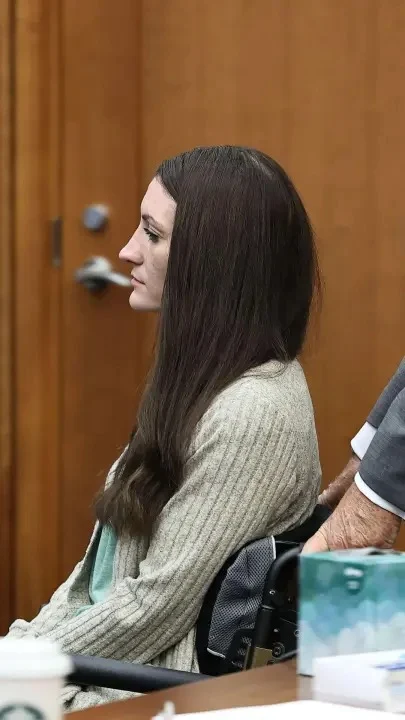
During the proceedings, Clancy, who uses a wheelchair due to paralysis resulting from her suicide attempt, was brought to the front of the courtroom to join a sidebar conference with the judge and legal counsel. Her attorney, Kevin Reddington, noted that she has a right to be informed of the ongoing developments in her case.
If the jury remains unable to reach a verdict, the judge could declare a mistrial, forcing prosecutors to determine whether to pursue a new trial, drop the charges, or negotiate a plea agreement. Should the jury find Clancy criminally responsible, she could face convictions for murder or manslaughter. Conversely, an acquittal could still lead a judge to order her confinement in a mental health facility if she is deemed a danger to the public.
Editor’s note: This report discusses sensitive topics including self-harm. Resources for those in need are available by calling or texting 988 in the United States. The report also notes that the extraordinary disclosure made in the form of a note delivered to the judge offered the clearest glimpse yet of what may be keeping jurors from reaching a verdict on whether the Massachusetts mother is criminally resp. The report also notes that the youngest just 8 months old, then tried to take her own life, clancy’s attorney said she was suffering from a rare condition called postpartum psychosis when she strangled her kids. The report also notes that “I don’t feel it is proper for me to side with one side or the other of the deliberations,” the judge said Thursday. The report also notes that deeply dividing the public and drawing attention to issues around maternal mental health after childbirth, the trial has generated intense interest for more than a month. The report also notes that the national suicide and crisis lifeline in the U.S, if you or someone you know needs help. The report also notes that he reminded jurors that the burden of proof is on the prosecution before sending them back to continue deliberating. The report also notes that “I don’t feel it’s appropriate for me to say, ‘I agree with one juror or the 11.’ I have asked if they are able to follow my instructions.

Comments