
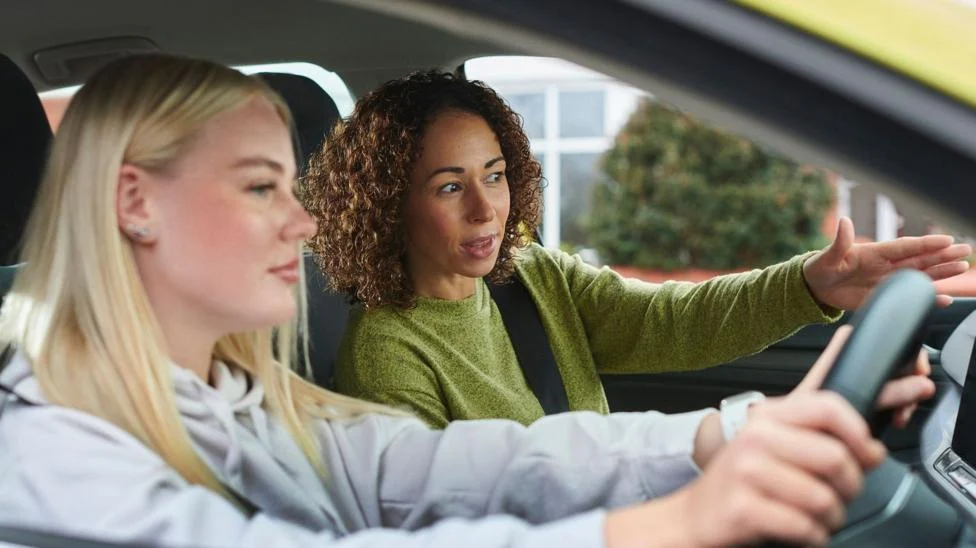
Learner drivers across the country are continuing to face significant hurdles, with average wait times for practical driving tests remaining at approximately 20 weeks, or five months. While the Driver and Vehicle Standards Agency (DVSA) has implemented various measures to address these backlogs, the latest figures for August show only a marginal improvement from the 20.2-week average recorded in July. Furthermore, the average duration between the initial booking and the actual test date remains stagnant at 11.1 weeks.
The government previously set a goal to reduce average waiting times to seven weeks by the end of last year. Transport Secretary Heidi Alexander subsequently pushed this target to the summer of 2026, though she later acknowledged that even this revised timeline would be unattainable.
Recent Regulatory Changes
- Booking Access: Only the learner driver can now book a test, preventing instructors or third-party services from using a student’s personal details to secure slots.
- Geographical Limits: Learners are restricted to booking tests at their three nearest local test centres, ending the practice of traveling across the country to find earlier availability.
- Swap Restrictions: The DVSA has implemented new limits on the number of times a candidate can reschedule their test date.
For many learners, the process remains a source of intense anxiety. Nineteen-year-old Lucy Rend, who has been learning to drive for two-and-a-half years in south east London, described the grueling routine of waking up at 5:45 a.m. to access the booking portal by 6:00 a.m. Even then, she often found herself 21,000th in the digital queue. She noted that many of her peers have simply given up on the process entirely, and she feels immense pressure to pass her upcoming test to avoid repeating the exhausting search for a new slot.
Despite the ongoing delays, the DVSA reported that over 2.13 million practical tests were conducted in the 12 months leading up to August 2026, marking the highest rolling 12-month volume on record. DVSA chief executive Beverley Warmington stated that while there is more work to be done, the current figures indicate that their recovery plan is functioning. Carly Brookfield, chief executive of the Driving Instructors Association, acknowledged this progress but emphasized that the pressure remains acute for both students and trainers, noting that a truly recovered service must provide accessible slots whenever they are needed.
Driving instructor Adem Veli, who has operated his school for 16 years, highlighted the negative impact these long waits have on student confidence. He explained that before the pandemic, instructors could plan lessons around a chosen test date, whereas now, a failure can result in a six-month wait to rebook. While he praised some of the DVSA’s recent changes, he warned that the market for illicit test bookings persists. Despite the agency’s efforts to curb third-party interference, Veli reported receiving weekly solicitations from entities attempting to sell test slots, and he consistently advises students to avoid such scams. The report also notes that lucy Rend is 19 and lives in south east London and has been learning to drive for two-and-a-half years. The report also notes that it meant getting up at 5.45am everyday to get on the DVSA for 6am. The report also notes that then I’d be 21,000 in the queue,” she said. The report also notes that it was very hard but randomly one popped up. The report also notes that so would rather pass this one and then it is done, rend: “I feel lots of pressure to pass because if I don’t pass I will have to go through all that again and try find another test. The report also notes that her friends are also struggling to book a test and “most of them have given up and not going to bother anymore”. The report also notes that the ultimate measure of recovery has to be a testing service that learners and the professional training community can access when they need it,” she said.



Comments