
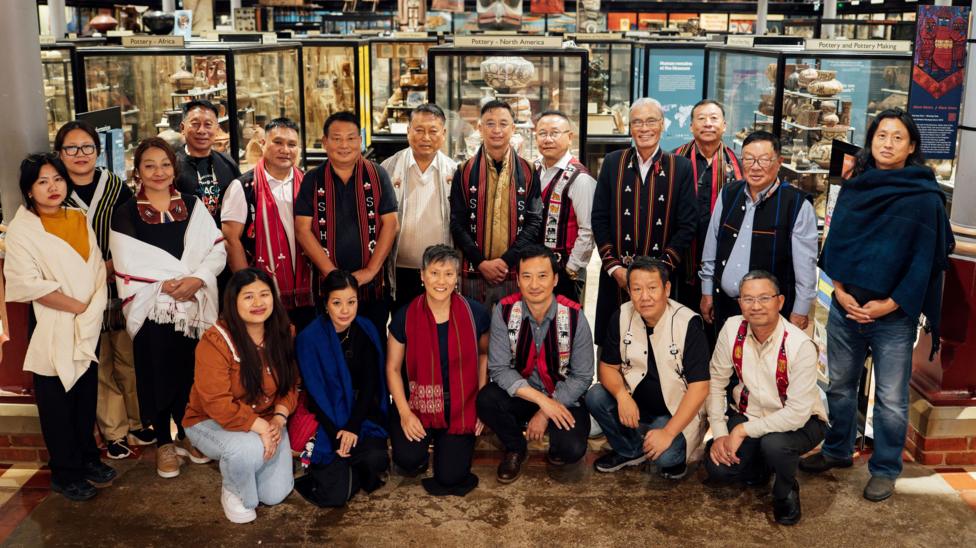
The Pitt Rivers Museum in Oxford has confirmed it will return 39 sets of ancestral human remains to the Naga people, marking a significant step in the institution’s ongoing decolonisation process. These remains, which include skulls and bones taken from northeastern India and Myanmar during the era of British colonial rule, have been held in the museum for over a century.
The decision follows a formal resolution by the University of Oxford Council. This move comes after a specific request was made by a Naga delegation during their visit to the museum in 2025. Dr. Vihuto Asumi, President of the Sumi Hoho Naga tribe, expressed the profound significance of the repatriation, stating, “They’ve been here in a foreign land for more than a century.” He added that the community believes the return will provide spiritual healing for the ancestors and those who perished during the region’s historical head-hunting era.
The Pitt Rivers Museum houses the world’s largest collection of Naga artefacts, totaling several thousand items. Much of this collection was gathered by John Henry Hutton, an anthropologist and colonial administrator in the Indian Civil Service, who donated the items to the museum over 100 years ago. Within this vast collection, 219 items are categorized as human remains, including the 39 ancestral sets now slated for return and 178 objects believed to contain human hair.
In 2020, the museum initiated a broader decolonisation effort by removing all human remains from public view, including those of the Naga. Reflecting on the lengthy process, museum director Prof. Laura Van Broekhoven stated, “It has been a long journey to get to this moment.” She acknowledged the complex emotions surrounding the handover, noting that the week would be marked by both grief for the past and hope for future reconciliation.
Currently, the museum is coordinating with a Naga delegation to organize an official handover ceremony. Following this event, the Naga representatives will accompany the remains on their journey back to their ancestral homeland, allowing many of the ancestors to return for the first time in over a century. The report also notes that we believe it will bring spiritual healing, not only to the ancestral remains here but to everyone who died during the head-hunting days, we believe that their spirits are still not at rest – so by doing this. The report also notes that and follows a declaration made by a Naga delegation visiting Oxford in 2025, in which the group requested the objects be returned, the latest announcement concerns only the ancestral remains.






Comments