
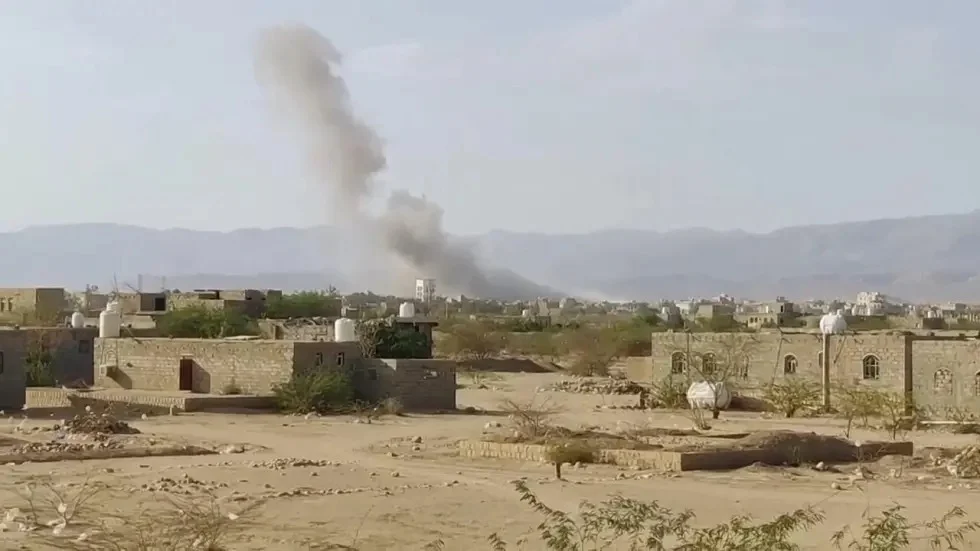
Yemen’s Iranian-backed Houthi rebels launched a coordinated wave of missile and drone strikes against Saudi Arabia on Tuesday, causing more than 70 injuries and sparking fires at critical energy and utility infrastructure. The assault marks a significant escalation in the ongoing conflict between the regional power and the militant group, threatening to further destabilize a region already strained by years of warfare and global economic uncertainty.
The Saudi-led coalition, which is engaged in the conflict, reported that the rebels targeted “civilian and economic facilities” across the cities of Abha, Jazan, Najran, and Khamis Mushait. Maj. Gen. Turki al-Malki, a spokesperson for the coalition, confirmed that 73 people, including women and children, were wounded in the strikes. Describing the event as a “serious escalation,” al-Malki vowed that the kingdom would respond firmly to the aggression.
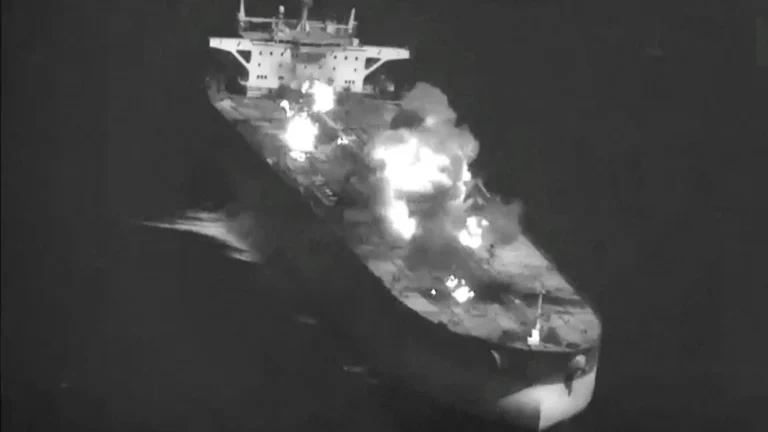
Saudi Arabia’s Energy Ministry announced that the attacks ignited fires at several southern oil facilities and utilities, forcing a temporary suspension of operations. The southern region is home to vital infrastructure, including a 400,000-barrel-per-day refinery in Jazan, one of the largest in the country. Firefighting crews were deployed to manage the blazes throughout Tuesday morning.
Houthi military spokesperson Brig. Gen. Yahya Saree claimed responsibility for the operation, stating in a prerecorded video that the group fired dozens of ballistic missiles and drones at economic sites and the King Khalid Air Base. Saree specifically identified the Jazan City for Primary and Downstream Industries as a target, framing the strikes as a response to Saudi military actions.
The latest violence followed a deadly airstrike earlier in the day that hit a prison in Yemen’s northern Jawf province, which the rebels blamed on Saudi forces. That strike resulted in at least seven deaths, including a child, and left seven others injured. While visiting Moscow, Saudi Foreign Minister Prince Faisal bin Farhan condemned the Houthi provocations during a briefing with Russian counterpart Sergei Lavrov, asserting that the kingdom would not hesitate to defend itself against such violence.
The surge in hostilities has effectively ended a 2022 truce that had previously quieted the front lines. The conflict, which began in 2014 when the Houthis seized the capital, Sanaa, has claimed at least 150,000 lives according to UN estimates. Recent ground battles have intensified, with the World Health Organization reporting 194 deaths and over 880 injuries between August 23 and September 5. Furthermore, the United Nations notes that more than 21,000 people have been displaced in the last 27 hours, particularly in the southwestern provinces of Taiz and Hodeida.
Abdusattor Esoev, head of the International Organization for Migration’s mission in Yemen, highlighted the humanitarian toll, noting that many families are arriving at shelters with nothing, often having been displaced multiple times. The current instability is linked to a failed attempt by the Houthis in July to land a plane in Sanaa, which triggered a coalition strike on the airport runway and subsequent retaliatory attacks on Saudi shipping and territory.
As government forces attempt to reclaim territory in Hodeida, Taiz, Jawf, Marib, and Bayda, the Houthis continue to act as part of a broader network of Iranian-backed proxies. These groups have increased their regional operations against shipping, Israel, and neighboring states, aligning their actions with the ongoing wars in Gaza, Lebanon, and the U.S.-Iran conflict. The report also notes that which began in 2014 when the Houthis seized the capital, Sanaa, and much of northern Yemen and forced the government into exile, the new fighting has threatened to reignite the country’s civil war. The report also notes that it also displaced more than 21,000 people, including 18,500 in Taiz and Hodeida in southwestern Yemen, over the past 27 hours, according to the United Nations. The report also notes that the attack was a major escalation in renewed fighting between an important U.S. The report also notes that weeks of clashes have added pressure to limited global oil supplies as the Houthis target a shipping route Saudi Arabia has used to transport oil to world markets while the Strait of Hormuz is throttled due to the U.S.-Iran war. The report also notes that the Bab el-Mandeb, a strategic waterway off the southern tip of the Arabian Peninsula that connects the Red Sea to the Gulf of Aden, tuesday’s attacks hit Saudi oil facilities connected to an alternative route.







Comments