

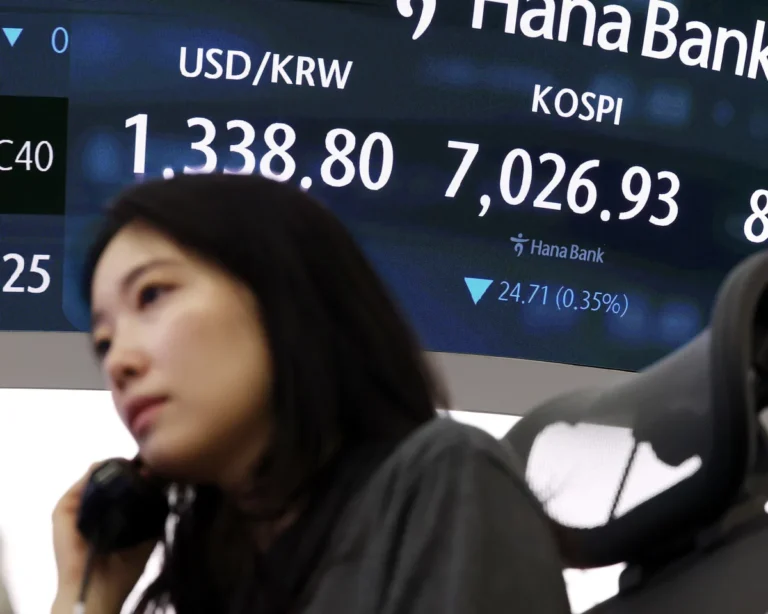
Global economic stability is facing renewed pressure as rising energy costs and persistent inflation force central banks to reconsider their borrowing rate strategies. The European Central Bank recently increased its interest rates to 2.5%, citing the ongoing Middle East conflict and warning that inflation is expected to remain well above its 2% target for the foreseeable future.
The US Federal Reserve is scheduled to make its next policy decision on Wednesday. Having maintained rates between 3.5% and 3.75% for five consecutive meetings, the Fed now faces a complex landscape. Inflation currently sits at 3.4%, accompanied by a robust jobs market. Furthermore, the conflict between the US and Iran has significantly disrupted shipments through the Strait of Hormuz, a critical global energy artery. Brent crude prices have climbed to approximately $105 (£78) per barrel, nearing levels observed at the start of the war.
President Donald Trump has suggested that oil prices are unlikely to decrease until the conflict concludes, an event he anticipates will occur following the November elections. Despite this outlook, many analysts on Wall Street are betting on a rate hike this month. Economists at Deutsche Bank have identified a rate increase as the most likely outcome, pointing to recent remarks from Fed Chair Kevin Warsh and other board members emphasizing the necessity of curbing price growth.
While Fed Chair Warsh has not explicitly signaled his intentions, his consistent focus on slowing inflation has fueled market expectations for a hike. However, not all analysts agree; Grace Zwemmer of Oxford Economics anticipates that rates will remain steady, though a rate cut is widely considered off the table for the time being.
President Trump continues to advocate for lower interest rates, recently urging the Fed board on social media to act as “patriots” and adopt a more accommodative stance. This creates a challenging environment for the central bank, which must balance the need to curb inflation against the risk of discouraging business investment and hiring.
The broader economic impact of these energy costs is significant. Beyond direct fuel expenses, higher energy prices increase the cost of transporting goods, which is frequently passed on to consumers through higher prices for food and essential staples.
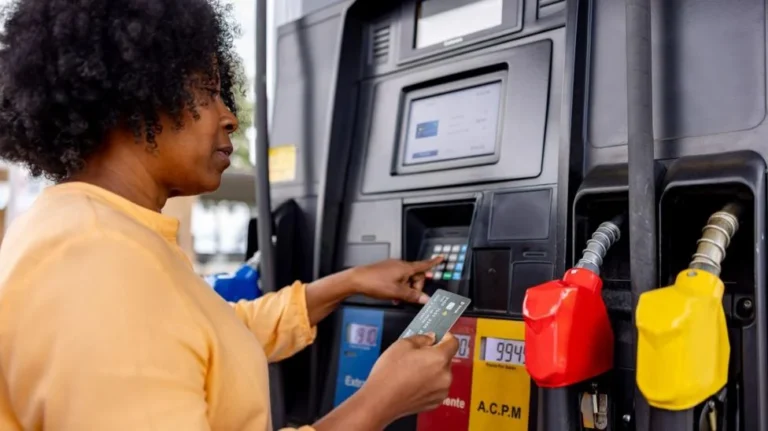
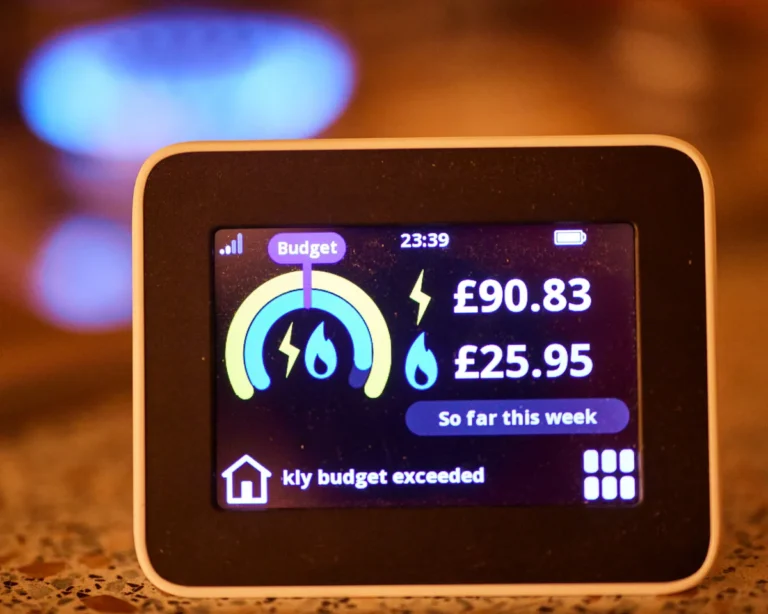
Central banks typically utilize higher interest rates as a tool to dampen inflation by increasing the cost of borrowing for mortgages and credit cards. This strategy aims to reduce consumer spending and encourage saving, though officials remain wary of the potential to stifle economic growth if rates are pushed too high. The report also notes that there’s nothing like talk of energy prices and potential higher borrowing costs to remind us that the summer holidays are well and truly over. The report also notes that and concerns remain over whether the economic impact of the US-Iran war will drive the cost of living higher, surging oil prices have been pushing up what drivers pay at the fuel pumps and eating away at household budgets for months.




Comments