
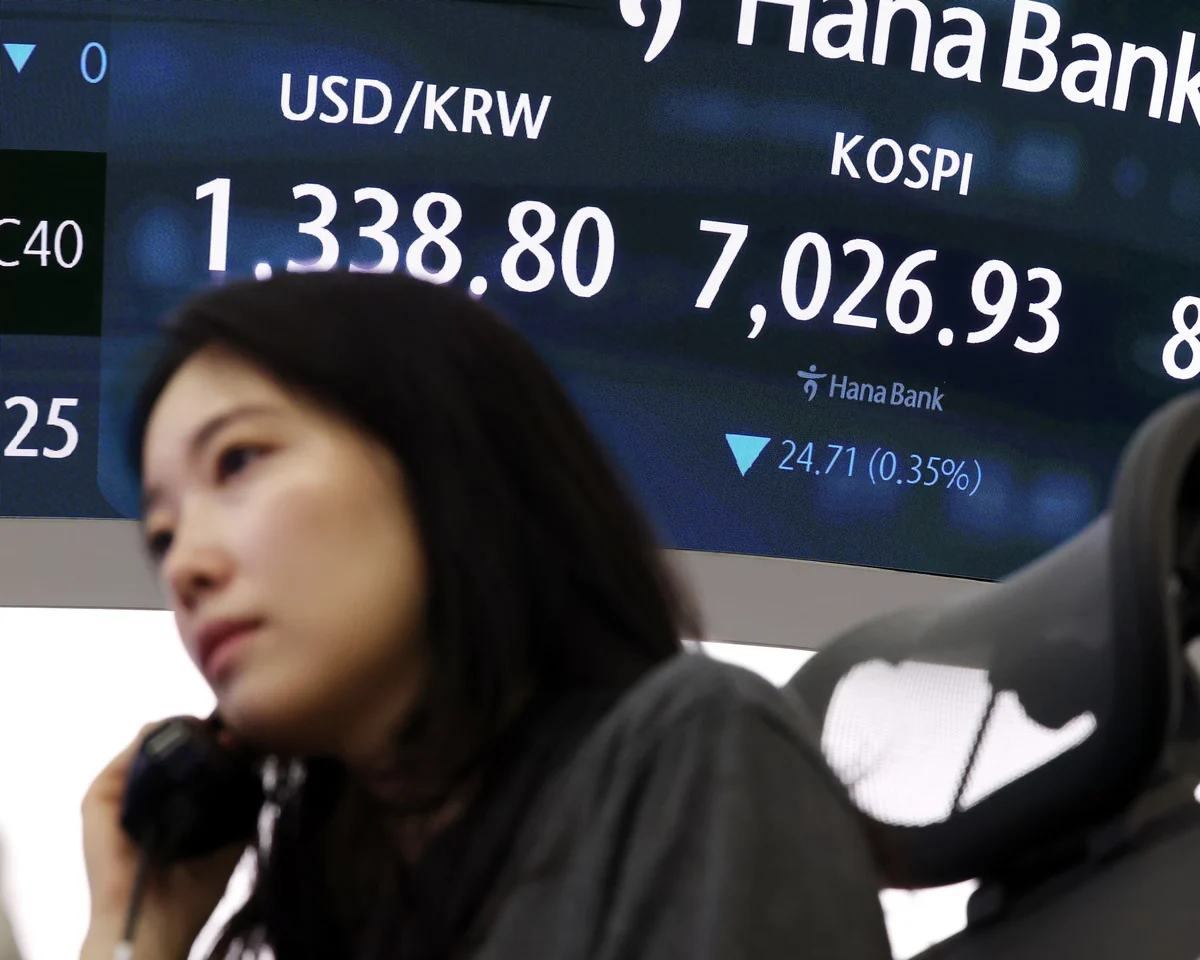
Global financial markets are facing renewed volatility as a sharp rise in oil prices fuels investor anxiety over persistent inflation. On Thursday, the price of crude oil climbed 6% to surpass $107 per barrel, driven by fears that Houthi rebel activities along the Red Sea coast in Yemen could disrupt Saudi Arabian crude exports.
This surge in energy costs has reignited a global bond sell-off, compounding existing market concerns regarding unsustainable levels of government borrowing. The resulting upward pressure on yields has intensified as investors weigh the potential for prolonged inflation against the backdrop of ongoing conflict in the Middle East.
The European Central Bank responded to the shifting economic landscape by raising its main interest rate to 2.5% on Thursday. ECB President Christine Lagarde noted that inflation is expected to remain above target for an extended period, stating, “We believe inflation will be longer lasting than we had anticipated.”
In the United Kingdom, the yield on 10-year government bonds rose above 5.37%, marking the highest borrowing cost since 2007. This development creates a significant challenge for Chancellor John Healey ahead of his first budget on 28 October. Higher debt-servicing costs threaten to limit the Treasury’s fiscal flexibility and increase the expense of future investment projects.
While Healey has pledged to maintain fiscal discipline to curb inflation, the government faces mounting pressure to support households struggling with rising energy bills. The RAC reports that unleaded petrol prices have increased by 6p per litre since early September, and some lenders have already begun raising mortgage rates in anticipation of further inflationary pressure.
Across the Atlantic, US markets are experiencing similar strain, with 10-year Treasury yields reaching 4.92%—the highest level since 2023. Despite US Treasury Secretary Scott Bessent’s attempt to stabilize the market by buying back $6bn in government debt on Wednesday, investors responded by accelerating the sell-off.
Kyle Rodda, a senior financial market analyst at Capital.com, suggested that long-term stability in yields requires substantive macroeconomic policy changes, such as reduced government spending or interest rate adjustments by the Federal Reserve. Meanwhile, Donald Trump has suggested that the conflict with Iran might persist until “immediately after” the November US midterm elections, at which point he expects oil prices to be “tumbling downward.”
The US Federal Reserve is scheduled to meet next week under new chair Kevin Warsh. Markets anticipate a potential rate hike, a move that has drawn sharp criticism from Trump, who recently posted on TruthSocial that the Fed board must “BE PATRIOTS for a change.”
Despite these headwinds, the UK economy demonstrated resilience in the first half of the year, recording the strongest growth among G7 nations. Bank of England policymakers are expected to keep the key interest rate at 3.75% during their meeting next week as they continue to assess the broader economic impact of the current energy price shock. The report also notes that healey has promised to provide a “breathing space” for UK households while also addressing the cost of doing business. The report also notes that however, he also sought to tame bond market fears by committing himself to “controlling borrowing to bear down on inflation, and reducing long-term pressures on our public finances”, in a speech on Monday. The report also notes that the prospect of higher energy bills as oil and gas prices rise is likely to intensify pressure on the government to help consumers to weather the winter, at the same time. The report also notes that in the US, where Trump has promised to write a $5,000 (£3,700) cheque for every adult citizen if the Republicans win the midterms, Thursday’s sell-off pushed up the yield on 10-year borrowing to 4.92% – the highest since 2023. The report also notes that with 30-year yields hitting the highest level since 2007, despite the US treasury secretary, Scott Bessent, intervening directly in debt markets on Wednesday, the cost of longer-term borrowing also continued to surge. The report also notes that who has repeatedly demanded rate cuts, markets are expecting a rise – potentially enraging Trump. The report also notes that including on inflation, jobs and growth, will give an updated snapshot of how resilient the British economy has been in the face of the Iran war, a plethora of UK data to be published over the next week.







Comments