
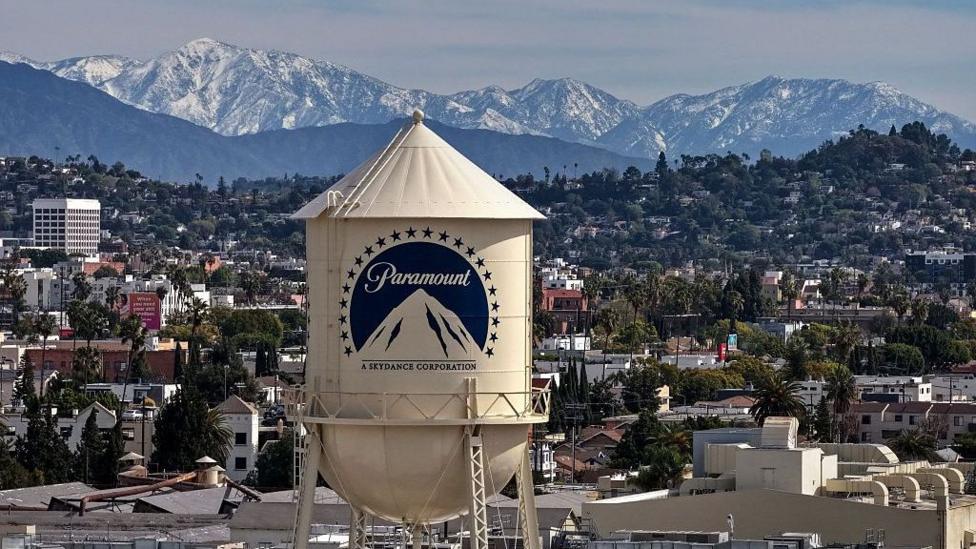
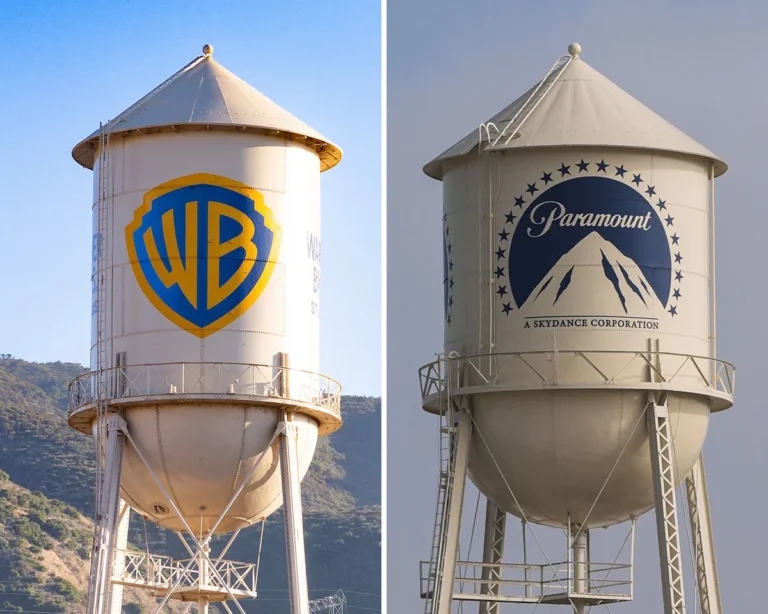
Paramount Skydance has finalized a legal settlement with a coalition of 12 US states, removing a significant barrier to its massive $110bn (£82.8bn) merger with Warner Bros Discovery. The deal, which aims to reshape the Hollywood landscape by integrating legacy studios and national networks, had been stalled by legal challenges led by California Attorney General Rob Bonta, alongside states including Arizona, Colorado, and New Jersey.
Under the terms of the settlement, Paramount is now obligated to produce a minimum of 30 films every year. To ensure the deal promotes domestic economic growth, the company must guarantee that at least 20% of all film production occurs within the US during the first two years, with that quota increasing to over 30% for the subsequent three years. Failure to meet these production requirements would trigger penalties, specifically requiring the studio to sell off its 49% stake in Miramax.
Addressing concerns regarding the quality and origin of these productions, Bonta confirmed that the agreement includes strict guardrails against AI-generated content. The oversight ensures that the output consists of genuine, robust motion pictures intended to boost employment across the film industry. To guarantee ongoing adherence to these commitments, an independent monitor will be appointed to oversee the company’s compliance.
Paramount Chief Executive David Ellison welcomed the resolution, stating, “We have complete clearance for this merger and look forward to putting these commitments into action.” He added that the team’s shared goal was to create an outcome serving consumers, workers, and the creative community. Ellison noted that the company has now successfully addressed concerns raised by both state attorneys general and the Writers Guild of America (WGA).
Despite the settlement, the WGA maintained its opposition, expressing belief that the merger will ultimately cause damage to writers and the industry. The guild confirmed it reached a separate resolution only because, as a non-profit, it could not sustain a prolonged legal battle without government assistance. As part of that agreement, Paramount will pay $17.5m into the WGA health fund, cover legal fees, and provide a five-year prohibition on writer layoffs at CBS News Broadcast.
California’s Attorney General emphasized that while the settlement is “not a vote of support for this merger,” it transforms the deal into a job-creation mechanism. Bonta estimated that the project would generate between $300m and $1.5bn in additional economic activity for domestic film and television production. He further suggested that if Congress enacts a federal film tax credit, these production commitments could potentially surge by as much as 700%.
Bonta clarified that while Ellison had previously suggested keeping the headquarters in California, no such commitment was codified in the legal agreement. Despite rumors of potential relocation, the current settlement focuses exclusively on production quotas and economic benchmarks to safeguard the industry’s future. The report also notes that workers and – most importantly -the creative community so vital to the art of visual storytelling,” he said, our shared aim was an outcome that best serves consumers. The report also notes that robust movies” that generate economic activity and put people back to work, he added, officials wanted to guarantee “real.




Comments