
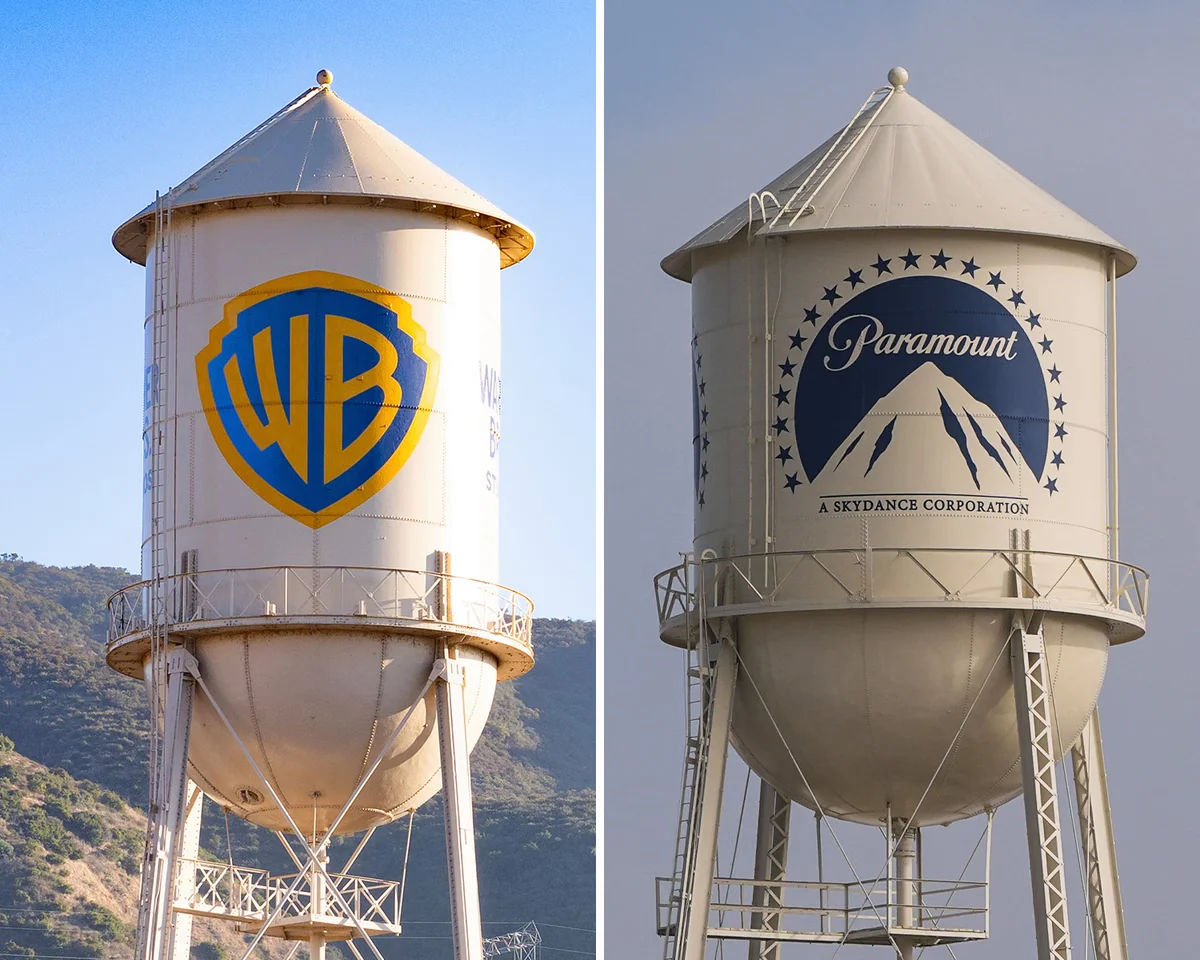
Paramount has secured a settlement with a coalition of 12 US states that had previously challenged its proposed $81 billion merger with Warner Bros. Discovery (WBD). The agreement, announced Monday by California Attorney General Rob Bonta, effectively removes a major legal obstacle to consolidating prominent Hollywood studios and television networks under a single corporate entity.
Although the US Justice Department greenlit the merger in June, the state coalition—led by California—had filed an antitrust lawsuit. The plaintiffs argued that merging two of Hollywood’s five remaining legacy studios would “extinguish competition” and potentially decrease the availability of movies in theaters and on streaming services. Other holdout states involved in the legal dispute until this past weekend included New York, Massachusetts, Connecticut, and Minnesota.
Bonta clarified that the settlement does not serve as an endorsement of the merger. He stated that the states remain concerned that further consolidation in industries vital to the American economy does not benefit consumers or market competition. Despite these reservations, the deal includes an “enforceable commitment to significantly increase” domestic film production, specifically within Los Angeles. Bonta noted that this requirement is intended to foster job creation and bolster local economic activity.
As part of the terms, Paramount has pledged at least $300 million toward domestic production efforts. The company faces specific financial penalties if the merged entity fails to meet production benchmarks, which require the distribution of 30 films during the first two years and 32 films over the subsequent three-year period. Furthermore, the settlement mandates that CBS and CNN maintain independent editorial boards. According to industry reports, these conditions allow Paramount to retain its cable channels—including MTV, Nickelodeon, and Showtime—rather than divesting them as previously discussed.
A designated trustee will monitor Paramount’s compliance with these commitments, with the legal authority to return to court should the company fail to uphold its promises. Paramount CEO David Ellison expressed gratitude to state officials for their willingness to negotiate a resolution. He maintained that the merger remains “pro-competitive, pro-consumer and pro-worker,” asserting that the combined entity will increase storytelling capacity and consumer choice.
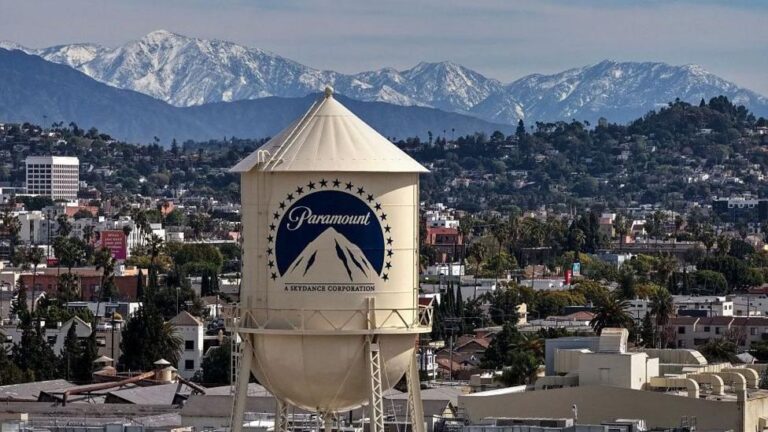
The legal resolution comes at a critical juncture for Paramount, as missing a September 30 closing deadline would have reportedly increased the acquisition price by millions. Recent speculation suggested that the two companies were considering selling off their California studio lots to relocate, a prospect that sparked concern regarding the stability of the local entertainment workforce. While some reports characterized this as a potential exit, others viewed it as a strategic bargaining tactic used during the litigation.
This merger follows the $8.4 billion acquisition of Paramount by Skydance Media last summer, a transaction also spearheaded by Ellison. The company’s recent history has been marked by significant turbulence, including a $16 million settlement with Donald Trump regarding a “60 Minutes” interview with Kamala Harris and the cancellation of “The Late Night with Stephen Colbert.” Furthermore, the appointment of Bari Weiss as editor-in-chief of CBS News has led to ongoing internal controversy and allegations of political bias.
Addressing concerns regarding editorial independence, Ellison stated in a recent guest essay that he does not seek to influence newsrooms to align with his personal views. He emphasized that news organizations should provide objective, fact-based reporting and that journalists should remain accountable to the public rather than political interests. Bonta, meanwhile, acknowledged that he remains wary of how the merger might impact the journalistic integrity of CNN, which is part of the WBD portfolio. The report also notes that “This settlement is not a vote of support for this merger; it’s not a blessing of the broader merger,” he said. “Broadly speaking, we believe further consolidation in markets that are essential to American economic life doesn’t serve the American economy, consumers or competition well.”. The report also notes that the CEO and owner of Paramount and son of billionaire tech mogul Larry Ellison, said on Monday that he was grateful to Bonta, other state attorney generals and California governor Gavin Newsom for “engaging in good faith to find a path forward to a resolution”, and reiterated his message that the merger would be “pro-competitive, pro-consumer and pro-worker”, david Ellison. The report also notes that “Our goal has always been to build a stronger Hollywood — one with more stories told, greater choice for consumers and stronger competition,” he said in a statement. “Bringing Paramount and Warner Bros. The report also notes that creating expanded opportunity for our people and even more great entertainment for audiences around the world.”, discovery together will build that stronger Hollywood. The report also notes that considering that a closing date past 30 September would have reportedly add millions of dollars to the purchase price, the legal battle has been a headache for Paramount executives. The report also notes that though there was speculation the reports amounted to strategically leaked leverage as the media company sought a bargaining chip in the lawsuit, whispers of Paramount Skydance plotting a California exit had circulated for months.





Comments