
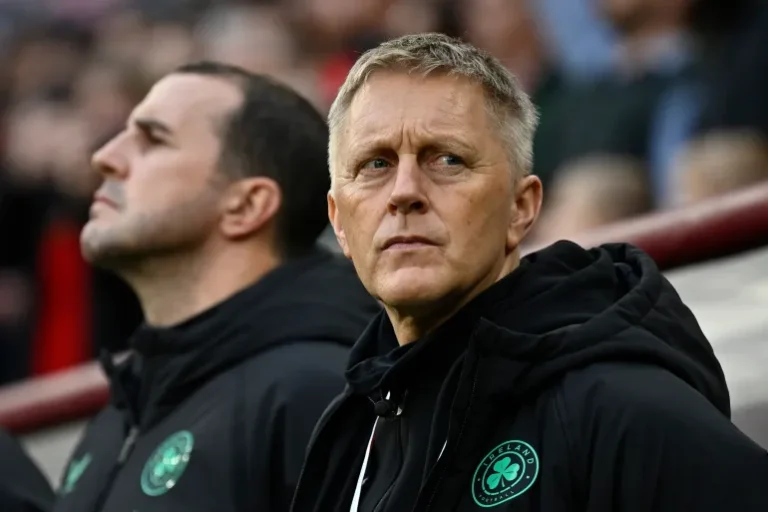
The Republic of Ireland pushed aside a week of significant off-pitch tension to claim a comprehensive 3-0 victory against Israel in their Nations League fixture held in Debrecen. Despite discussions earlier in the week suggesting the match might not take place due to the squad’s internal conflict over the conflict in Gaza, Heimir Hallgrimsson’s side produced a cohesive display. The Irish manager described the build-up as the most challenging period of his coaching career, noting, “But it’s not about me. It’s about the players and they’ve shown today how much playing for Ireland means to them.” No matter how many people wish they were not, football and politics are inseparable in the modern world. But whether the beautiful game can ease the ills of our age is another matter. The outcome of this underwhelming match ultimately felt inconsequential, after a week in which the issue of Irish support for the people of Gaza had turned this fixture into a battle of conscience. Just not because of a boycott, in the end the result was indeed a walkover. Or at least those selected to play, it turned out that a week of internal angst had been enough to produce collective resolve among the Irish squad.
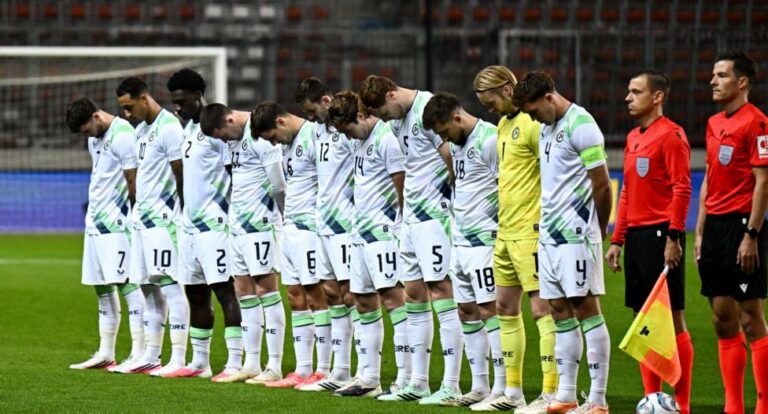
The match atmosphere in Hungary was stark, characterized by near-empty stands reminiscent of the pandemic era. While about 150 Israeli fans attended, the Football Association of Ireland had previously decided against an official away allocation, though a small group of around a dozen Irish supporters managed to watch from a stairway. During the pre-match ceremonies, the Irish staff stood facing away from the pitch, while players wore black armbands and looked toward the ground during the Israeli national anthem. There were no traditional pre-match handshakes or pennant exchanges. As the nominal home side, Israel had been allowed a small delegation of fans, about 150, who were doing their best to be excitable.
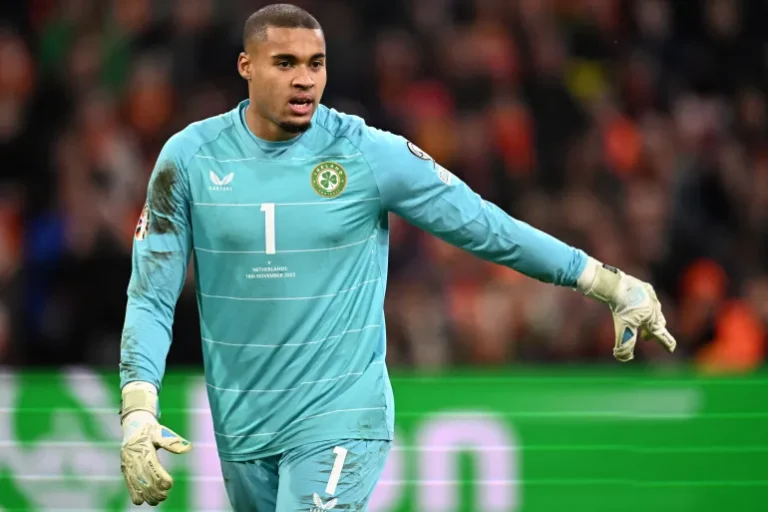
Internal friction nearly derailed the fixture on Saturday, highlighted by goalkeeper Gavin Bazunu’s decision to make himself unavailable for selection. Hallgrimsson responded with five changes to the squad that recently suffered a defeat against Kosovo, including moving defender Jimmy Dunne into a role as a third goalkeeper and benching forward Finn Azaz. Regarding the omission of Azaz, whose mother holds Israeli citizenship and who had been vocal during team discussions, Hallgrimsson stated, “Today we thought others would fit this game better than him.”
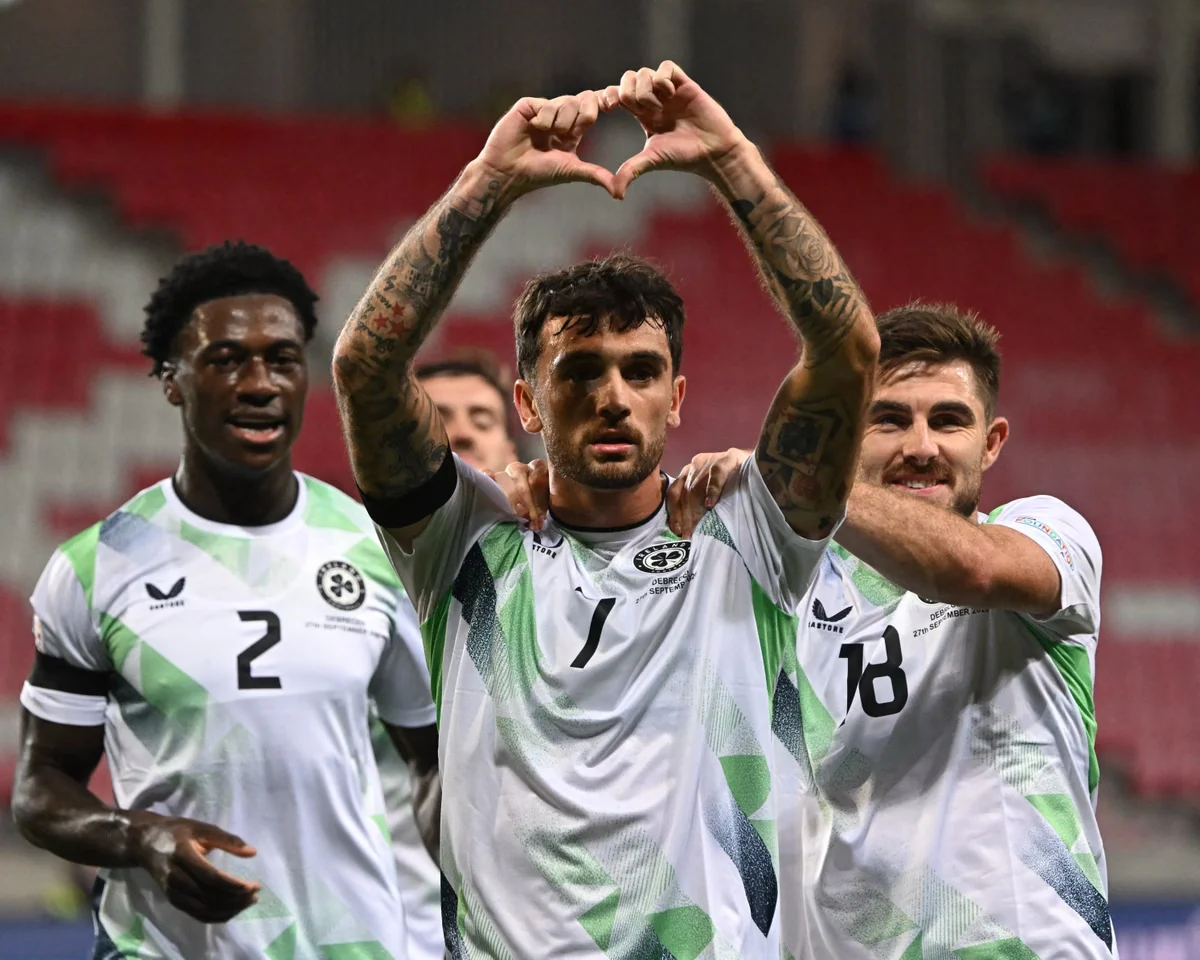
Ireland’s performance on the field was clinical, effectively settling the contest within an 11-minute burst during the first half. Troy Parrott opened the scoring in the 14th minute, firing a low effort through goalkeeper Daniel Peretz after a strong setup from wingback James Abankwah. Adam Idah doubled the lead just two minutes later, finishing calmly after latching onto a through ball from Jack Moylan. In the 25th minute, Moylan added a third—his fourth goal in as many international appearances—by driving into the box and shooting low into the net, an effort he celebrated by kissing his black armband. His fourth in as many caps to continue a stellar start to his international career, driving 25 yards into the box before shooting low into the net, in the 25th minute Moylan got a goal of his own. Their forwards each scored in the first half to settle the contest, with plenty of symbolic action to assure those back home of their feelings, strong and assertive from the off.
Israel struggled to mount a comeback, with substitute Dor Peretz providing their only significant threat, which was saved by Caoimhín Kelleher. The match concluded in a series of minor scuffles, with some of the local crowd chanting for the IDF at the final whistle. Addressing the press afterward, Israel manager Ran Ben-Shimon rejected calls for his resignation. “We didn’t handle the pressure well that is obvious, we failed mentally, we failed tactically,” he admitted, while acknowledging the team would need to find energy for their next match in a few days.
Comments