
In Dublin’s historic Liberties district, Peadar Browns pub usually draws a lively crowd for international football fixtures. However, as kickoff approached for the Republic of Ireland’s Nations League match against Israel on Sunday, the venue remained noticeably quiet. While the bar was packed with patrons, the television screens were deliberately powered off. He expected the number had risen before kickoff as tumultuous events within the Ireland team reverberated around the country. Ireland, a staunch and long-standing ally of the Palestinian cause, has been thrust into the global spotlight over whether the team will play the two scheduled games against Israel.
The decision to darken the screens is part of a growing grassroots protest against the ongoing war in Gaza. Aidan Brown, the owner of the establishment, explained that the policy was finalized weeks ago. “We committed about a month ago not to show any of the upcoming Nations League fixtures until Ireland made a stand against Israel,” he said. “We didn’t show the Kosovo game, and we’ve absolutely no intention of showing the Israel games.”
Brown has been documenting other venues participating in the boycott, reporting that at least 140 pubs in Ireland and abroad have followed suit. He anticipates this figure will continue to climb as the national conversation surrounding the team’s participation intensifies. Many, including Brown, view the current situation as a pivotal moment, comparing the scale of public debate to the famous 2002 “Saipan saga,” when team captain Roy Keane famously left the World Cup squad following a confrontation with manager Mick McCarthy. Brown has been compiling a list of venues refusing to screen the match. It included 140 pubs and bars in Ireland and abroad, at his last count.
This mobilization extends beyond Dublin. In Derry, Delacroix bar owner Liam Doherty echoed the sentiment of many business operators, stating, “It has to come from the bottom up, and it has to come from a small nation. I think that we have to be the one that shows that this is just wrong.” Rebecca O’Keeffe, who chairs Irish Sport for Palestine, noted that the movement has transcended typical boundaries, saying, “It’s a mass movement. It’s reached corners of Ireland that maybe wouldn’t have been engaged with this issue before.” Brown compares the atmosphere in Dublin to one of the most enduring sporting dramas in modern Irish history. According to rebecca O’Keeffe, chair of Irish Sport for Palestine, which has led the Stop the Game campaign,, The past week has shown just how far that mobilisation has spread. We are past the point of symbolic gestures and hollow words.”.
Public polling reflects a significant divide between the fans and the Football Association of Ireland (FAI). Surveys indicate that 76 percent of Irish football supporters oppose the match proceeding, while 63 percent of the Professional Footballers’ Association of Ireland members voted against playing. Despite this, the FAI leadership decided to move forward with the fixtures in July, citing concerns over potential repercussions, such as points deductions from UEFA. Though: none of the televisions were on, with one significant difference.
This decision has drawn heavy criticism from figures like Daniel Lambert, the chief commercial officer for Bohemian FC, who helped lead an unsuccessful push for the FAI to seek Israel’s suspension from international competitions. “It’s been mishandled from the very first day by the FAI,” Lambert stated, arguing that the leadership ignored a clear mandate from its own membership.
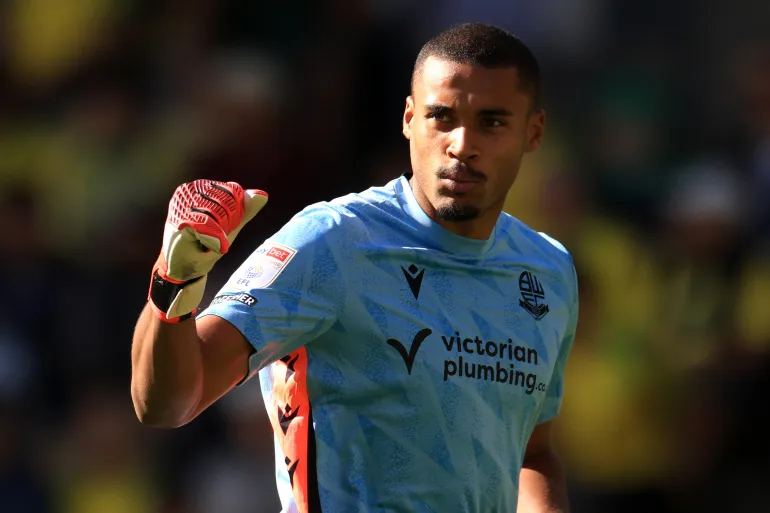
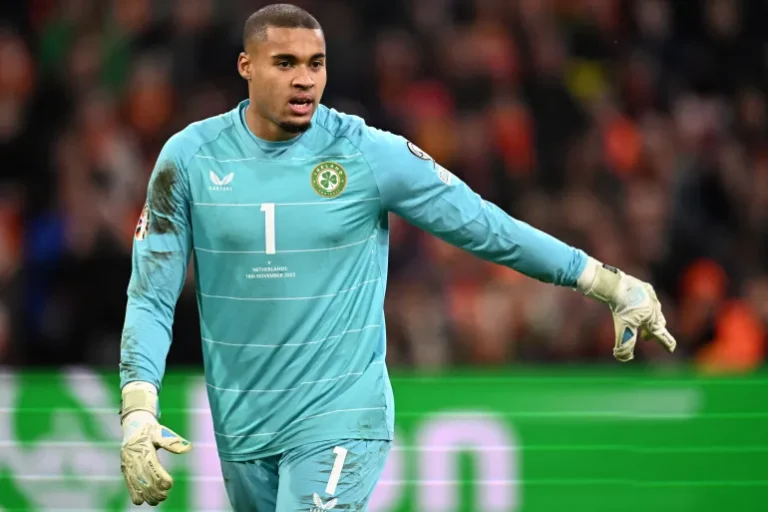
The tension has also impacted the national team squad directly. More than 160 Irish sportspeople signed an open letter requesting a boycott. Coach Heimir Hallgrimsson acknowledged that several players felt “really uncomfortable,” and midfielder Jason Knight publicly expressed that the games should not be played. In a dramatic turn, goalkeeper Gavin Bazunu reportedly voiced his opposition to his teammates. Although the squad voted to play, Bazunu stood by his convictions, remaining the only player to ultimately refuse participation.
Praising the goalkeeper’s stance, Lambert remarked, “To do that on your own in a group of 25 players is staggering courage. He’s represented Ireland more than those 24 players ever will.” Reports have also surfaced regarding pressure placed on players by agents concerned about career consequences, adding another layer of complexity to the national drama.
Susan Shalabi, vice president of the Palestinian Football Association, placed the ultimate responsibility on international governing bodies like FIFA and UEFA for failing to enforce their own regulations. Meanwhile, for those like Lambert, the controversy mirrors a shift seen in the music industry, where artists have withdrawn from tours in solidarity with Palestine. He suggests that the sporting world may be approaching a similar “watershed moment.”
With another Nations League match against Israel scheduled for next week and a game against Austria approaching in Dublin, the pressure on the FAI and the players is expected to mount. As the debate continues, venue owners like Aidan Brown remain steadfast in their commitment to keep their screens blank, insisting that political and moral stands outweigh the importance of the matches themselves.
Comments