
Outside Manchester City’s Etihad Stadium, a silver statue of Sergio Aguero celebrates his iconic last-minute goal that clinched the 2011-12 Premier League title. This moment remains the most famous in English league history, yet the recent revelation that the club has been found guilty of serious financial breaches has prompted fans globally to question the validity of that achievement and many others. Man City guilty of ‘sham’ contracts & misleading accounts. When City snatched the trophy away from Manchester United in the dying seconds of the 2011-12 season, it is the immortilisation of the most famous goal in English league football history. But what if the goal never happened.
City has been found guilty of charges brought by the Premier League three and a half years ago, specifically regarding the use of a “disguised funding scheme.” These findings cast a long shadow over the club’s most successful period between 2009 and 2018, during which they solidified their status as a global powerhouse. Supporters have begun labeling this the “asterisk era,” and there is growing speculation that the club could be retroactively stripped of honors, with some rival teams reportedly seeking legal counsel regarding potential financial compensation.
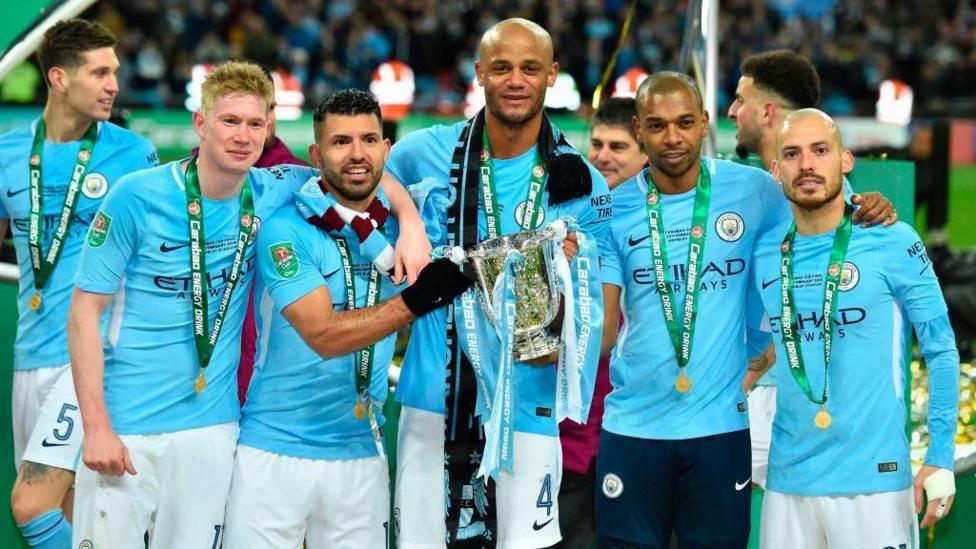
Between the summer of 2009 and January 2018, Manchester City invested approximately £1.2bn into new signings. This massive influx of capital fueled an unprecedented period of success, yielding three Premier League titles, one FA Cup, and three EFL Cups—an era that broke a trophy drought dating back to 1970. Key players integral to this success, such as Sergio Aguero, Kevin de Bruyne, David Silva, and Fernandinho, were brought in during this period of rule-breaking. How key were the players who were brought in, and what does it all mean for both the past and the future, so how exactly did City’s “hugely overstated” income impact their actions in the transfer market. In that time, the club won seven major trophies – three Premier Leagues, one FA Cup, and three EFL Cups – having previously gone without a significant honour since 1970. Multiple were signed for figures in the tens of millions every summer and made a huge contribution to the club’s consistent success. And contrasts it with the amount of money that the commission which has found the club guilty determined had been falsely pumped into the club by its owners, under the guise of sponsorship income, the graphic below demonstrates how much City spent in each summer and across the whole time period.
The independent commission determined that the club engaged in a “concerted campaign to falsify” their accounts to artificially inflate revenue. According to the findings, City falsely added £830m to their financial books. Experts suggest that without this disguised funding, the club would have lacked the financial capacity to sign the quantity and caliber of players that defined their era of dominance. Had that extra £830m been removed, the club’s transfer budget would have been slashed, likely resulting in fewer signings or a significant decline in player quality.
The ambiguity surrounding this period has left the footballing world in a state of “mixed reality.” While the matches were played and the results were recorded, the knowledge of systemic rule-breaking undermines the perceived integrity of those seasons. The implications extend far beyond history, as the current situation creates uncertainty regarding the club’s future, potential point deductions, or even the risk of expulsion from the league.
City now faces a deadline this Friday to lodge an appeal against the verdict. Should this appeal fail, the club faces inevitable sanctions. Until then, fans are left to wonder if the competitive landscape of the Premier League has been compromised. Concerns have been raised over whether the current title race is legitimate, if upcoming transfers are viable, or if the league’s overall popularity will suffer as supporters question whether the action on the pitch can ever be fully trusted again.
The uncertainty also raises broader questions for the game’s future. There is concern over whether other clubs might be currently breaching similar regulations that will only come to light years later. As football authorities consider how to handle the aftermath, the sport grapples with the existential dilemma of whether the achievements of the past decade were real or simply a construct of financial maneuvering.









Comments