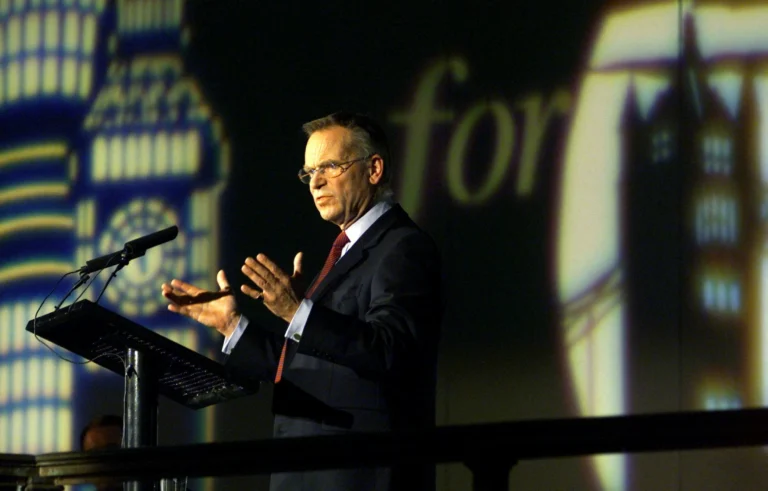
OpenAI founder Sam Altman already has reservations about his upcoming cinematic portrayal. Speaking recently to CNBC about the film “Artificial,” which is scheduled for release this Christmas, Altman shared his thoughts on the project. “I did see the movie trailer,” he said. “I mean, it looks like an awful movie, but I appreciate people’s creativity, and I really do support that.” The tech entrepreneur appeared unbothered by being the subject of such a project, adding that he understands why people feel anxious about technology. “If they need to like project that anxiety on someone or have like a little bit of relief and poke fun at me, it doesn’t bother me,” Altman remarked.
Directed by Luca Guadagnino and starring Andrew Garfield as Altman, “Artificial” is part of an impending wave of films tackling the small, highly influential group of tech founders who shape modern society. Over the coming weeks, moviegoers will see Jeremy Strong portray a rigid and domineering Mark Zuckerberg in “The Social Reckoning,” Aaron Sorkin’s highly anticipated sequel to his 2010 film “The Social Network.” Additionally, director Alex Gibney is releasing “Musk,” an exhaustive four-hour documentary about the world’s richest man. Other upcoming releases include “The Altruists,” a Netflix series detailing the spectacular downfall of imprisoned cryptocurrency founder Sam Bankman-Fried, alongside an upcoming documentary about disgraced Theranos founder Elizabeth Holmes from filmmakers Nathan Fielder and Lance Oppenheim. Audiences will also be treated to Jeremy Strong as a painfully awkward and domineering Mark Zuckerberg in “The Social Reckoning,” Aaron Sorkin’s long-awaited sequel to “The Social Network,” as well as “Musk,” an exhaustive 4-hour documentary by Alex Gibney about the wealthiest man in the world, in the next few weeks.
This surge of critical films marks a dramatic shift in how the public views Silicon Valley. Tech founders were once widely celebrated as visionary figures destined to guide humanity into a seamless era of connection and productivity. However, that optimism has faded as the tech sector faces widespread scrutiny. This cultural shift is reflected in public sentiment; a recent poll revealed that a vast majority of Americans now feel more concerned than excited about artificial intelligence and the proliferation of data centers. As AI continues to threaten creative industries, film scholar Joe Street, author of “Silicon Valley Cinema,” points out that “Hollywood is really quite threatened by Silicon Valley at an industrial level.” He views these critical movies as “almost like a warning to us, but also it’s a way of them reasserting Hollywood’s importance in our culture.”
According to Katie Drummond, the editor-in-chief of WIRED, the current cinematic trend taps into a deep-seated public frustration. Drummond explained that the films reflect a “well-founded resentment from so many Americans that they are watching these elites, these people who live in a bubble, who are wealthier than God, wealthier than they will ever be, foist technology on them that they don’t necessarily want in their lives.” She noted that audiences have few ways to vent these feelings, making cinema a vital outlet. “Wouldn’t it be nice on a Friday night to go see a movie that allows you to sort of channel some of that fury towards Jeremy Strong as Mark Zuckerberg, or Andrew Garfield as Sam Altman?” she suggested, adding that figures like Zuckerberg, Altman, and Elon Musk make exceptionally compelling cinematic villains. “You want to feel some sense of validation that your anger is warranted.” “People are looking for outlets to express that, and there aren’t very many,” she said.
This is not the first time Hollywood has focused on tech figures, but the tone has evolved. Sorkin’s “The Social Network” set the template in 2010 by charting Zuckerberg’s rise from Harvard, where he created a website rating female classmates, to the global launch of Facebook. Jesse Eisenberg’s portrayal showed a selfish, ambitious young man who betrayed friends, yet still possessed an energetic, youthful drive that kept audiences engaged. Zuckerberg himself found the portrayal hurtful, though he recently reiterated that while the film got his fashion choices right, it entirely misunderstood his motivations. By contrast, Jeremy Strong’s performance in “The Social Reckoning” captures Zuckerberg around the year 2021. Sporting distinct micro-bangs, this version of Zuckerberg is depicted as a stiff, unlikable ruler, reflecting a time after his company had endured years of public scandals that went far beyond the personal betrayals of his youth. When he started what would eventually become Facebook, originally a website to rate his female classmates by attractiveness, sorkin’s 2010 best picture nominee follows Zuckerberg from his awkward Harvard days. Brash energy that makes him empathetic at turns; he’s fun to watch. (Still, Zuckerberg was no fan of the film, saying he found it “hurtful.”), but the antihero also has a boyish. Strong, on the other hand, portrays Zuckerberg circa 2021, after he’d already been a billionaire for more than a decade and faced a cascade of scandals that made the backstabbing of “The Social Network” look like child’s play.
The evolution of the tech genre reflects changing cultural tides over the past two decades. In the early 2010s, tech figures were often treated gently; Steve Jobs was depicted as a complicated genius in the 2013 biopic “Jobs,” while HBO’s comedy series “Silicon Valley” cast tech founders as socially awkward nerds. By the late 2010s, following major controversies like the 2018 Cambridge Analytica scandal involving unauthorized Facebook user data, the “turbo-capitalist tech bro” emerged as a standard Hollywood villain in blockbusters like “Jurassic World,” “Venom,” and “Terminator Genisys.” More recently, Ed Norton played a Musk-like billionaire in “Glass Onion: A Knives Out Mystery,” and Taika Waititi played a deceptive executive in “Free Guy.” In these earlier fictional representations, the villains usually received their comeuppance, serving as a form of audience wish-fulfillment. Revealing how the personal data of millions of Facebook users had been used without their consent, sparking massive scrutiny, the Cambridge Analytica scandal broke in 2018.
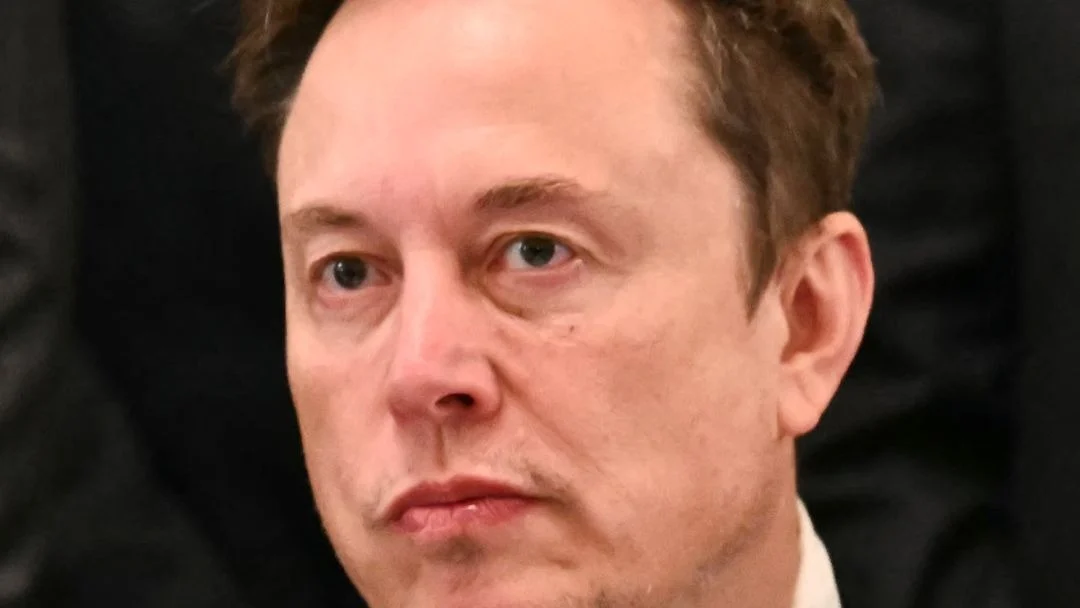
The films of 2026, however, represent a departure by focusing on real, living men who remain incredibly powerful. The subjects of these projects have not welcomed the attention. Elon Musk has openly criticized Gibney’s upcoming documentary, calling it a “hit piece” that lacks integrity, with their social media disputes and Musk’s refusal to be interviewed ultimately becoming part of the film’s narrative. At the same time, producing these critical films has become highly complicated due to the tech industry’s expanding footprint in media and entertainment. For example, “Artificial” was initially set to be distributed by Amazon MGM Studios. However, Amazon dropped the project in June, stating the film would be better served by a different studio. The decision occurred just months after Amazon finalized a major partnership deal with OpenAI.