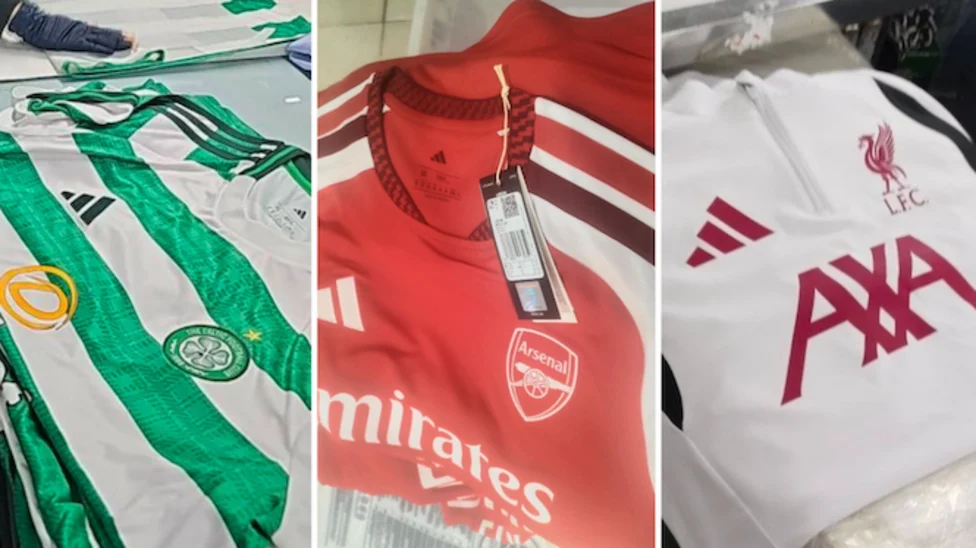
A recent investigation has revealed that the official replica shirts worn by fans of some of the world’s biggest football clubs are manufactured in Cambodian factories where employees earn a basic wage of less than £1 per hour. By following the production supply chain, it was discovered that workers at two specific facilities in the outskirts of Phnom Penh—Bowker Garment Factory and Trax Apparel—are struggling to make ends meet while fulfilling high production targets. We traced production of Celtic, Arsenal, Liverpool and other kits to two factories in Cambodia. Verbal abuse when targets were missed. These are issues that many garment workers around the world face every day,” added spokesperson Emma Vogt.
The findings, which come as fans voice frustration over the rapidly increasing costs of official merchandise, highlight a significant disparity in the garment industry. Research from the past year indicates that for an £85 replica shirt, roughly £8.50 is allocated to fabric, sewing, and shipping, while £37.45 goes to the retailer, £16.25 to the manufacturer, £9.50 to marketing, and £13.60 to VAT. Though industry experts argue advances in technology and expensive kit deals with elite clubs have contributed to the rise, shirt prices have increased significantly over the past decade. The sportswear giant supplies eight of the 20 Premier League teams.
Factory Operations and Workforce Details
- Workforce: Approximately 3,400 people work at Bowker Garment Factory, while 3,200 work at Trax Apparel.
- Staff Demographics: A significant majority of the workforce, including more than 80% at Trax Apparel, are women.
- Shift Structure: Staff typically work six eight-hour shifts per week.
- Production Process: Fabric is imported from Thailand and Vietnam, followed by a sample creation process before mass sewing, ironing, and packaging occur on-site.
Interviews with employees, supported by payslips, reveal that base monthly salaries range between $210 and $220 (£158-£166). While these figures comply with local minimum-wage laws, workers described the pay as insufficient to cover basic living costs. One employee noted that the cost of a single shirt purchased by an international customer often exceeds two weeks of her salary. Staff also reported working on production lines where they are expected to complete between 300 and 700 items per day, often under intense pressure and in harsh conditions, with temperatures inside factories measured as high as 35.2C. Employees there told us they struggled to make ends meet and worked on up to 700 items a day as part of a production line.
Corporate and Industry Responses
- Adidas Position: Adidas does not own the factories but lists both as primary suppliers subject to their workplace standards.
- Adidas Statement: The company stated it has implemented measures for over 25 years to ensure fair conditions, conducting approximately 1,200 audits annually to evaluate and improve supplier conduct.
- Nike Position: Nike does not publish country-specific salary data but stated that 71% of its key suppliers pay at or above relevant living-wage benchmarks.
- Trax Apparel: The company reported that average monthly employee earnings ranged from $305-$342 (£230-£258) throughout the current year.
- Bowker Garment Factory: Did not provide a comment in response to the investigation.
Campaigners and workers’ rights groups have criticized the situation, with The Clean Clothes Campaign describing the findings as a “very grim picture” of daily life for garment workers. Anna Bryher of the group Labour Behind the Label emphasized that respect should be a baseline in the sports industry, urging clubs to ensure their branding is not associated with poor labor treatment. Meanwhile, fans are being cautioned against purchasing cheap counterfeits, which can retail for as little as £12, as these items are produced without regard for safety standards or workers’ rights, according to police and Trading Standards authorities. Safety concerns about electrical equipment.