Dr. Khawla Almarri, an Emirati museologist and cultural researcher, is leading efforts to make institutional spaces more inclusive. Her academic work, which focuses on the cultural identity and history of the Arabian Gulf, underscores the importance of creating environments that value diverse learning styles and sensory experiences. According to this philosophy, developmental differences should be viewed as expressions of human diversity rather than conditions requiring correction. Inclusion brings richness and vitality to our communities. Including those with diverse learning styles, sensory sensitivities, and developmental differences, ensuring that every voice is recognized and valued, it embraces individuals of all backgrounds and abilities. They reflect the rich diversity of human experience and understanding, these differences should not be regarded as deficits or conditions to be corrected; rather.
The Al Ain Museum is currently implementing these principles through a new program titled Artism. Developed as an innovative approach to museum-based learning, the initiative is designed to better accommodate children and young adults on the autism spectrum. By focusing on usability and adaptive learning strategies, the museum aims to transform itself into a more responsive environment that respects individual sensory needs. Learning, and perceiving the world, children on the autism spectrum develop unique ways of communicating. Sensory needs are respected, and every individual feels valued, understood, and empowered to engage in their own way, the museum strives to be a welcoming social space where neurodiversity is embraced.
At the core of the Artism framework is the use of sensory-informed engagement to reduce anxiety and minimize sensory overload. The museum is integrating practices like art therapy—specifically painting and sculpting—to encourage creative expression while helping participants with emotional regulation and stress management. By emphasizing predictability and comfort, the initiative seeks to redefine how museums can serve as supportive spaces for neurodiverse visitors.
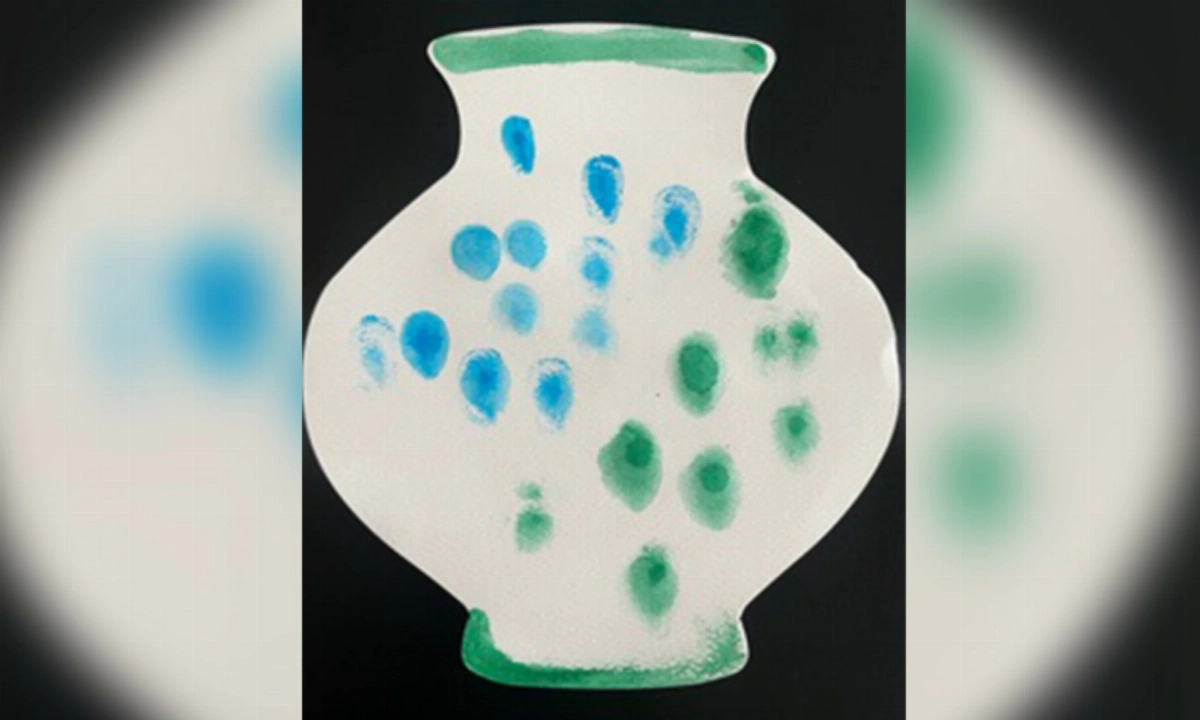
The program offers a range of structured, multisensory workshops tailored to the specific comfort levels and communication preferences of participants. Activities include tactile exploration with textiles and clay, guided interaction with light and shadow, and rhythmic sessions using musical instruments. Participants may also engage in sensory storytelling, movement-based experiences, or calming creative projects like pattern-making and collage. These sessions are carefully designed to connect museum collections and local heritage to the senses of touch, sight, and sound.
To ensure a safe experience for all, each workshop incorporates clear, predictable structures supported by visual guidance and flexible timing. Provisions for quiet breaks are standard, and the format allows for both collaborative and individual participation. By prioritizing these participant-centered methods, the Al Ain Museum aims to foster confidence, curiosity, and positive social interaction, ultimately reinforcing the role of museums as community anchors accessible to everyone.