
On Easter Sunday in 2022, 33-year-old Shane was expected at his father’s home in Westchester, New York, for a holiday meal. Instead, he spent the day alone at Citi Field in 45-degree weather, obsessively tracking a game between the New York Mets and the Arizona Diamondbacks. At the time, Shane had $25,000 wagered on the outcome. Reflecting on his struggle, he shared that he felt compelled to bet even when he had no desire to, trapped in a mindset where a large financial stake demanded his physical presence at the game. Prior to 2022, Shane had never placed a bet and admitted he would not have known how to locate a bookie.
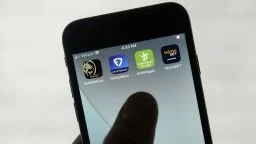
The landscape changed for fans like Shane when New York legalized mobile sports betting in 2022, exposing them to constant advertisements and promotions. For Shane, who initially viewed betting as a way to feel closer to his favorite team, the habit quickly spiraled. He began receiving personalized attention from sportsbook agents who texted him as if they were friends, offering incentives like tickets to New York Rangers playoff games. By spring 2023, he recognized his addiction, sought treatment, and faced the difficult task of reconciling with a family angered by his choices. His recovery journey has been arduous, involving relapses when he traveled to states like New Jersey where his self-exclusion status did not apply. Currently, his father manages his finances, and he has maintained sobriety for nearly four months.
Sports betting has expanded significantly since the Supreme Court authorized state-level legalization in 2018. Currently, 39 states and Washington, DC allow the practice. The economic impact is substantial; in the fiscal year ending in March 2025, New York generated over $2 billion in gross gambling revenue and more than $1 billion in tax revenue. However, this growth has raised concerns about the normalization of gambling within sports culture. Industry experts and former employees have noted that sports media content is increasingly reliant on bookmaker funding, which complicates the viewer’s relationship with the game.
Data from the National Council on Problem Gambling (NCPG) and broader surveys suggest an increasing segment of the population is wary of the proliferation of sports betting. A July 2025 Pew Research Center poll indicated that 43% of Americans view legalized sports betting as a negative influence on society. For many, this sentiment stems from personal experience with the psychological toll of compulsive wagering. Major operators like FanDuel and DraftKings assert they are investing in technology to promote responsible gambling, yet for individuals like Ely, who struggled with offshore betting before legalization and later saw his situation worsen, the accessibility of apps removed the barriers that once kept his habits in check.
For many men, sports betting often starts as a way to engage with friends, but it frequently leads to isolation. Matt, another individual who struggled with addiction, described the experience as more akin to drowning than being shot, noting that he withdrew from social interactions to avoid discussing sports. He admitted to lying to friends and family about his activity, creating a double life to hide his behavior. This pattern of secrecy and dishonesty, often fueled by the convenience of mobile devices, has fundamentally altered how many fans relate to their families and their favorite teams.
The recovery process often forces men to confront the reality that their passion for sports has been corrupted. Shane observed that the addiction stripped away his will to live, leading to a neglect of basic personal care. Even after achieving periods of sobriety, the challenge of reclaiming sports as a source of joy rather than a catalyst for stress remains a significant hurdle. These personal accounts highlight a growing tension between the commercial success of the sports betting industry and the emotional well-being of the fans it targets. The report also notes that early-season game between the New York Mets and the Arizona Diamondbacks, the family would sit down to eat at 1 p.m. — the exact same time as first pitch in a low-stakes. The report also notes that “I don’t even want to bet, but I can’t not do it,” he said Sports. “And not only can I not do it, but also, I get in this weird state of mind at that point where, if I have big money on the game, I have to be there.”. The report also notes that then, in 2022, New York legalized online and mobile sports betting and suddenly, rabid fans like Shane were subject to rampant advertising and alluring promotions. The report also notes that and he was watching most, if not every, game in some capacity, the Mets were already a major part of his life. The report also notes that he stayed at that chilly Easter game until the sixth inning. The report also notes that he got in the car he rented expressly to stress his wager in person and drove to his dad’s house, with the Mets firmly in the lead. The report also notes that but arriving late, windswept, and driving an unfamiliar car piqued his dad’s concern, he won that bet. The report also notes that “You’re becoming a different person in front of people, and they don’t even realize it,” he said.
Comments