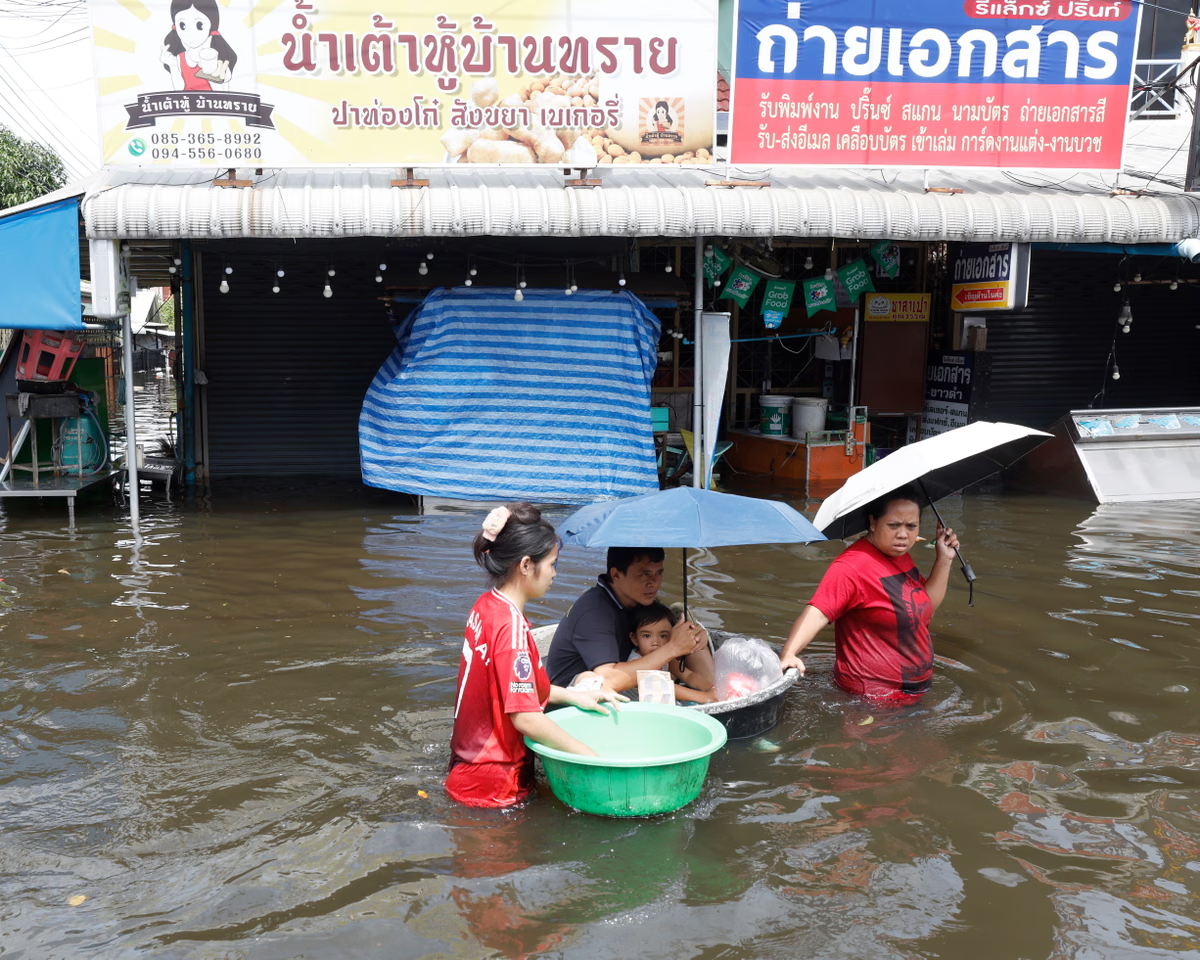
Developing nations face a compounding “triple shock” of energy instability, climate extremes driven by El Niño, and mounting borrowing costs. The United Nations Development Programme (UNDP) has issued a dire warning that these overlapping crises threaten to plunge tens, or even hundreds of millions, of people back into poverty. His warning chimes with the findings of separate research.
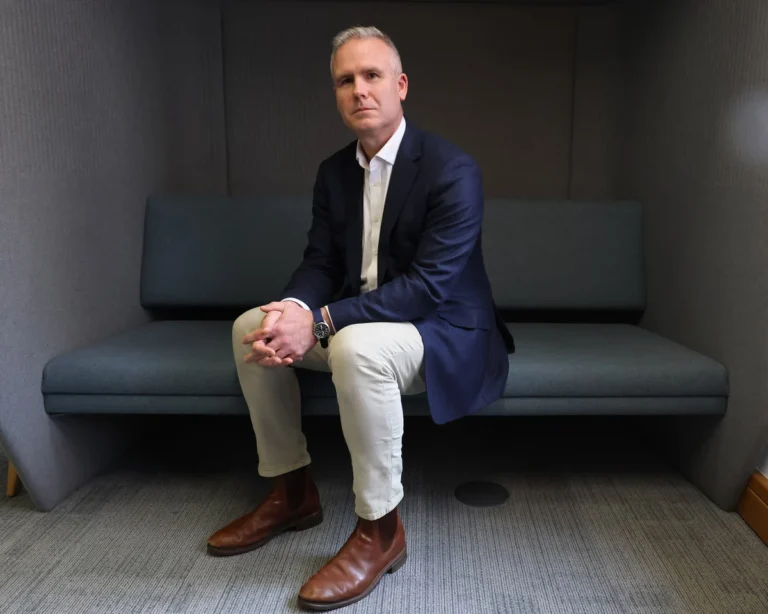
Speaking ahead of the International Monetary Fund (IMF) and World Bank annual meetings in Bangkok, UNDP administrator Alexander De Croo emphasized the need for “solidarity and global action.” De Croo noted that developing nations are currently being pulled in opposing directions, creating an unsustainable environment for their economic stability. “Developing countries, their hands and legs are being pulled in different directions: it’s truly hard for them,” he said. According to de Croo, The UNDP did not oppose efforts to secure debt relief for some of the hardest-hit countries – but argued it would take many months to negotiate, and instead called for more urgent action.
According to the UNDP reportNo Time to Recoverthe global energy landscape remains volatile, with oil prices climbing back above $100 per barrel following renewed hostilities in the Middle East earlier this year. While emergency government measures have shielded approximately 130 million of the world’s most vulnerable individuals from these price spikes, the report warns that fiscal space is rapidly depleting.
De Croo explained that governments are now forced to allow price hikes to flow through to consumers, as they lack the resources to maintain previous subsidies. Furthermore, the world is confronting an intense El Niño climate cycle, projected to be among the most severe in a millennium, raising the likelihood of widespread crop failure and extreme weather events. Meanwhile, the worst El Niño climate pattern in perhaps 1,000 years is expected to cause widespread crop failures and increase the risk of extreme weather events, while at the same time the global bond sell-off is drivin. As governments run out of the resources needed to keep cushioning their populations against soaring costs, but it warns many of them are now at risk.
Borrowing conditions have concurrently tightened, with bond financing costs for developing nations now averaging 9%. De Croo described this as an exceptionally high burden and warned that the situation is likely to worsen through the spring, noting a lack of clear solutions for fuel pricing, climate impact, or capital market pressures. He added that the situation was expected to deteriorate between now and the spring. “For each of the three things that we mentioned – fuel prices, El Niño and the bond markets – unfortunately for each of those at the moment, we don’t see any light at the end of the tunnel.”.
Debt Relief and Structural Concerns
- Heidi Chow, Debt Justice Executive Director: Stated that high debt levels are devastatingly impacting access to healthcare and education.
- Proposed Action: Debt Justice is advocating for the outright cancellation of burdensome debts and a complete overhaul of the IMF’s common framework for restructuring.
- Specific Demand: Calls for cancellation focused on high-interest lenders, specifically banks, hedge funds, and oil traders.
Research indicates that nations categorized by the IMF as being at risk of debt distress have already reduced education budgets by an average of 8% and total public spending by 2% since 2019. While De Croo acknowledged the importance of debt relief, he cautioned that negotiations are too slow, necessitating more immediate measures.
To provide necessary “time and space” for reform, the UNDP suggests re-implementing measures similar to the G20’s temporary debt repayment standstill used during the Covid-19 pandemic. De Croo also proposed leveraging liquidity tools, such as the currency swap lines previously utilized by the US Federal Reserve, to prevent market seizures.
Ultimately, De Croo urged the international community—including multilateral lenders and donors—to increase access to affordable finance. He stressed that a coordinated, equitable policy is required, rather than forcing developing nations to the end of the line while waiting for systemic responses.