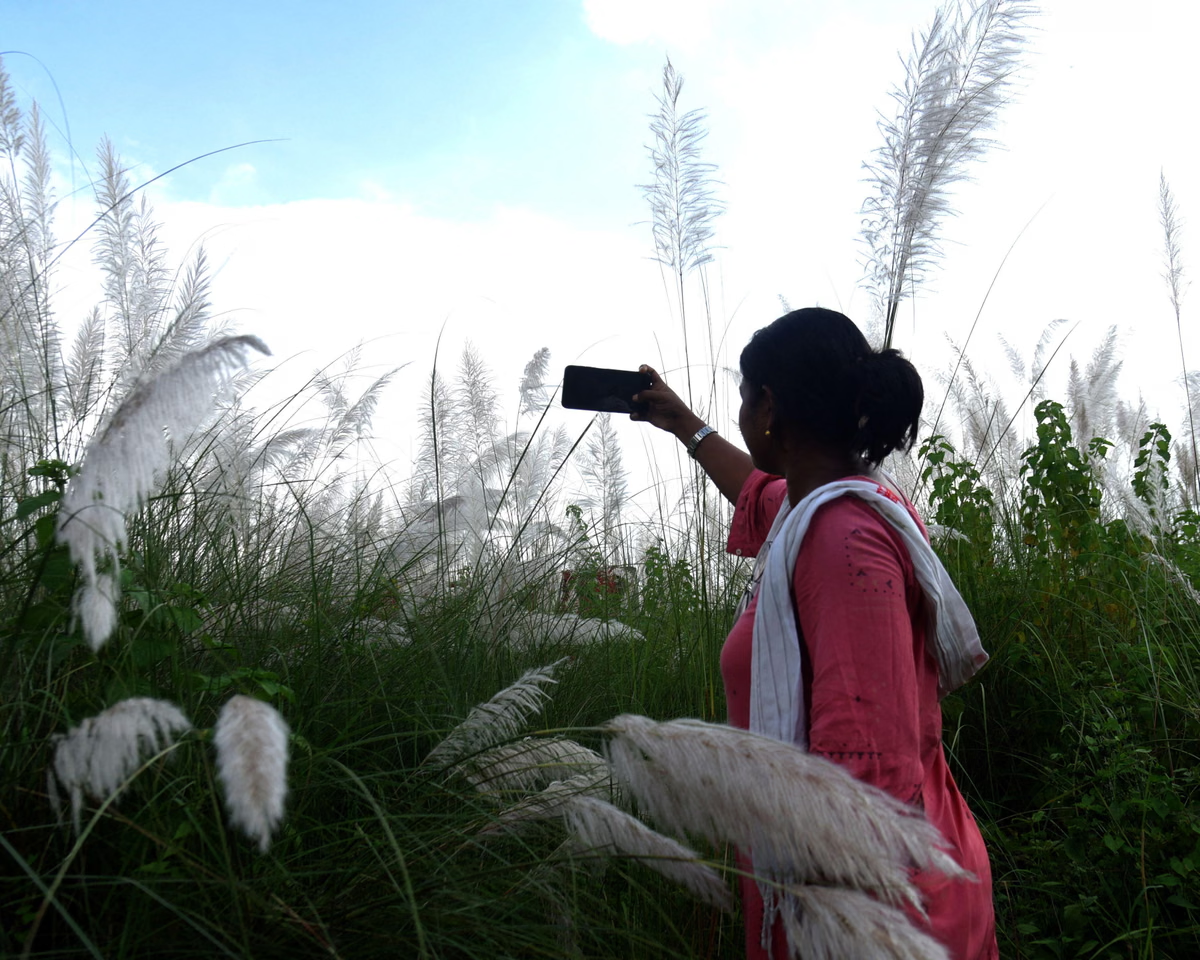
The World Bank is actively encouraging developing nations to adopt “small AI” technology, arguing that specialized models capable of running on mobile phones with limited connectivity could be transformative. “Small AI would be available in a local setting, with low connectivity, and in the local language of the community – and tends to be available on your mobile phone.”. And this is where what we describe as ‘small AI’ comes in.
While Silicon Valley giants continue to prioritize sophisticated consumer products, the World Bank suggests these smaller, task-specific models are the key to unlocking artificial intelligence benefits in resource-constrained environments.
Paschal Donohoe, the World Bank’s chief knowledge officer, noted that the potential for economic progress is immense. By adapting technology to local needs, development cycles that might have historically taken centuries could potentially be compressed into just decades. These smaller models use narrower datasets tailored to specific local challenges.
As an example, Donohoe highlighted the AgriConnect scheme in India, which assists farmers with essential tasks like soil analysis in their native languages. Because there are not enough agricultural experts to support every small farm individually, small AI on a mobile device serves as a scalable solution to deliver critical information directly to users.
This initiative is currently a focal point at the annual World Bank and International Monetary Fund meetings in Bangkok, Thailand. Kristalina Georgieva, managing director of the IMF, emphasized that the success of these tools depends on foundational infrastructure. She stated that governments must prioritize access to electricity and digital infrastructure while simultaneously creating protective safeguards against malicious actors. Speaking on a panel about the impact of the technology on Monday, Kristalina Georgieva, the IMF’s managing director, called on governments to provide the preconditions for AI to succeed. Protect against bad actors so that adoption can work, and the government should be able to give some safety.
Despite the optimism, the World Bank’s recent development report acknowledges significant hurdles, noting that nearly one-third of schools in rural sub-Saharan Africa currently lack electricity, while more than two-thirds suffer from inconsistent internet. Georgieva also warned of a broader labor market shift, predicting that 40% of jobs globally could be impacted by automation.
Addressing the professional outlook for young people is a primary concern, according to Georgieva, who noted that entry-level roles often used for career progression are at high risk of being eliminated or augmented by AI. She expressed skepticism that young people would view positions like coffee shop baristas as viable long-term professional alternatives if traditional career ladders vanish. With the impact particularly acute for young people at the start of their careers, georgieva warned that over time 40% of jobs worldwide were likely to be either augmented or eliminated by AI. “When we look at this, what we recognise is that the people to worry about, first and foremost, are young people that are coming into the labour market,” she said. “Normally they would get into these routine, repetitive jobs and then go up the ranks.
Under the leadership of president Ajay Banga, the institution has intensified efforts to draw private investment into emerging markets. Donohoe revealed that the bank successfully mobilized $120 billion (£90 billion) in private capital over the past year through various financial instruments, an achievement occurring as major economies like the US and UK scale back their foreign aid spending.
Ultimately, the World Bank views these collaborations between governments, the private sector, and financial institutions as essential. By aligning private capital with job creation and local needs, officials believe they can create a democratic path to technological adoption as widespread and impactful as the mobile phone.