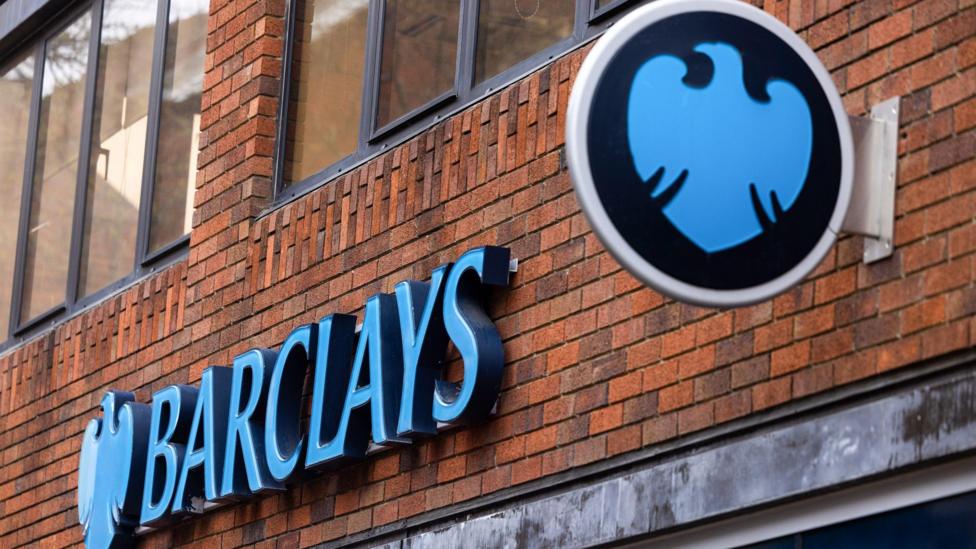
Barclays is slashing its head count by approximately 5,000 roles as part of an effort to integrate increased artificial intelligence into its operational workflows. The lender disclosed that 1,000 positions have already been eliminated, with another 4,000 reductions scheduled for completion by the end of this year, representing roughly 5% of its total global staff.
The job cuts are primarily aimed at support functions, including software developers, which will account for around 60% of the total headcount reductions. While the cost-cutting measures target the UK retail banking division, a significant portion of the reductions will impact back-office roles based in India.
Chief Executive CS Venkatakrishnan stated that the workforce changes stem from substantial investments designed to simplify internal processes. Addressing the technological shift, he emphasized that “AI has an important role to play and may have a more important role to play in the future,” adding that the firm intends to deploy the technology widely.
However, Venkatakrishnan noted that adoption requires patience, describing artificial intelligence as the “icing on the cake not the cake” because underlying infrastructure must be established first to maximize benefits. The bank views AI as a enhancement to an ongoing modernization drive rather than the sole driver of staff reductions. Because you need to do the infrastructure build to get the benefits of AI.
Beyond internal restructuring, the announcement underscores broader tech adoption across the sector, with institutions like HSBC, Standard Chartered, and Danske Bank also signaling AI-driven job reductions this year. Emerging tools are increasingly replacing routine administrative and programming duties across the industry. Company spending on AI is increasing along with claims new tools can replace some of the basic tasks currently done by staff such as administrative and programming work.
Quilter Cheviot financials analyst Will Howlett observed that the move demonstrates “how significantly AI and automation could reshape the banking industry over the next few years.” He noted that years of heavy tech expenditure are reaching a point where fewer employees are needed to maintain operations.
Alongside the workforce restructuring, Barclays reported a third-quarter profit of £2.3bn for the three months to September. Although the result represents an increase from the same period last year, it fell slightly short of market forecasts.
AJ Bell investment director Russ Mould noted that Barclays was “reaching for the AI lever, expecting to cut a decent chunk of its workforce as it expands the use of artificial intelligence,” yet failed to meet earnings expectations. He described AI as a “hot button topic” while cautioning that institutions must carefully weigh security risks and customer service quality before replacing staff to secure financial savings. However, banks had not yet made big moves in widespread introduction of AI and they would be considering the implications for security and customer service before implementing AI to make financial savings, he said. It will be intriguing to see what other banks say in their results in the coming weeks.
The job reductions coincide with the final stages of a three-year cost-cutting program primarily directed at the UK retail branch and investment banking arms. Looking further ahead, Barclays expects its efficiency drive to generate an additional £1.1bn in savings by 2027. Any company at any time needs to keep on top of its cost base,” he said.