Shop price inflation has climbed to its highest level in two and a half years, according to the British Retail Consortium. The trade body has warned that the “dam is starting to break” on the significant wave of operational costs retailers have spent the last two years shielding from their customers.
Year-on-year shop price inflation hit 2.1% in October, jumping from 1.4% in September. This surge indicates that retailers are finally passing on higher expenses linked to energy and food ingredients, which have escalated since the start of the conflict in the Middle East. Food inflation, which remained relatively stable over the past year, rose to 2.9% this month compared with 2.5% in September, creating further pressure for Chancellor John Healey ahead of his debut budget this Wednesday.
The impact is equally sharp in the non-food sector, including footwear and clothing, where inflation more than doubled from 0.8% to 1.7% year on year. These rising costs are tied to broader economic pressures, including the price of Brent crude oil hitting $117 a barrel recently—significantly higher than the $70 average seen before the conflict involving the US, Israel, and Iran in February. Spiking gas prices have further contributed to a 3.5% rise in the UK consumer prices index last month.
Until this month, retailers had largely absorbed these cost increases to protect consumers amidst weak demand. Consumer confidence has been steadily declining since the summer as the conflict’s potential duration became clearer. Consequently, Bank of England officials are now expected to raise interest rates from 3.75% to 4% next week, with further hikes likely in the new year if retail price pressures persist.
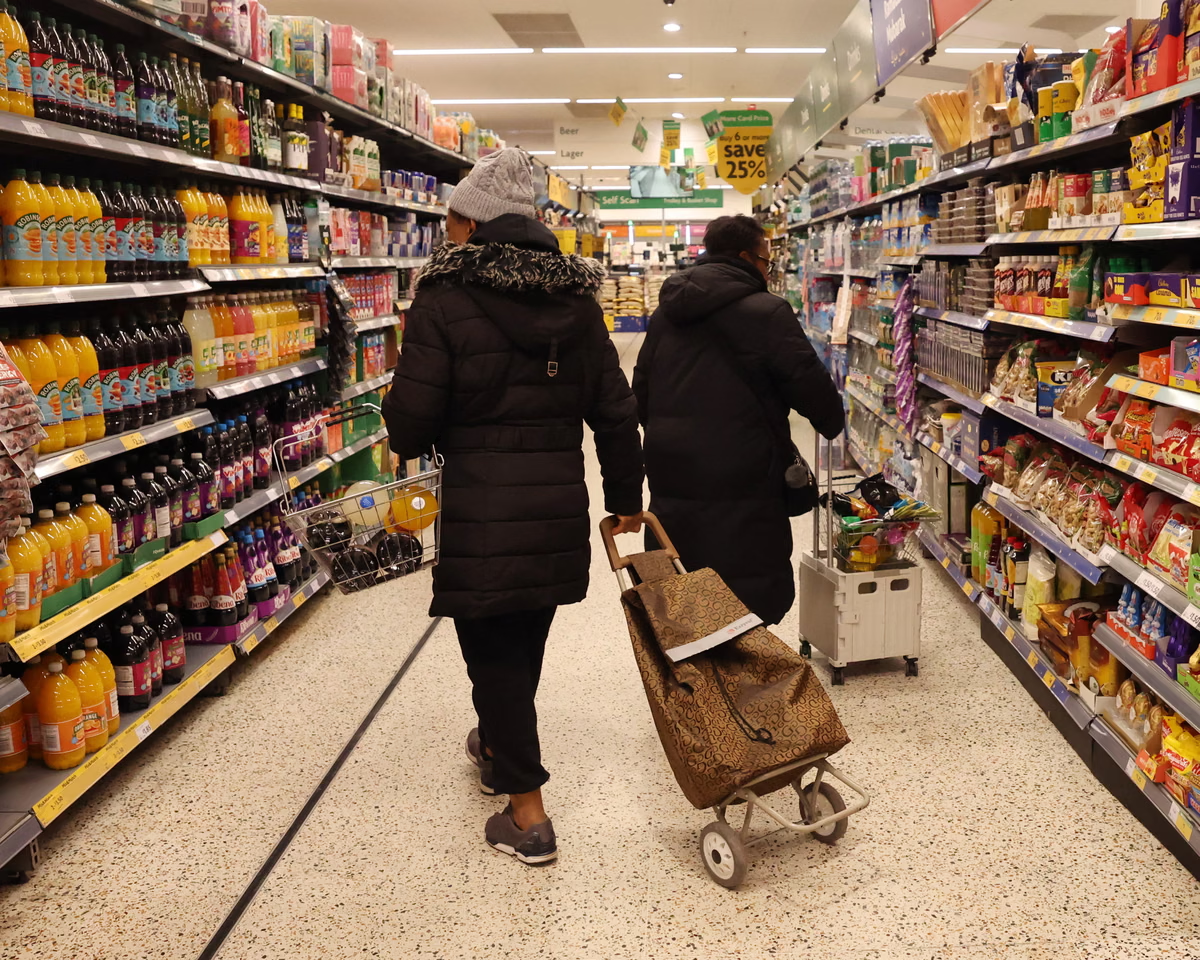
BRC chief executive Helen Dickinson noted that despite heavy discounting efforts to draw in shoppers for the Halloween period, supermarkets can no longer prevent price increases on shelf items like tins and packets. This situation is mounting intense pressure on the Chancellor from backbenchers who are concerned about the deepening cost of living crisis.
New research from Professor Ruth Patrick at the University of Glasgow highlights the severe toll these prices are taking on low-income families. Her study, which includes in-depth interviews with 70 participants, shows that high petrol and diesel costs are severely limiting mobility for workers and families transporting disabled children to essential appointments. With petrol often costing over £1.75 per litre and diesel exceeding £2, some participants feel that work no longer provides a living wage. Of which 67 shared strategies they had taken to reduce costs over the previous month, the report involves in-depth interviews with 70 participants.
The data from Patrick’s “Changing Realities” project—which tracks 100 families—reveals that 73% of participants have resorted to shopping in reduced-items aisles, while 62% have changed their food purchasing habits and 63% have gone without heating even in cold conditions. According to she, In the last month almost three-quarters (73%) of participants in the project had shopped in the reduced-items aisle, while 62% had changed the food they buy and 63% had left the heating off even when cold.
One participant, Rosie L from rural Scotland, described the difficulty of managing a car without reliable public transport, noting that the inability to drive would impact every aspect of her family’s life, especially given her children’s disabilities. One respondent, Rosie L, who lives in rural Scotland, said: “It’s getting to a point where I don’t know how we are going to keep managing to run our car.
Patrick argued that current government support does not match the scale of the ongoing crisis and called for the upcoming budget to fulfill pledges of a “cost of living government.” She urged for long-term social security improvements, particularly the restoration of the real value of child benefit, which remains a critical source of support for families facing additional costs. According to patrick, The help provided by governments and local authorities so far did not match the scale of the problem. “The budget provides an opportunity to make good on Andy Burnham’s pledge that his will be a ‘cost of living government’,” she argued.