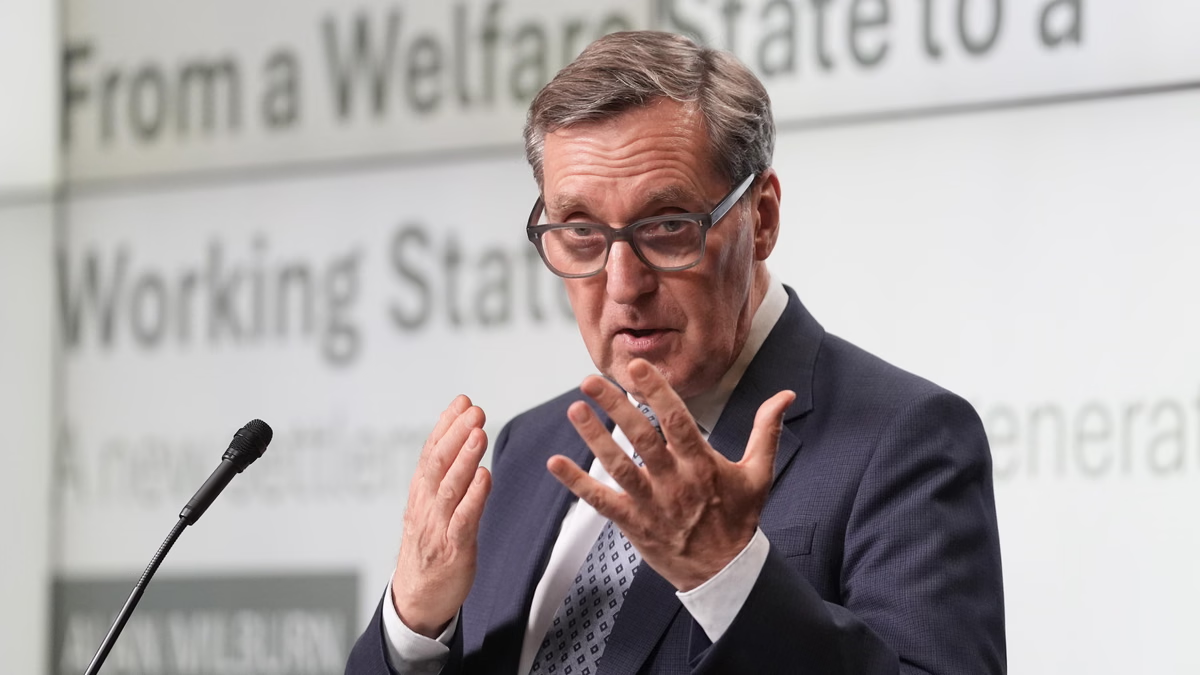
A landmark report authored by former health secretary Alan Milburn has urged the government to commit billions of pounds toward a comprehensive “new deal” for young people. The proposal aims to tackle the nation’s youth unemployment crisis, which has seen the number of individuals not in education, employment, or training (Neet) climb to nearly one million. Milburn described the current situation as a “fork in the road,” arguing that the country must choose between persistent systemic failure or a decade-long commitment to eradicating long-term youth joblessness. According to he, Ministers had a choice to either carry on down a path of state and market failure or adopt a 10-year plan with an ambition to eradicate long-term youth unemployment. Milburn’s report comes as Britain’s young bear the brunt of rising joblessness as employers freeze their hiring plans amid the fallout from the war in the Middle East. Although they would be able to apply to a local fund for short-term expenses and equipment, this would involve some young people with health conditions and disabilities losing access to current benefits. “Overall, it fails to bring down the welfare bill, proposes billions more in government spending and won’t make the slightest difference for young people stuck on welfare now – because nothing will happen for at least th.
The review outlines a sweeping transformation of health, education, welfare, and employment policies, with a goal of halving the number of young people neither learning nor earning by 2036.
If fully implemented, the strategy could help an additional 600,000 under-25s transition into productive roles each year.
Currently, the UK’s Neet rate stands at 13%, the highest level since 2014, driven by the lingering effects of austerity, the Covid-19 pandemic, rising mental health challenges, and the disruptive impact of artificial intelligence on the labor market. Milburn believes this rate could be reduced to 5% within the next decade.
Central to the plan is a controversial restructuring of the benefits system that would treat the under-25 population as a distinct cohort separate from older working-age claimants. While the proposal involves tighter eligibility criteria to encourage employment, it would be offset by a significant increase in upfront investment. Milburn, who spoke at a launch event in London, argued that the future of the younger generation requires a shift in focus from mere welfare toward active opportunity. He emphasized that “half measures will not do” and that the state must replace its current reliance on punishment with targeted support. Urging the prime minister not to shy away from welfare reform – after Keir Starmer was forced into a humiliating climbdown over a plan to cut disability benefits amid pressure from Labour MPs – Milburn warned the future of the next generation depended on the government making changes. “What young people need is not more punishment, but more opportunity,” the signatories wrote, warning that an approach relying on benefit cuts “risks further disenfranchising young people who are already struggling”. The barriers facing disabled young people, or the lack of meaningful routes into employment.”, they added: “Placing young people under threat of losing essential financial support does not address the shortage of good-quality jobs.
The blueprint suggests creating a “youth opportunity service” in England, which would be managed by local leaders and regional mayors. This service would consolidate careers advice, health support, and employment services, providing each participant with a tailored plan and a dedicated adviser. The system would be underpinned by two new legal guarantees. Although health and skills policy remains devolved in Northern Ireland, Scotland, and Wales, Milburn stated that the fundamental principles of his report are intended to apply across the entire UK.
Financial analysis within the report highlights a significant imbalance in current spending. Last year, the state invested £25 in youth benefits for every £1 spent on active support for work or education. Milburn’s plan proposes rebalancing this ratio to £2 for every £1, moving the UK closer to spending patterns seen in other European nations. However, the proposal has faced criticism, with shadow work and pensions secretary Helen Whately labeling the review “too cautious” and accusing it of relying on expensive, slow-moving state interventions that fail to address the needs of those currently on benefits. Those with the most profound health conditions who would be unable ever to work would still get more generous financial support. Bringing Britain closer into line with the ratios in other European countries, under his proposals that figure would be rebalanced to £2 to £1.
Concerns have also been raised by Labour backbenchers, including Nadia Whittome, John McDonnell, and Apsana Begum, who signed a letter warning that cutting benefits for young people could increase poverty and deepen their alienation from society.
Work and pensions secretary Pat McFadden defended the initiative, framing it as a “new settlement” designed to treat young people as individuals rather than departmental statistics.
Meanwhile, Andy Burnham has pledged to address youth unemployment through a “root and branch” reform of support systems, ensuring that any changes to welfare are matched by comprehensive improvements in youth services.