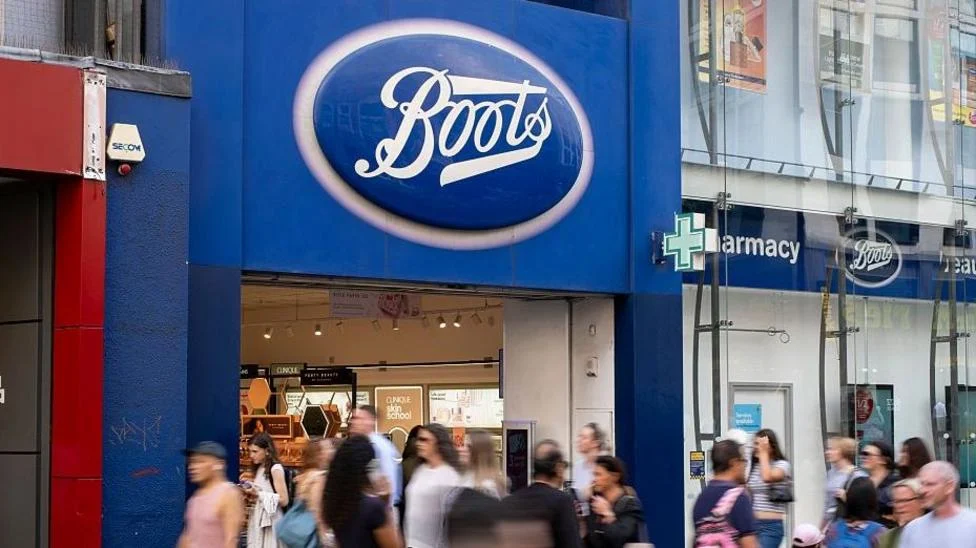
Boots is set to enter its 178th year under new ownership following a £7bn deal finalized this week. The acquisition by Wittington Investments—a holding company controlled by the Weston family, known for their deep roots in global retail—marks a significant shift for the British high street stalwart. The Westons, who previously owned Selfridges and currently manage various large-scale retailers, also oversee the parent company of Primark, Associated British Foods.
A primary focus for the new owners involves upgrading the retailer’s extensive portfolio of 1,800 stores. Retail analyst Sofie Willmott of GlobalData Retail suggests that while larger locations have benefited from a more upscale, department-store aesthetic, many smaller branches have suffered from a lack of investment. Improving consistency across the chain remains a key challenge. Retail veteran Jackie Naghten agrees, noting that stores could become more functional by avoiding layouts where pharmacy hubs feel like an afterthought tucked into a corner. They should invest in the rest of the chain because they’ve got such a big store portfolio that I think some of the smaller stores have really lacked investment over time, and I think that is something that they need to kind of catch up with,” Willmott says.
Despite these criticisms, some shoppers value the current navigation and clean aesthetic of the stores. Yasmin Trimble, 22, noted the ease of shopping at the pharmacy, highlighting a clear, non-confusing environment. Meanwhile, the future of the Advantage card appears secure. Since its launch in 1997, the loyalty program has become a vital asset for the brand, offering three points—each worth 1p—for every pound spent. Industry expert Natalie Berg describes the card as a unique tool for understanding customer behavior, predicting that new ownership will likely double down on this data as social media and AI continue to shift consumer purchasing habits. What Boots stores might look like in the future has not been disclosed. But Yasmin Trimble, 22, who buys beauty products from Boots, likes how easy the stores are to navigate.
Healthcare expansion remains a central strategy for the business, consistent with its origins as an apothecary. With the rise of weight loss drug services and increasing pressure on GPs, the new owners are positioned to lean further into pharmacy-led health services. Naghten suggests the Westons possess a clear blueprint for this growth, banking on the fact that customers visiting for health needs are likely to pick up beauty products like lipstick while in the store. Boots continues to leverage its No7 makeup and skincare lines as key strengths in this cross-selling strategy. The chances are you will have shopped at a Boots somewhere in the UK, if you have been looking to buy a health or beauty product. According to since the opening of its first beauty-only store in 2023 in the Battersea Power Station development, it, It has redesigned over 180 beauty halls, while also opening its first fragrance concept store and an Opticians dedicated to luxury eyewear. A more “consistent” look would also be an improvement, Willmott adds. “At the moment there is a bit of a disconnect.
The company faces stiff competition, which has impacted recent revenues. Younger demographics, such as 18-year-old Schekina Bourne, often prioritize the convenience of competitors like Superdrug. Furthermore, the retail landscape is shifting, with M&S announcing a partnership to replace many of its own beauty departments with Sephora branding next year. While Boots maintains a reputation for expertise in health, the new owners must balance these traditional strengths against the pressure of digital-first competitors and changing shopping habits.