

The small town of Kuhestak, located on the Iranian coast overlooking the Strait of Hormuz, is mourning after a barrage of airstrikes struck a family compound during a wedding celebration on Tuesday evening. The attack resulted in five deaths, including a 4-year-old boy, a 16-year-old, and two women. A third woman, who was among the more than 60 people injured in the blasts, succumbed to her wounds at a hospital on Thursday.
Ali Mallahi, a cousin of the bride, described the scene at the family compound, which consists of four houses. At the time of the strike, approximately 150 women were gathered in one building for the traditional gender-segregated celebration, while men held a separate event about 50 meters away. The bride and groom had not yet arrived when the munitions hit the room designated for dinner. Reflecting on the devastation, Mallahi remarked, “Thank God, the casualties were not higher.”
Neighbor Sasan Zarei, who assisted in the immediate rescue efforts, described the aftermath as harrowing, noting that many of the victims were children. The impact left a gaping hole in the roof of the targeted structure, shattered windows, and scattered debris, including twisted metal and household items, across the courtyard. Iranian media footage captured the scene, showing palm fronds and festive decorations buried under rubble.
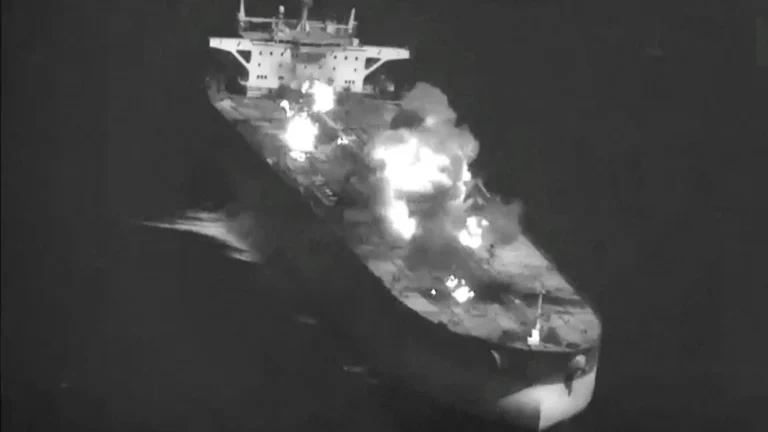
The strikes occurred during a broader U.S. military operation in southern Iran that targeted radar systems, maritime assets, and air defenses. A communications tower located roughly 100 meters from the wedding site was also destroyed, causing temporary disruptions to mobile and landline services in the region. While the Hormozgan provincial telecommunications department worked to restore connectivity, residents reported that services were back online by Friday.
U.S. Vice President JD Vance addressed the incident on Thursday, stating that the administration is conducting a full investigation. He noted that while the U.S. does not target civilians, “sometimes things happen” during combat operations. The U.S. Central Command released footage of aircraft missions from that night, including an F/A-18E fighter jet equipped with a Joint Standoff Weapon (JSOW).
Weapons experts who analyzed imagery of fragments found at the site, including control fins and thermal battery units, suggest the use of American-made guided munitions. Trevor Ball, a former U.S. Army explosive ordnance disposal technician and analyst at Armament Research Services, identified remnants consistent with JSOW and GBU-39 air-delivered glide bombs. Experts are currently evaluating whether these specific munitions were responsible for the damage at the wedding venue or the nearby communications tower.
This incident follows a previous strike on February 28, the opening day of the war initiated by the U.S. and Israel, which killed more than 100 children at a primary school in the nearby town of Minab, located approximately 30 kilometers from Kuhestak. As the community reels from the latest tragedy, posters of the deceased have been placed on lampposts throughout the town to honor the victims. The report also notes that but at the time, celebrations were only just getting started, Mallahi said, a strike hit the room where the women were due to be served dinner. The report also notes that a technician with the department, said the tower had provided telephone and internet connections across the area, hassan Sayadi. The report also notes that then an explosion turned the scene to carnage. The report also notes that which was struck as relatives celebrated their daughter’s wedding, within a densely built neighborhood of houses and unpaved alleys stood the compound of the Mallahi family. The report also notes that big cracks ran through walls decorated with floral designs. The report also notes that and twisted sections of roofing and metal framework lay across the courtyard, among carpets and household appliances that the family had pulled out of other damaged rooms, windows were shattered.




Comments