
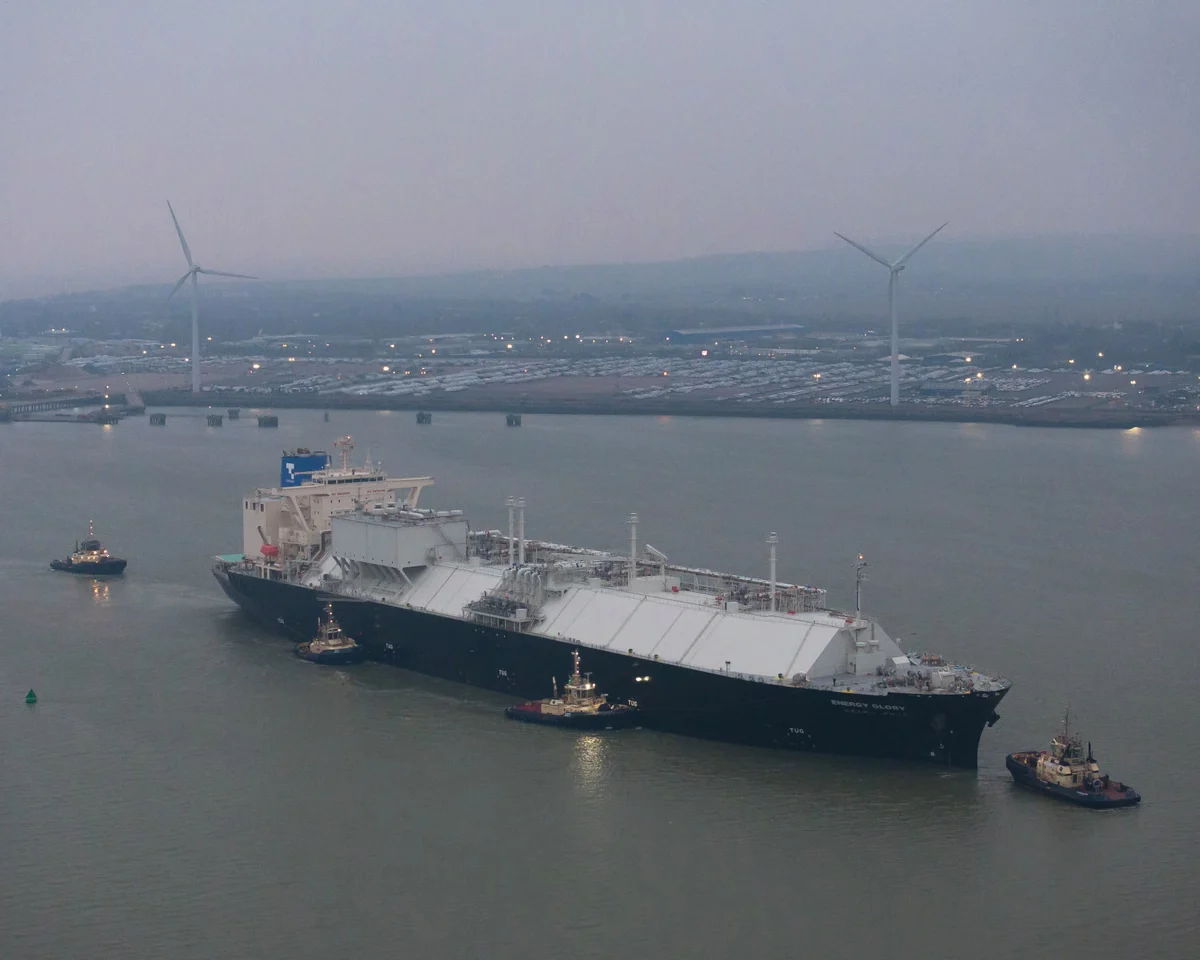
Europe is bracing for the upcoming cold season with natural gas reserves at their lowest levels in 13 years, a situation that has sparked widespread alarm among energy traders. By the final week of August, EU gas stocks were only 63% full, significantly trailing the typical 80% average for this time of year and marking one of the lowest recorded levels for late summer.
Gas analyst and professor Greg Molnar warns that at the current sluggish rate of replenishment, the bloc is on track to enter the winter heating season with supplies roughly 20% below the five-year average. He noted that low storage levels inherently increase the risk of heightened price volatility, particularly if the region faces cold spells or periods of low wind that drive up demand.
The current supply crisis stems largely from the ongoing US-Israel conflict with Iran, which has severely disrupted oil and gas exports from the Gulf. This geopolitical instability, combined with a cold end to the previous winter and high gas-fired power generation during recent summer heatwaves, has prevented facilities from reaching their usual storage targets. Bjarne Schieldrop, chief commodities analyst at SEB, stated that the market has entered a state of “winter panic” as hopes for a reopening of the Strait of Hormuz fade.
While physical shortages are not currently anticipated, the market is bracing for significant price hikes. Benchmark gas prices have already surged to three-year highs, exceeding €68 per megawatt-hour (MWh)—more than double the rates seen at the start of the year. Goldman Sachs analysts suggest that without a resumption of Middle Eastern exports, prices could climb above €100/MWh to compete for global liquefied natural gas (LNG) shipments.
The situation is particularly dire in western Europe. Germany, which holds the continent’s largest storage capacity, reports facilities are only half-full. Meanwhile, Belgium and the Netherlands, which serve as critical supply links to the UK, show storage levels of 51% and 45%, respectively. In contrast, countries like Italy and Poland have managed to maintain levels above 80%.
The United Kingdom remains uniquely vulnerable due to its status as a major consumer with limited domestic storage. Centrica chief executive Chris O’Shea recently warned that the UK has “almost no gas in storage” for the coming months. This reliance on global imports is set to grow as North Sea production declines and Norwegian output is projected to drop after 2030.
In response to these long-term security concerns, the UK government is evaluating financial support packages for storage and pipeline operators to ensure infrastructure remains viable. These measures follow consultations indicating that domestic energy supplies could face risks within the next decade.
Consumers are already feeling the financial impact of these market pressures. Ofgem has announced that typical gas and electricity bills will rise by 4% starting in October, following a 13% increase in July. These adjustments are designed to reflect the global energy price volatility triggered by the conflict in the Middle East. The report also notes that the EU is likely to enter the winter heating season with gas stocks about a fifth below the five-year average, and at their lowest level since 2013, according to Greg Molnar, a gas analyst and professor, at the current sluggish rate of gas storage injections. The report also notes that since the US-Israel war on Iran triggered severe disruption to exports of oil and gas from the Gulf region, the EU’s gas stores have struggled to rise towards a watered-down target of 80% full by the start of winter. The report also notes that “As a result, the European natural gas market has run into a bit of a winter panic over the past week,” Schieldrop added. The report also notes that prices have risen sharply on the growing expectation that market traders in the EU will need to compete with Asian buyers to secure cargoes of liquefied natural gas as temperatures begin to cool. The report also notes that and Norwegian output begins to fall from 2030, the UK’s reliance on global gas imports is expected to deepen as declining gas production from the UK’s North Sea sector accelerates.







Comments