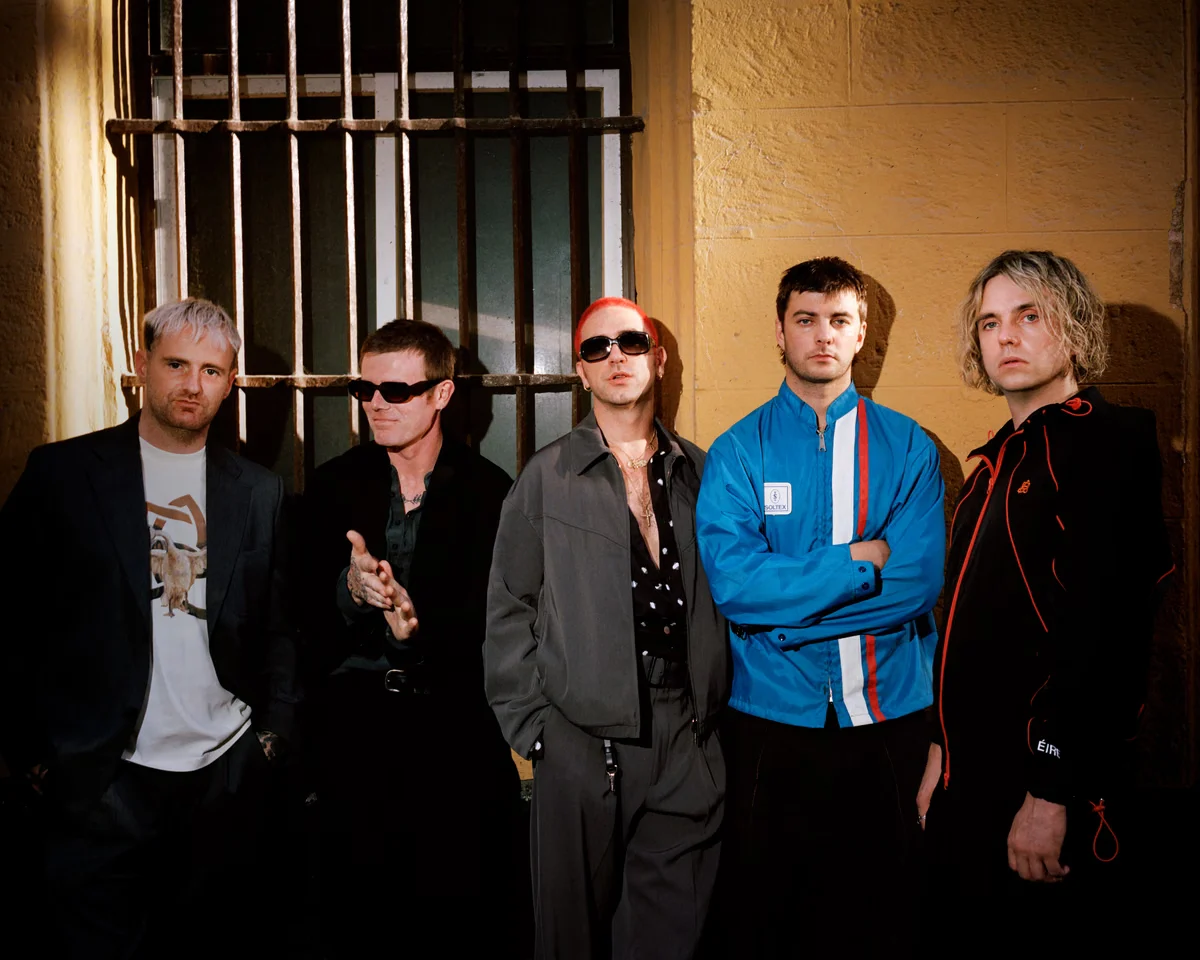
Fontaines DC have navigated the complexities of the modern digital age with their latest releaseDopamine Chamber. The group explores the pervasive nature of Faustian bargains in the 21st century—where individuals mindlessly accept terms and conditions or subject themselves to superficial enhancements—framing the record as a necessary confrontation with the degradation of human experience. Drawing a parallel to the medieval figure Theophilus of Adana, who struck a deal with the devil, the band examines how these contemporary compromises shape our reality. Today, we just blindly tick a little box marked “accept terms and conditions” or let high-street snake oil merchants inject poison into our faces. The Byzantine archbishop Theophilus of Adana did first-hand business with the devil for his own superficial betterment, f ifteen centuries ago. We can’t rely on the Virgin Mary to save us now, the Faustian pact has become as depressingly banal as it is endemic and destructive – and unlike Theophilus. It’s Fontaines DC, if anyone can thread that poisoned needle.
This fifth studio album arrives following their 2024 predecessorRomance. While that previous record featured a striking, neon-infused aesthetic shift—a defensive posture as the group transitioned into arena-level success—the band has returned to a more grounded appearance for this project. This visual reset accompanies a newfound confidence in their sound, which feels more cohesive and formidable than ever. Frontman Grian Chatten has noted that the songs are heavily influenced by the “context collapse” of social media, observing that “the mask is wearing the face a little more” in our current era. When the Dublin band introduced their last album, 2024’s Romance, it came with a surprise new look. Shiny trousers and bug-eyed sunglasses that split the difference between Korn and the Prodigy, their uncoordinated jeans and shirts had been replaced by neon hair.
The lead single, “Marianne,” serves as a clear mission statement. Chatten delivers a haunting invitation to “help you disappear” over swirling, atmospheric strings. Rather than suffering from the common pitfall of bands inflating their sound to fill stadiums without the necessary substance, Fontaines DC successfully execute a sense of overwhelming, grand-scale ambition. Guitarist Conor Curley intentionally moved away from sounds that echo specific historic acts, though the album contains subtle, evocative nods to influences like The Cure, New Order, and grunge, all woven into the band’s unique, ruinous soundscapes. Lead single Marianne makes that intention explicit. “I can help you disappear,” Chatten chants over spiralling strings – glinting wormholes amid the pearlescent cosmic gloom. The idea of listening to music submerged in precisely this shade of doom might sound like, well, hell, in the midst of headlines about AI destroying humanity.
Vocal delivery remains a central, driving force throughout the record. Chatten oscillates between an indie-rock swoon and a more biting, aggressive cadence. On “One Man,” he masterfully balances both, questioning the genuine human need to be desired while strings build to a crescendo. His vocal performance is often invasive and intimate, lingering in the listener’s ear as he whispers lines like “I sweeeaaaaar” on “Happy for You” or the existential prompt “surely you’ll wake up in yourself” found on “Mimesis.”
The album also features a notable collaboration with Rosalía on the track “Where Is Gone?” Blending mid-century balladry with a cinematic, Morricone-esque grandeur, the duet creates a sense of tension often compared to the legendary pairing of Nick Cave and PJ Harvey. Despite some fan pushback on social media regarding the inclusion of a pop-leaning guest, the track proves to be a standout, showcasing the band’s willingness to challenge their own artistic boundaries.
Closing with the track “Intimate,” Chatten delivers a sharp critique of those who prefer the band to remain static in their earlier, aestheticized personas. The song acts as a firm rejection of the spiritual death inherent in staying stagnant, a theme that mirrors his broader warnings about societal decay. By embracing this evolution, Fontaines DC have produced a work that is simultaneously gloomy, gorgeous, and triumphant, firmly establishing themselves as one of the most vital bands of their era.