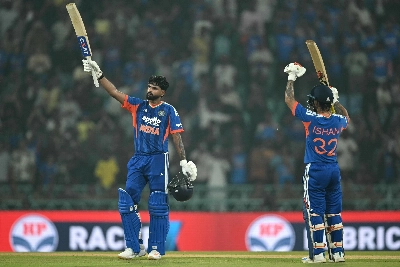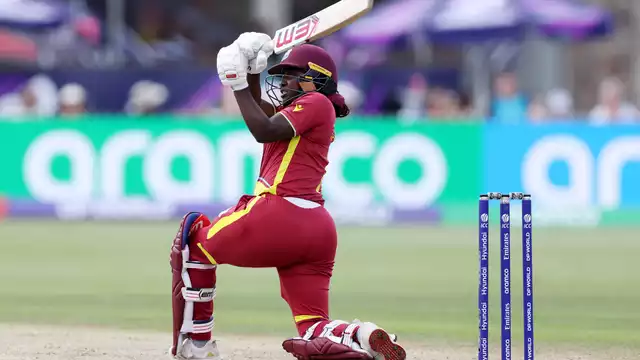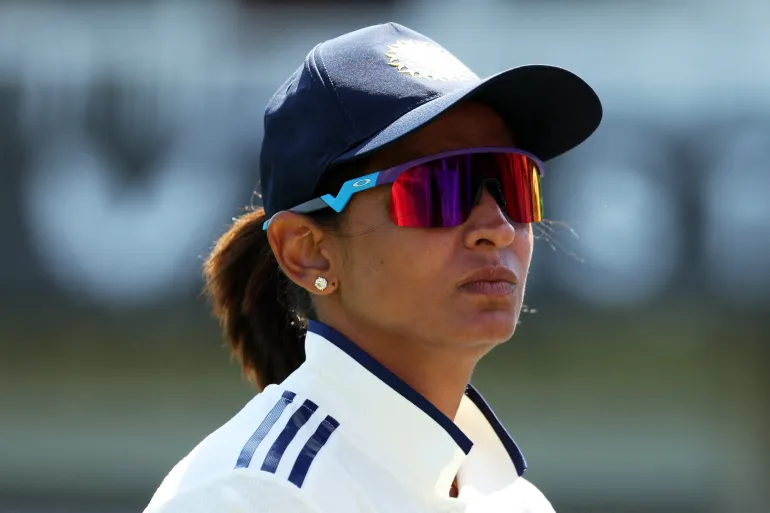
Harmanpreet Kaur has stepped down as the all-format captain of the Indian women’s cricket team, concluding a decade-long leadership tenure defined by a shift toward aggressive, modern cricket. The 37-year-old announced her decision on October 6, 2026, via an Instagram post, describing it as a difficult choice while confirming she will continue to represent India as a player. Her departure follows high-level discussions regarding the future of the sport involving herself, deputy Smriti Mandhana, and the head coach.
Kaur, the most capped player in the history of Indian women’s cricket, leaves a significant legacy. Her leadership record included five Test matches, 51 ODIs, and 155 T20Is, boasting win percentages of 80 percent, 58.82 percent, and 59.35 percent respectively. Her final assignments as leader were highly successful, securing an Asia Cup trophy in the United Arab Emirates in late September 2026, followed by a gold medal performance at the Asian Games in Japan. Where India stepped on the podium as gold medallists, the Punjab-born top-order batter’s last game in charge was the recently concluded Asian Games in Japan.
The defining achievement of her captaincy occurred in November 2025, when she led India to its first-ever ODI World Cup title. This victory cemented a transformation in Indian cricket, moving the team past years of frustration against traditional giants like Australia and England. Eight years after her iconic 171-run innings knocked Australia out of the 2017 World Cup, Kaur contributed 89 runs in the 2025 semifinal, supported by Jemimah Rodrigues’s 127 not out, to eliminate the same opponents en route to the championship. The biggest question centred on an elusive maiden World Cup title and India’s failure to cross the final hurdle at major tournaments. A year after Kaur was appointed captain in the Twenty20 format and earmarked to take over the reins across all formats of the game, their breakout run at the one-day international (ODI) World Cup ended in heartbreak in 2017. The what-if was finally buried, in November 2025. Kaur’s India beat then-defending champions Australia in a sensational come-from-behind World Cup semifinal before overcoming a resolute South Africa in the final to be crowned world champions for the first time – in front of adoring home fans. The medals and trophies tell one part of Kaur’s tale as captain.
Kaur took the helm of the T20I side in 2016 following a disappointing home World Cup performance. Her influence on the team’s philosophy was profound; she encouraged a brand of power-hitting that challenged long-held domestic conventions. Reflecting on the 2017 World Cup runner-up finish, she noted that her father’s friends had previously discouraged her from attempting big shots, questioning how women could clear the rope. Watching that tournament changed those perceptions, as she and her teammates demonstrated they could compete with the world’s best.
Former Australian captain Alyssa Healy praised Kaur’s impact in 2023, remarking on how she ushered a new generation of Indian women into the modern game. This evolution was visible throughout her career, including India’s first T20 World Cup final appearance in 2020 and a silver medal at the 2022 Commonwealth Games. Even during setbacks, such as a 2023 T20 World Cup semifinal loss, her role in shifting the team’s culture remained a focal point.
Throughout her tenure, Kaur was instrumental in backing young talent. She famously supported an emerging Shafali Verma during the 2020 T20 World Cup. Following the captaincy announcement, Verma paid tribute to her leader, thanking Kaur for guiding her since her debut and helping shape the current squad. As the team pivots toward future goals, including the inaugural ICC Women’s Champions Trophy in 2027 and the 2028 Los Angeles Olympics, Smriti Mandhana has been appointed as the new captain.
Reflecting on her growth as a leader, Kaur acknowledged that the role demanded personal sacrifices and tough calls that were not always understood by outsiders. She highlighted that she moved from being an emotionally volatile player to a more composed captain, noting that this internal change eventually translated into tangible success for the team. Her focus on athleticism and fitness—particularly after struggles against England and Australia in 2018—helped build a squad capable of maintaining intensity across long periods of play. Not always easy, and sometimes came at a personal cost.”, decisions that were not always understood.